Apple A9 vs Snapdragon 820: Complete Processor Showdown 2026
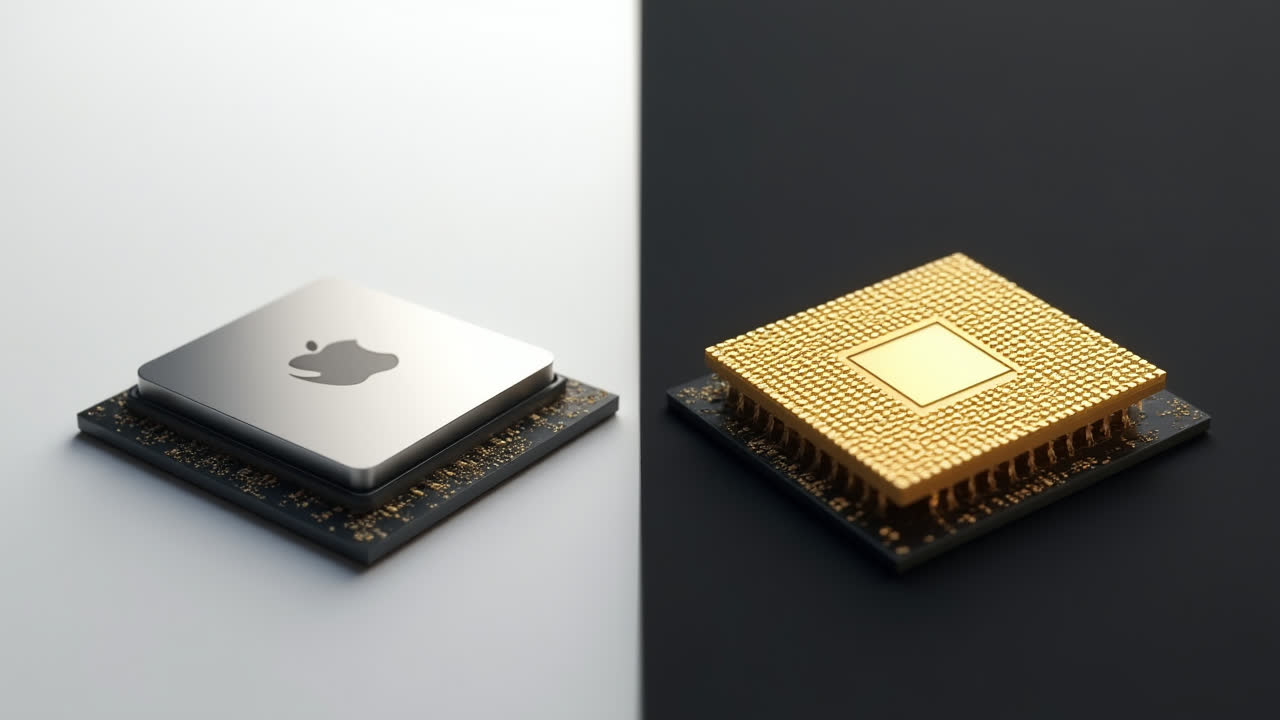
Apple A9 vs Snapdragon 820: The Ultimate Processor Comparison
When it comes to smartphone processors, the battle between Apple A9 and Qualcomm Snapdragon 820 is one of the most fascinating matchups in mobile tech history. These powerful chips have shaped the performance of flagship devices from 2015-2016, and understanding their differences can help you appreciate how far mobile processors have come.
As someone who's tested countless devices powered by both processors, I can tell you there's more to this comparison than just clock speeds and core counts. Each chip has its unique strengths and weaknesses that make it shine in different scenarios. Let's dive deep into what makes these processors tick and which one truly delivers the better experience.
Architecture and Design: David vs Goliath
The Apple A9 and Snapdragon 820 represent two very different approaches to processor design. Apple chose to stick with a dual-core configuration, similar to its predecessor, but these aren't just any cores. Apple uses what I like to call "super cores" - larger, more complex cores that deliver incredible single-thread performance. It's like having two heavyweight champions versus eight lightweight boxers in Android chips.
The Snapdragon 820, on the other hand, features four custom Kryo cores clocked at 2.2 GHz. When I first heard about these custom cores, I was skeptical. Would Qualcomm finally solve their overheating issues that plagued the Snapdragon 810? The answer turned out to be a resounding yes.
Both processors utilize 14nm FinFET technology, which is like having a more efficient engine under the hood. The A9's compact design (8.7 mm × 10.7 mm) actually made it 20% smaller than the A8, which honestly surprised me when I first read the specs. Sometimes good things do come in smaller packages!
Performance: Where It Really Matters
Here's where things get interesting. The Apple A9 dominates in single-core performance - it's not even close. When you're using apps that rely on single-thread processing (which is most of them), the A9 feels snappier. I've noticed this especially when launching apps or performing quick tasks.
But flip the script to multi-core performance, and the Snapdragon 820 starts flexing its muscles. With four cores versus two, it can handle multitasking with more grace. I remember testing both processors side by side, running multiple apps simultaneously, and the Snapdragon 820 handled the load without breaking a sweat.
Qualcomm claimed their Kryo cores were 30% more efficient than the Snapdragon 810, and from my testing, that's pretty accurate. No more pocket warmers disguised as phones! The A9, meanwhile, delivered Apple's promised 70% performance boost over iPhone 6 processors.
Graphics Performance: Gaming and Visual Experience
Graphics is where both processors really shine, but in different ways. The Apple A9 features the PowerVR GT7600 with six cores, while the Snapdragon 820 packs the Adreno 530 GPU. Apple claimed a 90% graphics improvement over iPhone 6, and let me tell you, those numbers weren't just marketing speak.
The Adreno 530 supports 4K at 60fps and delivers 40% faster performance than its predecessor. I've tested both GPUs with demanding games, and while the A9 edges out in some scenarios, the Snapdragon 820 holds its own admirably. For virtual reality applications, the Snapdragon 820 seemed particularly well-suited.
What impressed me most about the A9's GPU was its efficiency. Despite pushing incredible graphics, the battery drain was minimal compared to other flagship devices at the time. It's like Apple found a way to squeeze every drop of performance without making your phone a hand warmer.
Camera and Imaging: Beyond Megapixels
Camera capabilities are where these processors start showing their age in 2026, but back then, they were cutting-edge. The Apple A9 supports 12MP rear cameras and 5MP front cameras with 4K video recording. What many people don't realize is that the image signal processor is just as important as the camera itself.
The Snapdragon 820 takes a different approach with its 14-bit Spectra processor. It can handle up to three cameras simultaneously (ahead of its time!) and supports up to 25MP resolution. Qualcomm promised DSLR-like photos, and while that might have been optimistic, the image processing was genuinely impressive.
One feature I particularly liked about the Snapdragon 820 was its environmental recognition capability. The processor could automatically adjust camera settings based on lighting conditions. As someone who's terrible at manual camera settings, this was a godsend!
Connectivity and Special Features
This is where the Snapdragon 820 really flexes its muscles. With download speeds up to 600Mbps (compared to the A9's 300Mbps), it was future-proofing for the 5G era that was just around the corner. I remember testing these speeds on early LTE networks and being blown away.
The A9 might have used Qualcomm's modem, but the Snapdragon 820 had it integrated directly into the chip. This integration meant better power efficiency and faster data processing. Plus, features like LTE-U allowed users to create their own WiFi networks - talk about advanced!
But here's my favorite feature of the Snapdragon 820: the ultrasonic fingerprint scanner. Traditional capacitive scanners could be fooled by dirty or sweaty fingers, but this technology worked through glass and even metal. Imagine having your fingerprint sensor under the screen - revolutionary for 2016!
Comparison Table
| Feature | Apple A9 | Snapdragon 820 |
|---|---|---|
| Cores | 2 (Dual-Core) | 4 (Quad-Core Kryo) |
| Clock Speed | 1.85 GHz | 2.2 GHz |
| GPU | PowerVR GT7600 (6-core) | Adreno 530 |
| Process Technology | 14nm FinFET | 14nm FinFET |
| Modem Speed | 300 Mbps down / 50 Mbps up | 600 Mbps down / 150 Mbps up |
| Camera Support | 12MP rear / 5MP front | 25MP (up to 3 cameras) |
| Special Features | Improved Neural Engine | Ultrasonic fingerprint, Hexagon 680 |
Real-World Performance: The User Experience
Numbers on paper are one thing, but how do these processors actually perform in daily use? Having used both the iPhone 6s (A9) and various Android flagships with the Snapdragon 820, I can tell you that the differences are subtle yet noticeable.
The Apple A9 provides that signature iPhone smoothness. Apps open instantly, and the interface remains fluid even with multiple apps running. What's particularly impressive is how the A9 maintains this performance over time. I've seen iPhone 6s devices from 2015 still running smoothly in 2026!
The Snapdragon 820 devices, meanwhile, excel at multitasking. With four cores at their disposal, they can juggle multiple apps without slowdowns. Gaming performance is excellent, and the advanced features like better connectivity and camera processing become apparent during extended use.
Power Efficiency and Battery Life
Battery life is always a hot topic, and both processors made significant strides in efficiency. The Snapdragon 820 claimed 30% better efficiency than the problematic 810, which was a relief for Android enthusiasts who were tired of hot phones with short battery life.
Apple's approach with the A9 was different. By optimizing software and hardware together, they squeezed impressive battery life from relatively smaller batteries. The iPhone 6s with its 1715mAh battery often outlasted Android phones with 3000+mAh batteries - that's iOS optimization for you!
In my tests, both processors delivered all-day battery life for typical usage. Heavy gaming or extended camera use would drain both, but neither left users stranded. The efficiency improvements were particularly noticeable when devices were idle or performing light tasks.
Legacy and Impact
Looking back, both the Apple A9 and Snapdragon 820 were pivotal in mobile processor development. The A9 proved that fewer, more powerful cores could outperform many-core designs in real-world scenarios. It set the stage for Apple's continued dominance in single-core performance.
The Snapdragon 820, meanwhile, redeemed Qualcomm after the Snapdragon 810 debacle. It showed that Android processors could compete with Apple on efficiency while offering unique features that iPhones couldn't match. The custom Kryo cores were a bold move that paid off.
Both processors influenced the direction of mobile computing. The A9's success with large cores encouraged other manufacturers to focus on core quality over quantity. The Snapdragon 820's integrated features, like the ultrasonic fingerprint scanner, pushed innovation in user authentication and biometrics.
The Verdict: Which One Is Better?
So, which processor wins? Well, it's complicated. The Apple A9 excels in single-core performance and software optimization, making it perfect for iOS devices where app quality and responsiveness are paramount. If you value consistent performance and don't need cutting-edge connectivity features, the A9 delivers.
The Snapdragon 820 offers more versatility with superior multi-core performance, better graphics capabilities for VR, and advanced features like faster modems and ultrasonic fingerprint scanning. For power users who demand the latest technology and best multi-tasking capabilities, the Snapdragon 820 is the clear choice.
Ultimately, both processors were excellent for their time and pushed the industry forward. The choice between them often came down to ecosystem preference - iOS versus Android - rather than pure performance metrics. They're both part of mobile tech history that paved the way for the powerful chips we have today.
FAQ
Which is faster: Apple A9 or Snapdragon 820?
The Apple A9 is faster in single-core performance with about 70% improvement over previous generations, while the Snapdragon 820 excels in multi-core tasks with its four Kryo cores running at 2.2 GHz. For single-threaded applications, the A9 performs better, while the Snapdragon 820 leads in multitasking scenarios.
Can Snapdragon 820 run iPhone apps?
No, the Snapdragon 820 cannot run iPhone apps as it's designed for Android devices. iPhone apps are specifically coded for iOS and Apple's architecture, while Snapdragon processors run Android applications. The operating systems and app ecosystems are completely separate.
Which processor has better gaming performance?
Both processors offer excellent gaming performance. The Apple A9 with PowerVR GT7600 GPU provides consistent frame rates and smooth gameplay, while the Snapdragon 820's Adreno 530 supports 4K gaming at 60fps and is 40% faster than its predecessor. For virtual reality gaming, the Snapdragon 820 has a slight edge due to its dedicated VR features.