Biodegradable Polymers: The Future of Sustainable Materials
What Are Biodegradable Polymers?
In our plastic-dominated world, biodegradable polymers are emerging as a crucial solution to mounting environmental concerns. But what exactly are these materials? Before diving into biodegradable options, let's quickly understand polymers themselves.
Polymers are substances composed of large molecules or molecular chains. They're everywhere around us - from the synthetic materials in your shopping bags to the natural substances in your own body. Surprisingly, all plants and animals contain polymers as their building blocks. Proteins, DNA, and cellulose (a plant protein) are natural polymers found in living organisms.
While natural polymers have existed since life began, synthetic polymers have dominated modern manufacturing. Familiar examples include polyethylene (plastic bags), PVC (pipes), and synthetic rubber. The trouble with these conventional polymers? They're typically petroleum-based products designed for short-term use but can persist in the environment for centuries - sometimes 100-1000 years before fully degrading!
This disconnect between brief usefulness and long-lasting environmental impact creates serious issues like soil degradation, water pollution, and toxic gas emissions. Haven't we all seen disturbing images of plastic-choked oceans or landfills overflowing with non-decomposing waste?
Understanding Biodegradable Polymer Degradation
What makes biodegradable polymers special is their ability to break down relatively quickly compared to conventional plastics. When I first learned about polymer degradation, I was fascinated by the process. All polymers technically degrade over time - losing mass, strength, and molecular weight. The key difference is the timeframe and end products.
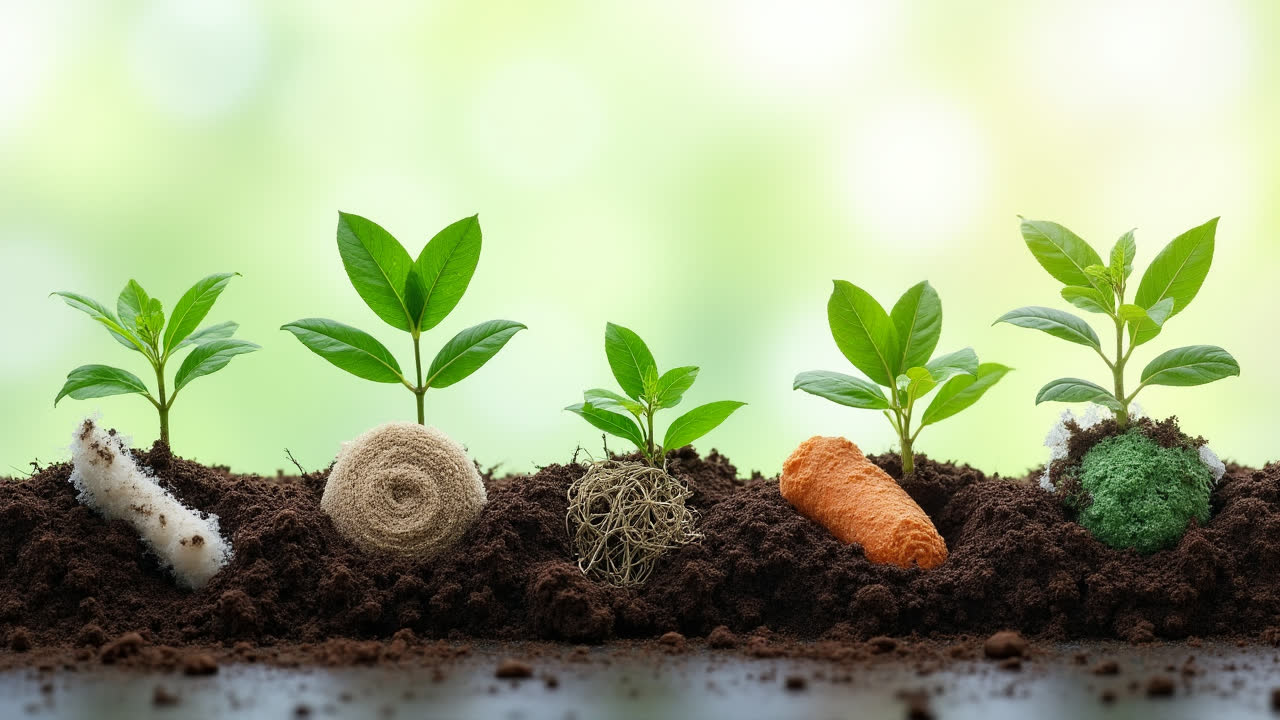
Biodegradable polymers don't just decompose faster; they break down into environmentally friendly compounds. These include carbon dioxide, water, methane, and various inorganic compounds or biomass. The beauty of this process is that these byproducts are easily consumed by microorganisms in the environment, completing a natural cycle instead of leaving persistent pollutants.
I've often wondered why we didn't switch to these materials sooner. The science behind biodegradation is quite elegant - specialized enzymes from microorganisms break the polymer chains into smaller fragments. These fragments are then metabolized by bacteria and fungi in the soil or water, returning the elements to nature. It's like watching nature's recycling system at work!
The speed of biodegradation depends on several factors - polymer composition, environmental conditions like temperature and humidity, and the presence of appropriate microorganisms. Some biodegradable polymers can completely break down in just a few months under optimal conditions, while traditional plastics would barely have begun to deteriorate.
Types of Biodegradable Polymers
Biodegradable polymers fall into two main categories based on how they're produced. Let me walk you through each type - I find the diversity quite remarkable!
Agro-Polymers: Nature's Own Solution
Agro-polymers come directly from biomass products and can be further divided into:
- Polysaccharides: These complex carbohydrates are the most abundant macromolecules in the biosphere. Starch extracted from cereals and tubers is the most common example. Other types include chitin, chitosan, and pectin. I've seen incredible innovations using modified starch for packaging materials that dissolve harmlessly in water.
- Proteins: Made from amino acids, proteins have the significant advantage of being renewable. They're widely used in the food industry but are gaining traction in other applications. Plant proteins include soy, corn, and wheat proteins, while animal proteins encompass casein, collagen, gelatin, and keratin. Bacterial proteins like lactate dehydrogenase, chymotrypsin, and fumarase also show promise.
Bio-Polyesters: Versatile and Adaptable
Bio-polyesters represent the second major category and can be produced through both living (biological) and non-living (synthetic) resources:
- Polymers from microbial production: These are synthesized by microorganisms. Polyhydroxyalkanoates (PHAs) are fascinating examples - they're actually produced by bacteria as energy storage granules inside their cells. When extracted, they become valuable biodegradable materials.
- Polymers from conventional synthesis of bio-derived monomers: These combine biological starting materials with chemical processes. For instance, lactic acid can be fermented by bacteria from carbohydrates, then polymerized into polylactic acid (PLA) - a versatile bioplastic.
- Polymers from oil products: Some biodegradable polymers still begin with petroleum resources but are designed to break down more readily. Polycaprolactone and various aliphatic and aromatic co-polyesters fall into this category. These materials tend to be soft at room temperature and find applications where flexibility is needed.
Popular Examples of Biodegradable Polymers
Let's explore some specific biodegradable polymers that are making waves in various industries. I've watched these materials transform from laboratory curiosities to commercial successes over recent years.
Polylactic Acid (PLA)
Lactic acid is perhaps the most widely recognized building block for biopolymers. It exists in two forms: L-lactic acid and D-lactic acid. What I find particularly interesting is how versatile its production methods are. It can be created either through biological fermentation (using Lactobacillus bacteria or fungi to process carbohydrates) or through chemical synthesis.
Our bodies actually produce lactic acid naturally during intense exercise - that burning sensation in tired muscles? That's lactic acid! Industrially, PLA has become extremely popular for biodegradable packaging, disposable tableware, and even 3D printing filament. Its clear appearance and food-safe properties make it an excellent alternative to conventional plastics.
Polyhydroxyalkanoates (PHAs)
PHAs represent a fascinating family of biopolymers synthesized by many bacteria as intracellular carbon and energy storage. Imagine bacteria producing tiny plastic granules inside themselves as energy reserves! When extracted and processed, these natural polymers offer excellent biodegradability while maintaining properties similar to conventional plastics.
The packaging industry has embraced PHAs for single-use items, while the medical field values their biocompatibility for various applications. I've been particularly impressed by how these materials break down in marine environments - offering potential solutions for ocean plastic pollution.
Starch-Based Blends
Starch-based biodegradable polymers utilize one of the most abundant natural polymers on Earth. Typically, these materials blend starch with other biodegradable polymers to improve processing and mechanical properties. The resulting materials find applications in packaging films, disposable bags, and agricultural mulch films.
What impresses me about starch-based blends is their relatively low cost and the fact that they're derived from renewable agricultural resources. They represent one of the most economically viable paths toward replacing conventional plastics at scale.
Biodegradable Polymers in Medical Applications
The medical field has embraced biodegradable polymers for their unique ability to perform their function and then safely disappear from the body. I've always been amazed by how something as simple as a polymer can be engineered to such precise specifications for healing.
Unlike general applications, medical uses demand additional considerations: non-toxicity, sterilizability, effectiveness, and biocompatibility. Finding materials that check all these boxes is challenging, but collaborative efforts between scientists, clinicians, and engineers have identified several promising options.
Surgical Applications
Biodegradable polymers excel in surgical settings, where their bioabsorbable properties prove invaluable. Liquid polymers can be applied to damaged tissue, where they gel immediately to stop bleeding. As the tissue heals, the polymer gradually degrades and absorbs into the body. Similar principles apply to biodegradable pins, screws, and wires used for bone fixation.
I've spoken with orthopedic surgeons who praise these materials for eliminating the need for second surgeries to remove metal hardware. The body simply absorbs the biodegradable implants over time, reducing patient trauma and healthcare costs.
Drug Delivery Systems
Biodegradable polymers have revolutionized drug delivery through both invasive and non-invasive methods. These polymers function as transporters, delivering medication to targeted body areas before harmlessly absorbing into the system. The simplest example is pill coatings, which protect medicine until it reaches the appropriate part of the digestive system.
More advanced applications include time-release capsules that gradually deliver medication, implantable drug-eluting devices, and targeted delivery systems that release therapeutics only at specific sites in the body. The precision and control offered by these systems have transformed treatments for chronic conditions.
Tissue Engineering
One of the most exciting frontiers for biodegradable polymers is tissue engineering. These materials can serve as scaffolds that support cell growth while gradually degrading as natural tissue replaces them. Applications range from skin grafts and wound healing materials to more complex structures for bone, cartilage, and even nerve regeneration.
The future potential seems limitless - researchers are working on increasingly sophisticated biodegradable polymers that can guide tissue growth with precise mechanical and chemical properties, potentially revolutionizing regenerative medicine.
Comparing Biodegradable and Conventional Polymers
| Comparison Point | Biodegradable Polymers | Conventional Polymers |
|---|---|---|
| Degradation Time | Months to a few years | 100-1000 years |
| Source Materials | Biomass, microorganisms, or bio-derived monomers | Primarily petroleum-based |
| Environmental Impact | Low; breaks down into eco-friendly compounds | High; persistent pollution, microplastics |
| Production Costs | Generally higher (decreasing with scale) | Lower due to established infrastructure |
| Mechanical Properties | Variable; improving but may have limitations | Well-established, consistent properties |
| Renewability | Often made from renewable resources | Made from finite fossil fuels |
| Processing Requirements | May require specialized equipment | Standard equipment widely available |
| Biocompatibility | Generally higher; suitable for medical applications | Limited; often not suitable for implantation |
Environmental Benefits and Challenges
The adoption of biodegradable polymers offers significant environmental advantages, but isn't without challenges. When I consider the big picture, the potential for positive impact is enormous.
The primary benefit is obvious - reduced persistent waste. Traditional plastics accumulate in landfills, oceans, and ecosystems worldwide. Biodegradable alternatives offer a way to maintain the convenience of polymers without the centuries-long environmental legacy. Additionally, many biodegradable polymers derive from renewable resources, reducing dependence on fossil fuels.
However, challenges remain. Production costs for biodegradable polymers typically exceed those of conventional plastics, though this gap is narrowing as technologies improve and scale increases. There's also the matter of proper disposal - many biodegradable polymers require specific conditions (industrial composting facilities) to break down efficiently. Without appropriate infrastructure, they may not degrade much faster than conventional plastics in landfills.
Energy consumption during production presents another consideration. Sometimes manufacturing biodegradable alternatives requires more energy than conventional plastics, potentially offsetting some environmental benefits. The industry is actively working to optimize these processes and improve efficiency.
Despite these challenges, I remain optimistic about the future of biodegradable polymers. As technologies advance and economies of scale take effect, these materials will likely become increasingly competitive with conventional plastics while offering superior environmental performance.
The Future of Biodegradable Polymers
Where are biodegradable polymers headed? The trajectory looks promising on multiple fronts. Research and development continue to enhance material properties, reduce costs, and expand applications. I expect we'll see biodegradable options becoming increasingly mainstream across industries in the coming years.
One exciting development is the integration of nanotechnology with biodegradable polymers, creating composite materials with enhanced strength, barrier properties, and functionality. These improvements address some of the performance limitations that have historically hindered wider adoption.
Policy trends also favor biodegradable alternatives. Many regions are implementing bans or taxes on single-use plastics, creating market opportunities for biodegradable substitutes. Government incentives for sustainable materials further accelerate the transition away from conventional plastics.
The circular bioeconomy concept is gaining traction, where biodegradable polymers fit perfectly into closed-loop systems. Rather than the linear "take-make-dispose" model of traditional plastics, biodegradable polymers can complete a cycle where materials return to the environment as nutrients rather than pollutants.
Consumer awareness continues to rise as well. People increasingly recognize the environmental implications of their purchasing decisions and seek out more sustainable options. This market pressure drives innovation and adoption across the value chain.
While challenges remain, the momentum behind biodegradable polymers appears unstoppable. The combination of environmental necessity, technological advancement, and changing consumer preferences creates a powerful force for transformation in how we produce, use, and dispose of polymeric materials.
Frequently Asked Questions About Biodegradable Polymers
Are biodegradable polymers completely environmentally friendly?
While biodegradable polymers offer significant environmental advantages over conventional plastics, they aren't without environmental impacts. Their production still requires energy and resources. Additionally, many biodegradable polymers need specific conditions (like industrial composting facilities) to break down efficiently. If disposed of improperly, they may not degrade much faster than regular plastics. However, when properly managed through their lifecycle, biodegradable polymers represent a substantially more environmentally friendly alternative to conventional plastics, especially for single-use applications.
How long does it take for biodegradable polymers to decompose?
The decomposition time for biodegradable polymers varies widely depending on several factors: the specific type of polymer, environmental conditions (temperature, humidity, presence of microorganisms), and whether they're in an industrial composting facility or natural environment. Some biodegradable polymers can break down in as little as 3-6 months under optimal conditions, while others might take 2-5 years. This is still dramatically faster than conventional plastics, which can persist for hundreds of years. For the fastest decomposition, biodegradable polymers should be processed in commercial composting facilities that maintain ideal conditions for biodegradation.
Can biodegradable polymers replace all conventional plastics?
Currently, biodegradable polymers cannot replace all conventional plastics applications, though their potential continues to expand. Biodegradable polymers excel in single-use applications like packaging, disposable tableware, and agricultural films. However, they still face challenges in applications requiring long-term durability, high heat resistance, or specific mechanical properties. For instance, durable goods, automotive components, and critical medical devices often still require conventional polymers. Additionally, cost remains a barrier in price-sensitive markets. As technology advances and economies of scale improve, biodegradable polymers will likely become suitable for an increasingly broader range of applications, but complete replacement of all conventional plastics remains a longer-term goal rather than an immediate possibility.
Conclusion
Biodegradable polymers represent a critical innovation in our quest for more sustainable materials. From their rapid decomposition into environmentally friendly compounds to their diverse applications across industries, these materials offer promising alternatives to conventional plastics that have dominated for decades.
The variety of biodegradable options - from naturally derived agro-polymers to engineered bio-polyesters - provides flexibility to meet different needs while reducing environmental impact. Their special role in medical applications demonstrates how these materials can not only prevent pollution but actively contribute to human health and wellbeing.
While challenges remain in terms of cost, performance, and infrastructure for proper disposal, the trajectory is clear. As research continues, production scales up, and awareness grows, biodegradable polymers will play an increasingly important role in creating a more circular and sustainable materials economy.
The next time you encounter a biodegradable product - whether it's a compostable coffee cup, dissolving sutures, or plant-based packaging - you'll understand that it represents not just a material, but a different approach to how we produce, use, and dispose of the polymers that have become integral to modern life.