What Makes Black Mold and Mildew Different?
Here's the thing about black mold and mildew: they're both fungi, but that's kind of like saying lions and house cats are both felines. Sure, they're related, but the similarities end there. The main distinction lies in their appearance, health effects, and how they damage your property.
Both love warm, moist environments – which is why you'll often find them lurking in bathrooms, basements, and under kitchen sinks. They're sneaky little devils that spread easily and can be surprisingly tough to remove once they've set up shop.
The Visual Differences: Black vs Gray
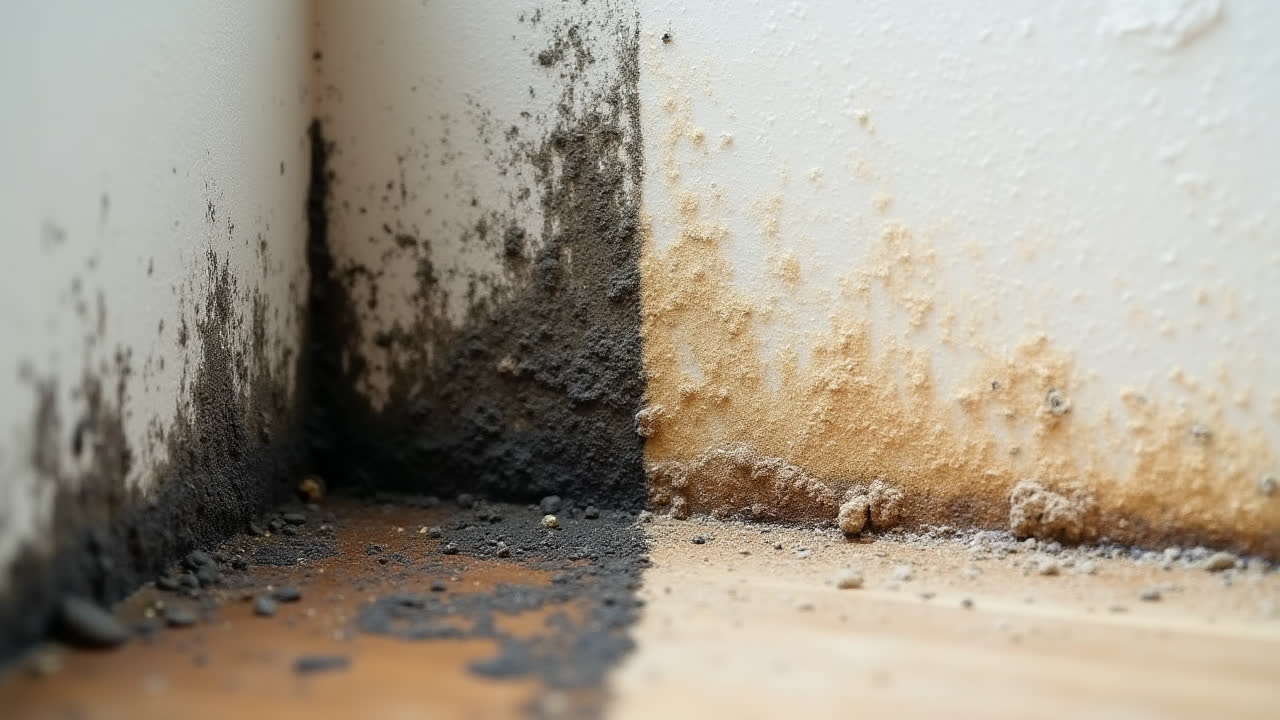
Let's talk colors. Black mold (Stachybotrys chartarum) lives up to its name with a distinctive greenish-black appearance that can look almost oily or slimy. On the flip side, mildew shows up as a lighter gray or whitish coating. Think of it like this: black mold is that stubborn stain you can't scrub away, while mildew is more like the surface dust you can easily wipe off.
The texture is another giveaway. Black mold tends to grow underneath surfaces, creating that fuzzy or slimy texture that makes your skin crawl. Mildew, meanwhile, stays on the surface and has a fluffy or powdery feeling – not exactly pleasant, but certainly less ominous than its darker cousin.
Health Impacts: From Sniffles to Serious Issues
Now, this is where things get serious. Both can affect your health, but black mold is the real villain here. It produces mycotoxins that can cause respiratory issues, heart problems, joint pain, migraines, fatigue, and even depression. I've known people who dealt with unexplained fatigue for months, only to discover it was caused by hidden black mold in their homes.
Mildew is less of a health hazard, mostly affecting people with asthma or allergies. You might experience some sneezing, congestion, or skin irritation, but it's not typically life-threatening. However, don't underestimate its ability to make life uncomfortable!
Where They Grow: The Hunt for Moisture
Black mold is picky about its real estate. It prefers cellulose-rich materials like wood, paper, and drywall – basically, the stuff your house is made of! It grows underneath surfaces, which is why it can cause complete structural damage before you even notice it's there.
Mildew is less discriminating. It'll happily grow on living plants, decaying organic matter, wood, paper, leather – you name it. The good news? It stays on the surface, so it's easier to spot and deals less damage to your belongings.
| Feature | Black Mold | Mildew |
|---|---|---|
| Color | Greenish-black | Gray or white |
| Texture | Fuzzy or slimy | Fluffy or powdery |
| Growth Pattern | Under surfaces | On surfaces |
| Spread | Large infestations | Patches |
| Health Effects | Severe respiratory illness, fatigue, depression | Asthma, allergies |
| Property Damage | Complete destruction of materials | Minor surface damage |
| Removal Difficulty | Professional help needed | Can clean with special cleaners |
| Scientific Name | Stachybotrys chartarum | Various species in Erysiphales order |
Removal Methods: DIY vs Professional Help
Here's where I learned my lesson the hard way. For mildew, you can usually tackle it yourself with special cleaners and good old-fashioned elbow grease. A scrubbing brush and the right product will often do the trick.
But black mold? That's a different ballgame entirely. You'll likely need professional help, especially for large infestations. Professionals have the right equipment, protective gear, and knowledge to remove it safely without spreading spores throughout your home.
Prevention Tips: Keep Your Home Fungus-Free
The best defense against both black mold and mildew is prevention. Here's what works:
- Keep humidity levels below 50% in your home
- Fix water leaks immediately – even small ones
- Ensure proper ventilation in bathrooms and kitchens
- Use dehumidifiers in damp areas
- Clean and dry wet areas within 24-48 hours
- Improve air circulation with fans
I've found that being proactive saves a lot of headaches (and money) down the road. Regular inspections of areas prone to moisture can help you catch problems early before they become major issues.
Identifying the Problem: When to Call the Experts
Sometimes, even with this information, it can be tricky to tell them apart. If you notice any mold growth larger than 10 square feet, it's definitely time to call in the professionals. They can perform proper testing to determine exactly what you're dealing with.
Better safe than sorry, right? And trust me, knowing for sure what type of fungus is invading your home makes all the difference in how you address the problem.