Cactus vs Euphorbia: 7 Key Differences You Need to Know
Have you ever walked through a succulent garden and wondered, "Is that a cactus or a euphorbia?" You're not alone! Many plant enthusiasts find themselves confused between these two similar-looking plant species. Honestly, I've been there myself, and it took me years to really understand the subtle differences between cactus and euphorbia plants.
While both cacti and euphorbias share some similar characteristics like drought tolerance and spiny appearances, they belong to entirely different plant families. Cactaceae is the family of cacti, while euphorbias belong to the Euphorbiaceae family. These plants have evolved comparable features independently – what botanists call convergent evolution.
The desert environments where many species of both plants thrive have shaped their evolution, resulting in thick stems, reduced leaves, and protective spines. But here's the interesting part: when you know what to look for, distinguishing between them becomes surprisingly easy.
The Areole Difference: Nature's Signature
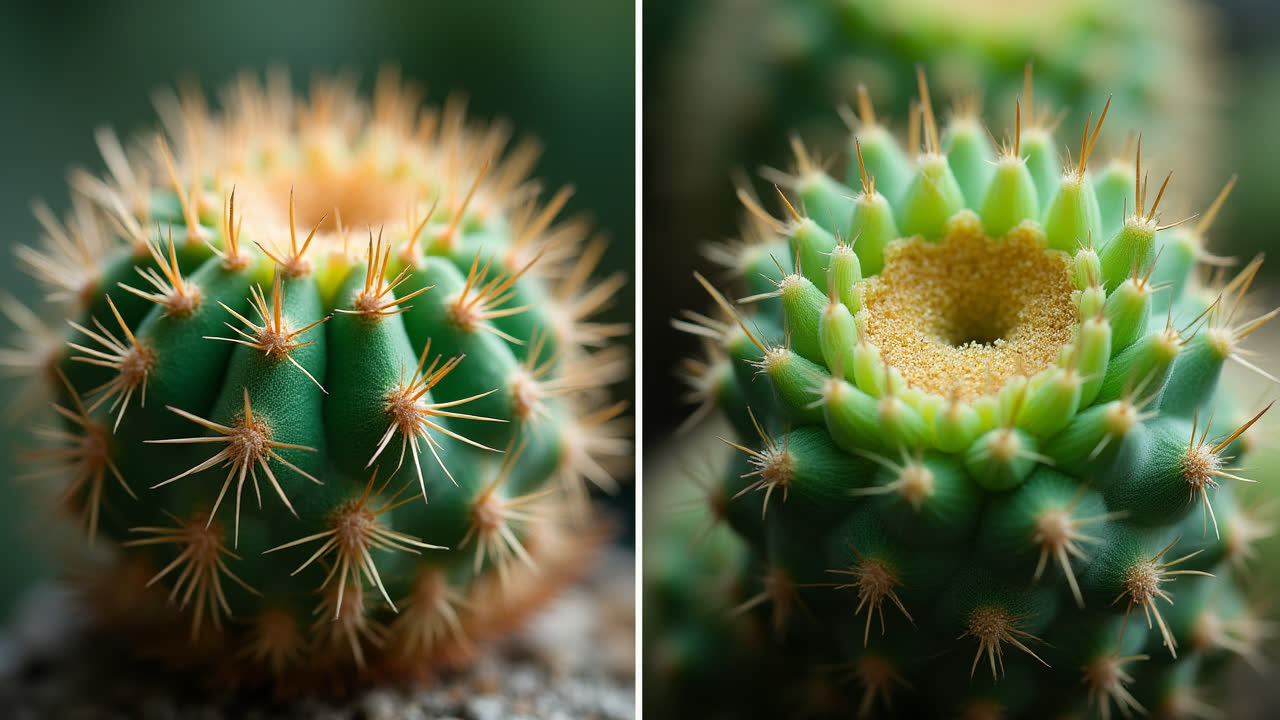
The most distinctive feature that separates cactus from euphorbia is the presence of areoles in cacti. Think of areoles as specialized structures unique to cacti – they're like little growth centers that appear as small dots or clusters on the plant's surface. I remember the first time my botany professor showed us this difference; it was like having a secret decoder ring for plant identification!
In cactus plants, these areoles serve as the birthplace for both spines and flowers. You'll find them arranged in neat patterns across the plant's surface. Euphorbia plants, on the other hand, completely lack these structures. Instead, their spines emerge directly from the stem tissue without any specialized growth points.
This difference might seem minor at first glance, but it's actually a fundamental distinction in plant morphology. When examining a suspected cactus, look for these tiny, often circular marks – if you see them, congratulations, you've found a true cactus!
Next time you visit a botanical garden, take a moment to observe this feature up close. It's fascinating how such a small detail can solve one of gardening's most common identification puzzles.
Understanding Spine Structure and Growth Patterns
The way cactus and euphorbia develop their protective spines tells an interesting evolutionary story. Cactus spines are actually highly modified leaves that have evolved to minimize water loss and protect against herbivores. These spines always grow from areoles, creating a distinctive pattern on the plant's surface.
Euphorbia spines, which are often called thorns, have a different origin. They develop as modified stems or branches that grow directly from the plant's epidermis. Here's something interesting: euphorbia thorns often appear in pairs or symmetrical arrangements, unlike cactus spines which can emerge in various patterns from their areoles.
I've noticed that euphorbia spines tend to be more rigid and less variable in their appearance, while cactus spines can range from tiny hairs to long needles. Some cactus species even have glochids – those sneaky little barbed spines that are notoriously difficult to remove from skin!
When handling these plants (with proper protection, of course), you might notice that euphorbia spines are often straighter and more uniform, while cactus spines can curve or twist in various directions.
Flower Power: Comparing Blooms
Nothing quite prepares you for the spectacular difference between cactus and euphorbia flowers. Cactus flowers are truly show-stoppers – they emerge from areoles and often feature vibrant colors, distinct petals, and clearly visible stamens. I've seen cactus blooms in every color imaginable, from brilliant reds to soft pastels.
Euphorbia flowers, however, tell a different story. They're highly modified structures called cyathia that often appear in yellow or greenish hues. Without petals or sepals, these flowers might seem less impressive at first. But trust me, their unique structure is quite remarkable when you examine it closely.
The specialized flower structure of euphorbias is actually an evolutionary adaptation that helps them attract specific pollinators. While they might not win any beauty contests compared to cactus blooms, they're perfectly designed for their ecosystem needs.
Here's a fun fact: some euphorbia species, like the popular poinsettia, are prized more for their colorful bracts than their actual flowers. Those red "petals" you see on a poinsettia? They're actually modified leaves!
The Leaf Question: To Have or Have Not
Most true cacti have completely lost their leaves through evolution. What we see as spines are actually modified leaves that serve as protection and reduce water loss. The thick, fleshy stem handles photosynthesis instead.
Euphorbia plants, though, often retain actual leaves. These can range from tiny scale-like structures to larger, more traditional leaves. Some desert euphorbias might have minimal or temporary leaves, but they're still fundamentally different from the modified structures found in cacti.
When identifying these plants, look closely at what appears to be foliage. Real leaves with veins and a flat structure indicate you're looking at a euphorbia. If you only see spines and thick stems, you've likely found a cactus.
This distinction becomes particularly important when caring for these plants, as their leaf structure (or lack thereof) affects their light and water requirements.
Sap: The Revealing Internal Difference
Here's where things get really interesting – and potentially dangerous. Euphorbia plants contain a milky white sap called latex that's toxic and can cause severe skin irritation. I learned this the hard way during my early gardening days when I accidentally broke a euphorbia stem without gloves.
Cactus sap, in contrast, is typically watery and clear. While some cactus species might cause minor irritation, they generally don't pose the same level of danger as euphorbia sap. This difference is crucial for gardeners and plant handlers to understand.
The toxic nature of euphorbia sap actually serves as a defense mechanism against herbivores. It's fascinating how plants develop such sophisticated protective strategies!
Always wear gloves when handling euphorbias, and be extra careful with pruning or propagation. The sap can cause temporary blindness if it gets in your eyes, so safety goggles aren't a bad idea either.
Comprehensive Comparison Table
| Feature | Cactus | Euphorbia |
|---|---|---|
| Growth Origin | Spines grow from areoles | Spines grow directly from stem |
| Flower Structure | Bright, distinct petals from areoles | Modified cyathia structure, usually yellow |
| Leaf Presence | No true leaves (spines are modified leaves) | Often have actual leaves |
| Sap Type | Watery, clear sap | Milky white latex (toxic) |
| Spine Pattern | Arranged from areoles, variable patterns | Often in pairs, directly from stem |
| Family | Cactaceae | Euphorbiaceae |
| Diversity | About 1,750 species | Over 2,000 species |
| Common Examples | Barrel cactus, prickly pear, San Pedro | Poinsettia, crown of thorns, spurge |
Common Identification Mistakes to Avoid
Even experienced gardeners sometimes confuse cactus and euphorbia species. Desert-dwelling euphorbias like Euphorbia ingens can look remarkably similar to columnar cacti at first glance. The key is knowing where to look and what features matter most.
I've noticed that new plant enthusiasts often focus too much on overall shape and not enough on the structural details. Remember, it's the small features – areoles, spine origin, and sap type – that reveal the true identity of these plants.
Another common error is assuming that all succulent plants with spines must be cacti. Euphorbias are just one example of many plant families that have developed cactus-like features independently. It's a reminder of nature's incredible ability to find similar solutions to environmental challenges.
When in doubt, take photos and consult with experienced gardeners or botanical resources. Online plant identification communities can be incredibly helpful for confirming your observations.
Care Considerations for Each Type
Understanding the difference between cactus and euphorbia isn't just academic – it affects how you care for these plants. Cacti generally prefer full sun and minimal watering, following a desert-adapted lifestyle.
Euphorbias, however, can have more varied care requirements depending on the species. While many are drought-tolerant, some prefer partial shade or more frequent watering than their cactus cousins.
The toxic sap of euphorbias also means extra precautions during pruning or repotting. Always wear protective gear and keep these plants away from children and pets. I keep a special pair of gardening gloves just for working with my euphorbias!
Both plant types benefit from well-draining soil, but euphorbias might tolerate slightly richer mixes than most cacti. Consider these differences when creating a care routine for your succulent collection.
The Evolution Story: Why They Look Similar
It's amazing how cactus and euphorbia developed similar features independently. This phenomenon, called convergent evolution, shows how environmental pressures can shape unrelated species in remarkably similar ways.
Both plant families faced challenges in arid environments: water conservation, protection from herbivores, and efficient photosynthesis. Their solutions – thick stems for water storage, spines for protection, and reduced leaf surface area – mirror each other closely.
What I find particularly fascinating is how these adaptations occurred on different continents. Most cacti are native to the Americas, while many euphorbias evolved in Africa and Madagascar. Yet they arrived at strikingly similar solutions to survive desert conditions.
This parallel evolution demonstrates the power of natural selection and how predictable certain adaptations can be when facing similar environmental challenges. It's nature's own experiment in finding the best design for desert survival!
Popular Species of Each Type
When exploring the world of cacti, you'll encounter iconic species like the saguaro (Carnegiea gigantea), which can live for centuries, or the golden barrel cactus (Echinocactus grusonii), popular in landscaping.
For euphorbias, the Christmas favorite poinsettia (Euphorbia pulcherrima) might surprise you – most people don't realize it belongs to the spurge family! Other notable species include the crown of thorns (Euphorbia milii) and the striking Euphorbia trigona.
Each species has its own unique characteristics, but they all share the fundamental family traits we've discussed. Exploring different varieties can be an exciting journey in plant identification and appreciation.
I particularly enjoy observing how each species has adapted to its specific habitat, whether it's the columnar growth of desert species or the compact forms of alpine varieties.
Cultivation and Conservation
Both cactus and euphorbia face conservation challenges in their native habitats. Habitat destruction, climate change, and illegal collecting threaten many species. Supporting ethical nurseries and propagating from existing plants helps preserve these remarkable species.
Growing these plants from seed or cuttings can be incredibly rewarding. However, remember that euphorbias require extra care due to their toxic sap, even during propagation.
Many botanical gardens maintain specialized succulent collections where you can study these plants up close. Visiting these collections has been invaluable for improving my identification skills over the years.
Supporting conservation efforts through responsible collecting and educating others about these fascinating plants helps ensure future generations can enjoy and study them too.
Frequently Asked Questions
How can I quickly identify if a plant is a cactus or euphorbia?
The fastest way to identify between cactus and euphorbia is to look for areoles - small dots or patches on the plant surface where spines and flowers grow. If you see areoles, you're looking at a cactus. If spines grow directly from the stem without areoles, it's likely a euphorbia. Be careful when examining euphorbias as their sap is toxic.
Are euphorbia plants poisonous to touch?
Euphorbia plants contain a milky white sap (latex) that is toxic and can cause severe skin irritation, burns, and temporary blindness if it gets in your eyes. Always wear gloves when handling euphorbias, especially when pruning or propagating. Keep these plants away from children and pets.
Can I use the same care routine for both cacti and euphorbias?
While both cacti and euphorbias are generally drought-tolerant, their care requirements can differ significantly. Most cacti prefer full sun and minimal water, while some euphorbias may need partial shade or more frequent watering. Always research the specific needs of your plant species, as care requirements vary within each family.
Conclusion
Understanding the differences between cactus and euphorbia opens up a fascinating world of plant biology and evolution. These two remarkable plant families have shown us how different species can develop similar solutions to survive harsh environments.
Whether you're a beginner gardener or an experienced plant enthusiast, recognizing these distinctions enhances your appreciation for these incredible survivors. Remember the key identifiers: areoles, spine origin, flower structure, and sap type.
Next time someone asks you about that spiny succulent in their garden, you'll be able to confidently identify whether it's a cactus or euphorbia. Happy plant identifying!

Related Posts