Chyle vs. Chyme: Understanding the Key Differences in Digestion
Chyle vs. Chyme: Understanding the Key Differences in Digestion
Have you ever wondered about all the different fluids floating around in your digestive system? Well, today we're diving into the difference between chyle and chyme - two crucial yet often confused digestive fluids. Trust me, once you understand these two, you'll never look at your digestive process the same way again!
What Exactly is Chyle?
Chyle is basically the milkshake of your digestive system - and I'm not just saying that because of its milky appearance! When your small intestine tackles fatty foods, it creates this specialized fluid that's part lymph fluid and part emulsified fat. It contains lymph, emulsified fats, and free fatty acids all mixed together.
You know how some foods just seem to turn creamy in your mouth? That's kinda what's happening with chyle in your intestines. The lymph vessels called lacteals grab onto this milky substance and transport it through your lymphatic system. What's really cool is that chyle contains these tiny fat globules called chylomicrons - basically little protein-coated droplets of fat.
Here's something interesting though - I've always found it fascinating how chyle travels through your body. After the lacteals pick it up from the small intestine, it journeys through wider lymph vessels until it reaches the thoracic duct. From there, it sneaks into your bloodstream via the left brachiocephalic vein. Pretty sneaky, right?
And What About Chyme?
Now, let's talk about chyme - which couldn't be more different from its milky cousin. When your stomach gets working on the food you've eaten, it creates this acidic paste that's anything but appetizing. Imagine a creamy mixture of partially digested food and gastric juice, with a pH so low (1-3) that it could probably dissolve your homework!
The main thing about chyme is its intense acidity. This super-low pH is what helps break down proteins in your food. Your stomach juices are mainly made up of hydrochloric acid and sodium chloride, plus some helpful enzymes like pepsinogen for protein digestion and gastric lipase for fat breakdown.
What's really happening here is a mechanical process too. Your stomach walls are churning and contracting, mixing that gastric juice with your food through what we call peristalsis. It's like having a built-in food processor, except way more sophisticated and... well, kind of gross when you think about it!
| Feature | Chyle | Chyme |
|---|---|---|
| Appearance | Milky fluid | Acidic paste |
| Production Site | Small intestine | Stomach |
| Main Components | Lymph, emulsified fats, chylomicrons | Gastric juice, partially digested food |
| pH Level | Neutral to slightly alkaline | Highly acidic (1-3) |
| Primary Function | Transport fats and fat-soluble vitamins | Chemical digestion of proteins |
| Transport System | Lymphatic system | Digestive tract |
| Absorption Vehicle | Lacteals (lymph vessels) | Passes into small intestine |
| Fat Content | High (contained in chylomicrons) | Low to moderate |
Key Differences at a Glance
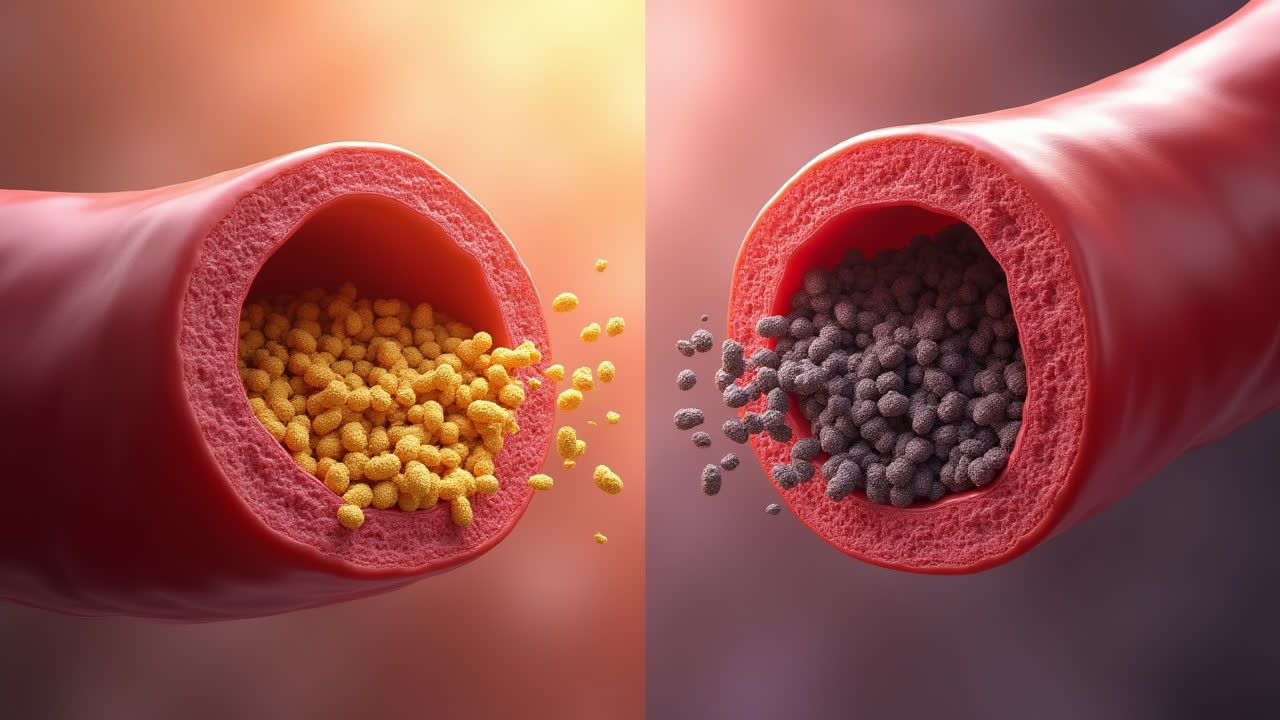
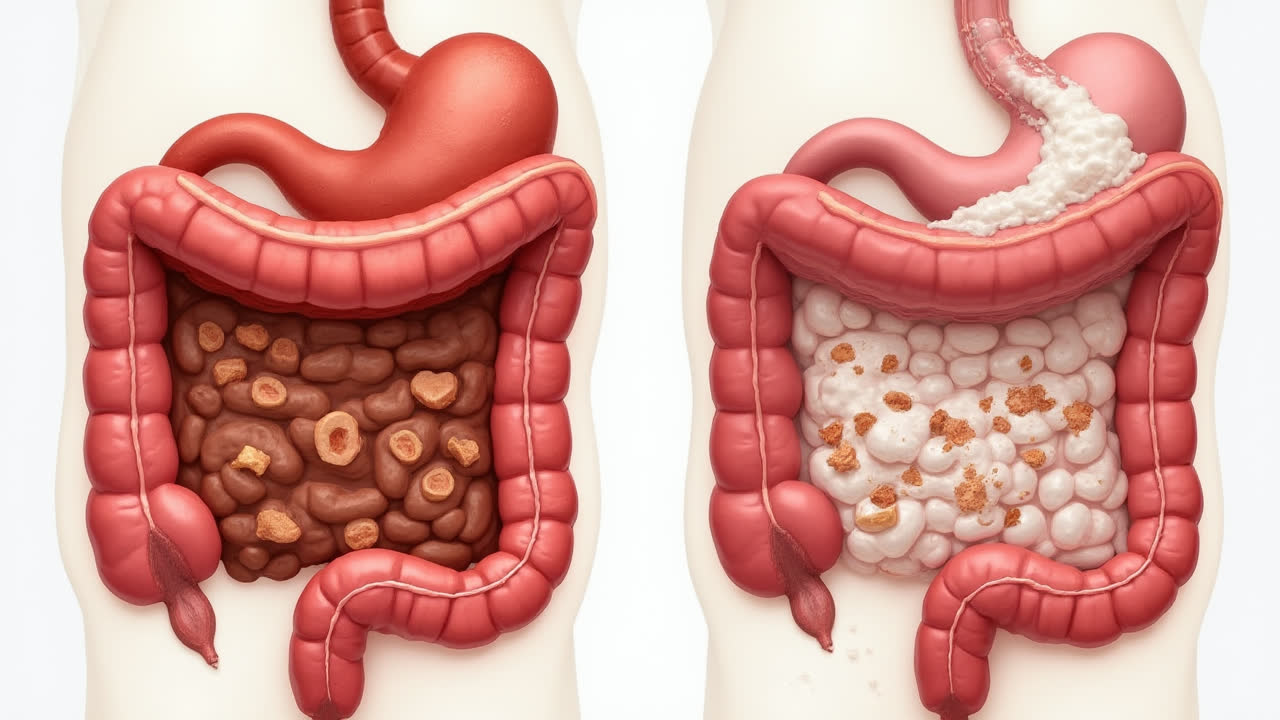
Let's talk properties first. While chyle is all about that milky look and fat content, chyme is essentially stomach acid with food chunks. The visual difference alone would make them easy to distinguish if you ever saw them side by side (though I hope you never have to!).
When it comes to production, it's all about location, location, location. Chyle develops in your small intestine when fatty foods meet digestive enzymes, while chyme forms in your stomach as gastric juices work their magic on everything you eat. One interesting thing I've learned is that the timing matters too - chyme formation happens earlier in the digestive process than chyle production.
The composition tells an interesting story too. Chyme has this potent mix of gastric juice and partially broken-down food, making it quite acidic. Chyle, on the other hand, contains lymph and emulsified fats, giving it that characteristic milky appearance that makes it stand out.
Here's where things get really cool - their destinations are completely different! Chyle takes a scenic route through the lymphatic system before joining the bloodstream, while chyme simply passes from the stomach into the small intestine. It's like they're on two different journeys entirely.
The Hidden Connection Between Both
Despite their differences, these two fluids are actually part of the same grand digestive performance. When you eat a meal, your stomach first creates chyme to break down proteins and begin the digestion process. As this acidic paste moves to the small intestine, certain nutrients - especially fats - get further processed into chyle.
One thing that always strikes me is how your body orchestrates this complex dance. The timing has to be just right - chyme's acidic nature prepares the food for the next stage of digestion, where fats can be emulsified and absorbed as chyle. It's like a relay race where chyme passes the baton to chyle!
The body's efficiency here is remarkable. While chyme is busy breaking down proteins and starting fat digestion in the stomach, the small intestine is already preparing to create chyle from the fat molecules. This parallel processing system ensures you get the maximum nutritional benefit from everything you eat.
Why This Matters for Your Health
Understanding the difference between chyle and chyme isn't just academic trivia - it's important for your overall digestive health. Problems with chyme production can lead to issues like acid reflux, ulcers, or poor protein digestion. On the flip side, issues with chyle formation can affect how well you absorb fats and fat-soluble vitamins (A, D, E, and K).
I once had a friend who struggled with fat malabsorption, and her issues stemmed from problems with her lymphatic system's ability to process chyle. It really highlighted for me how crucial these seemingly invisible processes are to our wellbeing.
Your doctor might be interested in these fluids too. Analyzing chyme can help diagnose gastric issues, while examining chyle can reveal problems with fat absorption or lymphatic function. It's amazing how much information these digestive fluids can provide about our health!
Frequently Asked Questions
Can you see the difference between chyle and chyme visually?
Yes, absolutely! Chyle has a distinctive milky, white appearance due to its high fat content, while chyme appears as a more brownish or grayish acidic paste. The visual difference is quite striking - one looks like milk while the other resembles a creamy soup.
Which fluid is more important for nutrient absorption?
Both are crucial, but they serve different purposes. Chyme is essential for protein digestion and initial nutrient breakdown, while chyle is specifically vital for fat absorption and transporting fat-soluble vitamins (A, D, E, K) throughout your body. Neither is more important - they're both essential parts of the digestive process.
What happens if there are problems with chyle or chyme production?
Problems with chyme production can lead to acid reflux, ulcers, or poor protein digestion. Issues with chyle formation might result in fat malabsorption, deficiencies in fat-soluble vitamins, and potentially conditions like chylous ascites. Both require medical attention if problems persist.
The Bottom Line
The difference between chyle and chyme might seem subtle at first, but they're actually quite distinct. While chyme is your stomach's acidic response to food, chyle is the small intestine's sophisticated method of handling fats. Both play crucial roles in turning that sandwich you ate into the nutrients your body needs.
Next time you're enjoying a fatty meal, take a moment to appreciate these two amazing fluids working behind the scenes. Your digestive system is putting on quite a performance, and now you know two of the main actors! Pretty cool, right?