Cooperative vs Collaborative Learning: Which Method Works Best?
Understanding Group Learning Approaches
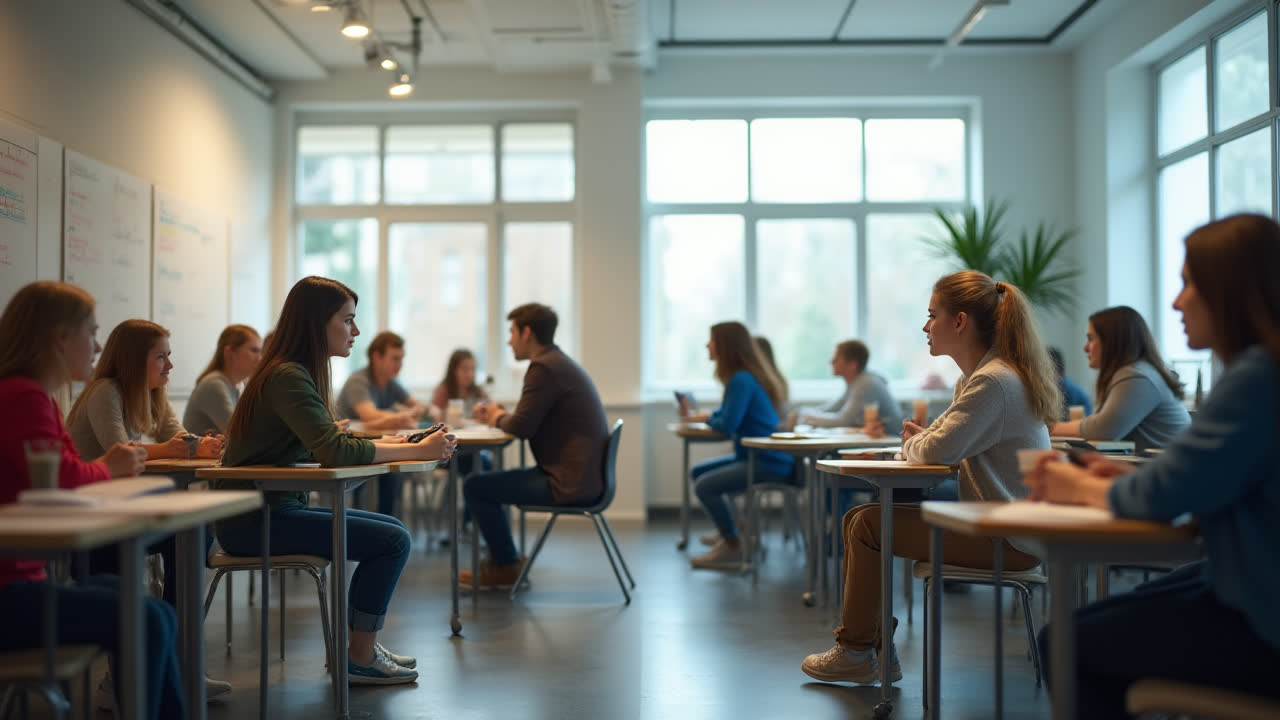
Educational methodologies continue to evolve as we discover more effective ways to engage students and promote meaningful learning. Among these approaches, cooperative learning and collaborative learning stand out as powerful techniques that leverage student interaction. While these terms are often used interchangeably, they actually represent distinctly different pedagogical strategies with unique implementations and outcomes. Have you ever wondered which approach might work better for your classroom or learning environment?
When implemented correctly, both methods can transform passive learning environments into dynamic, student-centered spaces where deeper understanding flourishes. In my years of educational consulting, I've seen remarkable transformations in classrooms that effectively implement these strategies. The key lies in understanding the fundamental differences between these approaches and knowing when to apply each one based on your specific learning objectives and student needs.
This comprehensive guide examines the nuances that separate group-based learning methodologies and provides practical insights into when and how to implement each approach. Whether you're an educator looking to enhance your teaching toolkit or a student interested in different learning strategies, understanding these distinctions will help you navigate group learning more effectively.
What Is Cooperative Learning?
Cooperative learning represents a structured approach to group work where students collaborate toward shared academic goals while maintaining individual accountability. Unlike traditional group projects, cooperative learning deliberately designs interactions that promote positive interdependence among team members. Think of it as a carefully orchestrated symphony where each musician plays their unique part while contributing to the collective harmony.
In cooperative learning environments, the educator plays a significant role in designing and structuring activities. The teacher typically assigns specific roles to each student, providing clear guidelines about responsibilities and expectations. I remember observing a middle school science class where the teacher had assigned "researcher," "recorder," "materials manager," and "reporter" roles within each group—this clear structure helped maintain focus and ensured participation from every student.
One of the defining characteristics of cooperative learning is that information sources are typically controlled or directed by the educator. Rather than allowing students complete freedom to seek information independently, the teacher provides necessary resources or directs students to specific information sources. This guided approach helps maintain the integrity of the learning process and ensures students engage with high-quality, relevant materials.
The educator remains actively involved throughout the cooperative learning process. Teachers regularly observe group discussions, listen to student interactions, and may intervene when necessary to redirect or provide additional guidance. This ongoing involvement allows instructors to monitor progress, address misconceptions, and ensure all students are actively participating in meaningful ways.
What Is Collaborative Learning?
Collaborative learning takes a different approach to group work by emphasizing student autonomy and self-direction. In this model, students take greater responsibility for organizing and managing their collective work with minimal teacher intervention. The educator establishes the initial framework but then steps back, allowing students to navigate the learning process more independently.
Within collaborative learning settings, students organize work distribution themselves, deciding who takes on which responsibilities based on their understanding of team members' strengths and preferences. This self-organization fosters important leadership and negotiation skills that extend beyond academic content. Last semester, I worked with a high school English class implementing collaborative projects where students naturally gravitated toward tasks that matched their interests—some focusing on research, others on creative presentation elements—creating a balanced approach without teacher assignment.
One of the primary benefits of collaborative learning is its effectiveness in fostering mutual respect for differences. As students work together, they encounter diverse perspectives, working styles, and approaches to problem-solving. Through this exposure, they learn to value these differences and leverage them as strengths rather than viewing them as obstacles. This appreciation for diversity creates a more inclusive learning environment and prepares students for real-world collaborative settings.
The educator's role shifts dramatically in collaborative learning environments. Rather than directing activities, the teacher primarily monitors progress and provides assistance only when explicitly requested by students. This hands-off approach encourages students to develop problem-solving strategies, build resilience when facing challenges, and take ownership of their learning journey. Sometimes it's difficult for teachers accustomed to more directive approaches to step back, but the growth in student independence is worth the initial discomfort.
Key Differences Between Cooperative and Collaborative Learning
| Comparison Point | Cooperative Learning | Collaborative Learning |
|---|---|---|
| Teacher's Role | Active designer and facilitator who structures activities and intervenes regularly | Background monitor who provides framework but limited intervention |
| Student Autonomy | Limited - roles and tasks typically assigned by teacher | High - students organize work distribution themselves |
| Information Sources | Provided or directed by educator | Students seek information independently |
| Structure | Highly structured with clearly defined roles | Flexible structure determined by students |
| Assessment Approach | Teacher reviews and evaluates work | Incorporates self-assessment of both individual and group performance |
| Primary Focus | Individual accountability within group context | Team achievement while supporting individual growth |
| Ideal Applications | Younger students, structured subjects, skill building | Older students, complex problems, creativity-focused projects |
| Decision Making | Often guided by teacher-established parameters | Student-led with minimal external direction |
Choosing the Right Approach
Selecting between cooperative and collaborative learning depends on several factors including student age, subject matter complexity, and learning objectives. Younger students or those new to group work often benefit from the more structured cooperative approach. The clear roles and teacher guidance provide scaffolding that helps develop foundational collaboration skills without overwhelming students with too many choices.
Cooperative learning works particularly well for subjects with defined processes or skill development sequences. Mathematics problem-solving, language acquisition activities, and laboratory procedures often benefit from the structured approach of cooperative learning. The guided nature ensures students master essential skills before moving toward more independent exploration.
As students mature and develop stronger self-regulation skills, collaborative learning becomes increasingly effective. High school and college students generally respond well to the increased autonomy and find the self-directed nature more engaging. But this isn't solely age-dependent—I've seen remarkably effective collaborative learning with motivated middle school students who had previously developed good teamwork foundations.
For complex, open-ended problems without clear "right answers," collaborative learning often yields more creative and comprehensive solutions. Projects involving design thinking, ethical discussions, creative writing, or multidisciplinary challenges benefit from the diverse approaches that emerge when students have greater freedom to explore solutions independently. The educator's role shifts to helping students reflect on and refine their approach rather than directing specific pathways.
Many effective educators actually implement a blend of both approaches, starting with more cooperative structures to establish expectations and procedures before gradually releasing responsibility to students through increasingly collaborative projects. This progressive approach builds capacity while maintaining appropriate support levels. The best educators I've worked with seamlessly transition between these approaches based on ongoing assessment of student needs and readiness.
Similarities Between Approaches
Despite their differences, both cooperative and collaborative learning share important foundational elements. Both methodologies recognize the power of social interaction in deepening learning. Whether highly structured or more autonomous, these approaches leverage peer discussion, explanation, and questioning to enhance understanding beyond what individual study typically achieves.
Both approaches also acknowledge the importance of individual accountability within group settings. While the implementation differs, each methodology includes mechanisms to ensure all students contribute meaningfully rather than allowing some to dominate while others disengage. This balanced participation is essential for equitable learning outcomes.
Both cooperative and collaborative learning foster important transferable skills beyond academic content. Communication abilities, interpersonal awareness, conflict resolution strategies, and adaptability develop naturally through these group-based approaches. In today's interconnected world, these "soft skills" often prove as valuable as traditional subject matter expertise in professional settings.
Frequently Asked Questions
How do you assess student learning in cooperative versus collaborative environments?
Assessment approaches differ significantly between these methodologies. In cooperative learning, the teacher typically reviews work and evaluates both process and outcomes based on predetermined criteria. Individual contributions can be assessed through role-specific deliverables. In collaborative learning, self-assessment becomes more prominent, with students evaluating both their individual contributions and the group's collective performance. Many educators use reflection journals, peer evaluations, and portfolio assessments to capture learning in collaborative environments. Effective assessment in either approach should consider both academic content mastery and development of collaboration skills.
Can these approaches be combined effectively in one classroom?
Absolutely! Many skilled educators implement a blended approach that evolves throughout the academic year. They might begin with more cooperative structures to establish routines and develop foundational collaboration skills before gradually shifting toward more collaborative approaches as students demonstrate readiness. Additionally, within a single project, certain components might be structured cooperatively while others allow for more collaborative freedom. This flexibility allows teachers to match the approach to specific learning objectives and student needs. The key is intentional design rather than random implementation of group work.
How do online learning environments impact cooperative and collaborative approaches?
Digital learning platforms have transformed how we implement both cooperative and collaborative learning. Online environments often require more explicit structure initially, making cooperative approaches particularly valuable for establishing virtual collaboration norms. Digital tools like shared documents, virtual whiteboards, and communication platforms can facilitate both approaches effectively. Cooperative learning in online settings benefits from clear role assignments and scheduled check-ins, while collaborative learning leverages asynchronous work possibilities and diverse digital creation tools. The key adaptation is ensuring sufficient communication channels and establishing clear expectations for engagement, as the non-verbal cues present in physical classrooms are often missing online.
Conclusion
Understanding the distinction between cooperative and collaborative learning empowers educators to select the most appropriate approach for their specific context and objectives. Rather than viewing these as competing methodologies, consider them complementary tools in your educational toolkit. The structured nature of cooperative learning provides excellent scaffolding for developing fundamental teamwork skills, while collaborative learning's autonomy fosters higher-order thinking and self-direction.
Whichever approach you implement, remember that effective group learning requires thoughtful design, clear communication of expectations, and appropriate support structures. When implemented with intention and care, both cooperative and collaborative learning create dynamic, engaging learning environments that prepare students for future academic and professional success. Perhaps the most powerful question isn't which approach is "better" but rather which approach best serves your current students and learning goals.