Cytoplasm vs Cytoskeleton: Understanding Key Differences & Functions
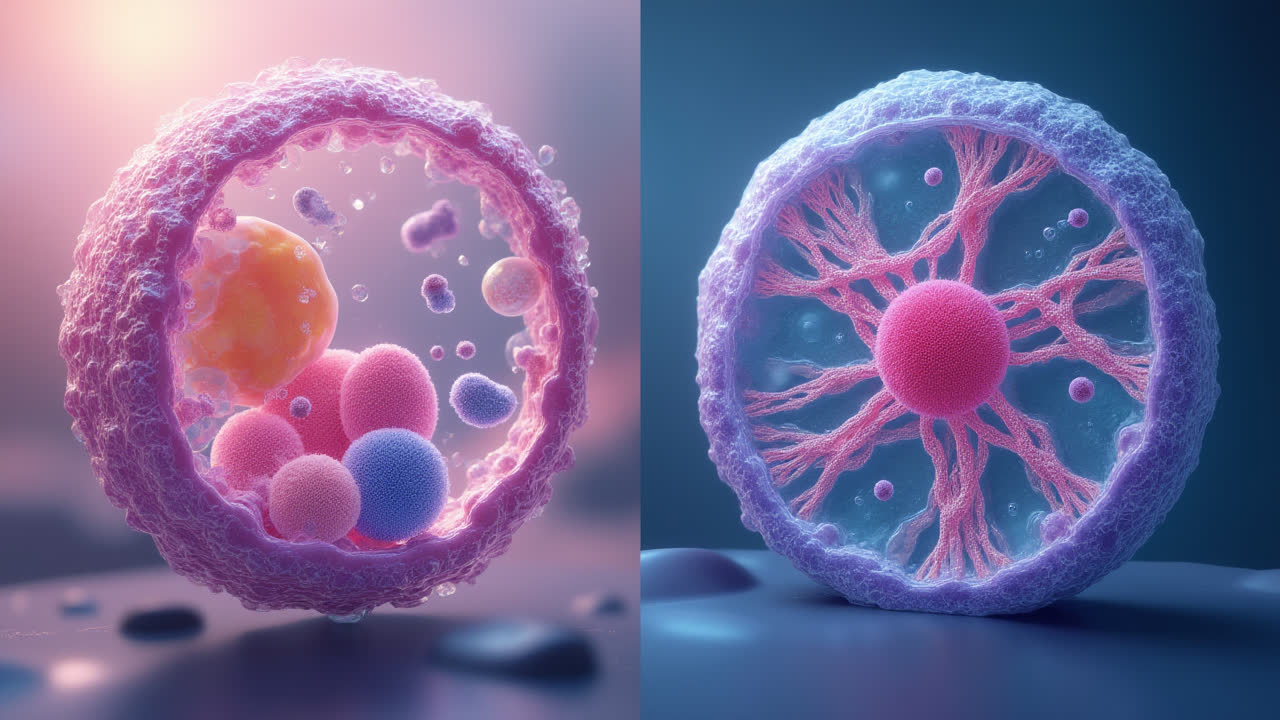
Have you ever wondered what keeps cells functioning and maintaining their shape? The answer lies within the fascinating world of cellular components. Cytoplasm and cytoskeleton are two fundamental structures that play vital roles in cellular function, yet many people confuse these distinct components. I've spent years studying cellular biology, and I'm still amazed by how these microscopic structures work together.
When examining cells under a microscope, you'll notice that they're not just empty sacs but complex systems with various components. The cytoplasm serves as the "living room" of the cell where most activities occur, while the cytoskeleton acts like the "framework" that maintains the cell's structure. Understanding the difference between these components is essential for anyone interested in biology, medicine, or related fields.
In this comprehensive guide, I'll break down everything you need to know about cytoplasm and cytoskeleton, including their definitions, structures, functions, and key differences. By the end, you'll have a clear understanding of how these cellular components contribute to life at the microscopic level.
Quick Summary
Cytoplasm is the jelly-like fluid that fills cells and contains various organelles and molecules, while the cytoskeleton is a network of protein fibers within the cytoplasm that provides structural support and facilitates movement. Cytoplasm exists in both prokaryotes and eukaryotes, whereas the cytoskeleton is primarily found in eukaryotic cells.
What is Cytoplasm? Definition, Structure, and Function
The cytoplasm is that thick, jelly-like substance that fills the space between the cell membrane and the nucleus in eukaryotic cells. In prokaryotic cells, which lack a defined nucleus, the cytoplasm encompasses everything within the cell membrane. I remember my first time viewing cytoplasm under a microscope—it appeared almost like a transparent gel with various structures floating within it.
Structurally, the cytoplasm consists of three main components: the cytosol (the liquid portion), organelles (specialized structures that perform specific functions), and inclusions (stored materials and particles). The cytosol makes up about 70% of the cell volume and is primarily composed of water (about 80%), along with proteins, lipids, carbohydrates, and various ions. The consistency of cytoplasm can vary from fluid-like to gel-like, depending on cellular conditions and activities.
The cytoplasm is divided into two regions: the endoplasm (inner area) and the ectoplasm or cell cortex (outer area). The endoplasm tends to be more concentrated than the ectoplasm. This differentiation allows for specialized functions in different parts of the cell. Sometimes when I'm explaining this to students, I compare it to how a house has different rooms for different activities—the cytoplasm has different regions optimized for various cellular processes.
Functionally, the cytoplasm serves several crucial roles in cellular activity:
- It provides a medium for suspending organelles and cellular components
- It creates an ideal chemical environment for biochemical reactions
- It stores various macromolecules and nutrients needed for cell functions
- It facilitates the movement of materials within the cell through a process called cytoplasmic streaming
- It helps maintain cell shape and integrity
In prokaryotic cells, most biochemical reactions occur directly in the cytoplasm since these cells lack membrane-bound organelles. Even in eukaryotic cells, many important reactions take place in the cytoplasm despite the presence of specialized organelles. The phenomenon known as crowding occurs when the concentration of macromolecules varies across different areas of the cytoplasm, allowing for localized biochemical environments within the cell.
What is Cytoskeleton? Definition, Structure, and Function
The cytoskeleton, as the name suggests, is like the skeleton of the cell—a complex network of protein filaments and tubules that extends throughout the cytoplasm. Unlike our rigid human skeleton, though, the cytoskeleton is dynamic and constantly reorganizing itself. I've always found it fascinating how these microscopic structures can be both sturdy enough to maintain cell shape yet flexible enough to allow movement.
Structurally, the cytoskeleton consists of three main types of protein fibers, each with distinct roles:
- Microtubules: These are the thickest fibers of the cytoskeleton, hollow tubes made of a protein called tubulin. They act as tracks for organelle and vesicle movement and form the mitotic spindle during cell division.
- Microfilaments (actin filaments): These are the thinnest fibers, composed of actin proteins. They're particularly abundant near the cell membrane and are involved in cell movement and changes in cell shape.
- Intermediate filaments: These fibers, as their name suggests, have a diameter between that of microtubules and microfilaments. They're made of various proteins and provide mechanical strength and resistance to stress.
In addition to these protein fibers, the cytoskeleton also contains motor proteins—specialized proteins that actively move along the cytoskeletal fibers, often transporting cellular cargo. The three main types of motor proteins are kinesins, dyneins, and myosins. These remarkable molecules convert chemical energy from ATP into mechanical energy, allowing them to "walk" along the cytoskeletal highways. During a lab demonstration once, I showed students a video of these motor proteins in action, and they were amazed to see these tiny molecular machines moving purposefully within cells.
Functionally, the cytoskeleton performs several essential roles:
- Maintains cell shape and provides structural support
- Anchors organelles in their proper positions within the cell
- Facilitates intracellular transport of vesicles, organelles, and other cellular components
- Enables cell movement and changes in cell shape
- Participates in cell division by forming the mitotic spindle
- Contributes to the formation of specialized cellular projections like cilia and flagella
- Assists in cell signaling by providing a framework for signal transduction
Unlike the cytoplasm, which is present in both prokaryotes and eukaryotes, the cytoskeleton as a complex system of fibers is primarily found in eukaryotic cells. However, prokaryotes do have cytoskeletal-like proteins that serve similar functions, though these systems are generally less complex than their eukaryotic counterparts.
Comprehensive Comparison: Cytoplasm vs Cytoskeleton
| Comparison Point | Cytoplasm | Cytoskeleton |
|---|---|---|
| Definition | The jelly-like substance filling the cell between the cell membrane and nucleus | A network of protein filaments and tubules extending throughout the cytoplasm |
| Composition | Cytosol (liquid), organelles, inclusions, and cytoskeleton | Microtubules, microfilaments, intermediate filaments, and motor proteins |
| Physical State | Gel-like fluid | Network of protein fibers |
| Occurrence | Present in both prokaryotes and eukaryotes | Complex system mainly in eukaryotes (prokaryotes have cytoskeleton-like proteins) |
| Location | Fills the space between cell membrane and nucleus (or throughout cell in prokaryotes) | Network distributed within the cytoplasm |
| Primary Functions | Medium for biochemical reactions, suspends organelles, stores nutrients | Maintains cell shape, enables movement, positions organelles, aids in cell division |
| Dynamism | Relatively stable but with cytoplasmic streaming | Highly dynamic with constant assembly and disassembly |
| Relationship | Contains the cytoskeleton as one of its components | Is a component of the cytoplasm |
Key Differences Explained in Detail
Now that we've covered the basics of both cytoplasm and cytoskeleton, let's dive deeper into their key differences. Understanding these distinctions helps clarify how these components work together while serving different purposes in cellular function.
Definition and Basic Nature
The most fundamental difference between cytoplasm and cytoskeleton lies in their basic nature. Cytoplasm is essentially the cellular matrix—a viscous, jelly-like substance that fills the cell and in which all other cellular components are suspended. The cytoskeleton, on the other hand, is a structured network of protein fibers that extends throughout this matrix. In other words, the cytoskeleton is actually a component of the cytoplasm, not separate from it. This relationship is similar to how bones exist within the flesh of our bodies—the cytoskeleton exists within the cytoplasm.
Structural Composition
Cytoplasm and cytoskeleton differ significantly in their structural makeup. The cytoplasm is primarily liquid (cytosol) with dissolved substances and suspended particles. It's about 80% water mixed with proteins, carbohydrates, lipids, and various ions. The cytoskeleton, however, consists of distinct protein polymers organized into filaments and tubules. These aren't randomly distributed but form an organized network with specific architectural patterns. I once heard a colleague describe this difference perfectly: "If the cytoplasm is the ocean, the cytoskeleton is the coral reef structure within it."
Evolutionary Presence
An interesting distinction between these two cellular components is their evolutionary presence. Cytoplasm is universal—it's found in all cells, both prokaryotic (bacteria and archaea) and eukaryotic (plants, animals, fungi, protists). The complex cytoskeleton as we know it, however, is primarily a feature of eukaryotic cells. While prokaryotes do have some cytoskeletal-like proteins that perform similar functions, they lack the elaborate three-component system found in eukaryotes. This suggests that the complex cytoskeleton evolved later as cells became more sophisticated and developed specialized functions.
Functional Roles
While both components contribute to cell function, they do so in different ways. The cytoplasm primarily serves as a medium—it provides the environment where biochemical reactions occur and stores necessary molecules. The cytoskeleton, however, is more active and mechanical in its functions. It maintains cell shape, enables movement, positions organelles, and participates directly in processes like cell division. You could say the cytoplasm is like the soil in a garden, while the cytoskeleton is like the trellises and supports that give the garden structure.
Dynamism and Adaptability
Another key difference is in their dynamic nature. The cytoplasm is relatively stable in its composition, though materials move through it via cytoplasmic streaming. The cytoskeleton, however, is remarkably dynamic. Its components are constantly being assembled and disassembled, allowing the cell to rapidly change shape or redistribute its internal components in response to different stimuli. During a cell biology conference I attended, a researcher demonstrated how cytoskeletal elements can completely reorganize within minutes in response to external signals—a remarkable feat of cellular engineering.
How Cytoplasm and Cytoskeleton Work Together
Despite their differences, cytoplasm and cytoskeleton don't operate independently. They work together in a coordinated manner to maintain cellular function. The cytoplasm provides the medium in which the cytoskeleton exists, while the cytoskeleton gives structure to the cytoplasm and facilitates movement within it.
One fascinating example of this cooperation is seen in cytoplasmic streaming, particularly evident in plant cells. The cytoskeleton creates pathways along which the cytoplasm flows, carrying nutrients, proteins, and even organelles to different parts of the cell. Without the cytoskeleton, this organized movement wouldn't be possible, and without the cytoplasm, there would be no medium for transport.
The interaction between cytoplasm and cytoskeleton also plays a crucial role during cell division. The cytoskeleton forms the mitotic spindle that separates chromosomes, while the cytoplasm provides the necessary enzymes and energy for this process. After division, the cytoskeleton helps reorganize the cytoplasm in the daughter cells.
In cellular responses to environmental changes, the partnership between these components becomes even more evident. When a cell encounters a stimulus, signals travel through the cytoplasm, often using the cytoskeleton as a highway. The cytoskeleton then responds by reorganizing, which can alter the shape or movement of the cell. Meanwhile, the composition of the cytoplasm may change to support these adaptations.
I've always thought of this relationship as similar to how a city functions. The cytoplasm is like the atmosphere and environment of the city, while the cytoskeleton represents the roads, buildings, and infrastructure. Both are necessary for the city to function properly, and changes to one inevitably affect the other.
Frequently Asked Questions
Can cells survive without a cytoskeleton?
Eukaryotic cells cannot survive without a cytoskeleton. The cytoskeleton is essential for maintaining cell shape, enabling cell division, positioning organelles, and facilitating intracellular transport. Without it, the cell would lose its structural integrity and most of its functional capabilities. However, prokaryotic cells like bacteria have simpler cytoskeletal-like proteins rather than the complete three-component system found in eukaryotes, allowing them to function with a less complex structural system.
What happens to the cytoplasm during cell division?
During cell division, the cytoplasm undergoes a process called cytokinesis, where it divides between the two daughter cells. After the chromosomes have separated during mitosis, the cytoplasm begins to constrict at the cell equator, forming a cleavage furrow in animal cells or a cell plate in plant cells. This division process is facilitated by the cytoskeleton, particularly actin filaments which form a contractile ring that pinches the cell in two. The cytoplasmic contents, including organelles and inclusion bodies, are distributed between the daughter cells, sometimes equally and sometimes asymmetrically depending on the cell type.
How do diseases affect the cytoplasm and cytoskeleton?
Many diseases involve abnormalities in the cytoplasm or cytoskeleton. For example, certain neurodegenerative disorders like Alzheimer's and Parkinson's diseases involve aggregation of abnormal proteins in the cytoplasm. Mutations in cytoskeletal proteins can lead to conditions such as Duchenne muscular dystrophy (affecting actin-associated proteins) or certain types of dwarfism (affecting microtubule dynamics). Cancer often involves changes in cytoskeletal organization that allow cells to migrate and invade surrounding tissues. Additionally, some pathogens, such as certain bacteria and viruses, can hijack the host cell's cytoskeleton to facilitate their replication or movement within and between cells.
Conclusion: Understanding the Cellular Framework
Cytoplasm and cytoskeleton represent two fundamental components of cellular structure and function, each with distinct characteristics yet working together in harmony. The cytoplasm provides the medium in which cellular activities occur, while the cytoskeleton gives cells their shape, enables movement, and organizes internal components.
Their differences in composition, structure, evolutionary presence, and function highlight the complexity and specialization that has evolved in cellular biology. The cytoplasm, present in all cells, serves as the foundation of cellular life, while the complex cytoskeleton represents a more advanced adaptation primarily found in eukaryotes.
Understanding these cellular components is not just academic knowledge—it has practical applications in medicine, biotechnology, and research. Diseases affecting either the cytoplasm or cytoskeleton can have profound effects on cellular function and overall health. Future research in these areas may lead to new treatments for conditions ranging from cancer to neurodegenerative disorders.
The next time you view a cell under a microscope or in an illustration, take a moment to appreciate the intricate organization within. That apparently simple blob is actually a highly organized system with various components working together to sustain life. The relationship between cytoplasm and cytoskeleton is just one example of the remarkable complexity that exists at the cellular level—a reminder that even the smallest units of life are marvels of natural engineering.
References:
- http://biology.tutorvista.com/animal-and-plant-cells/cytoplasm.html
- https://www.khanacademy.org/science/biology/structure-of-a-cell/tour-o
- https://cnx.org/contents/FPtK1zmh@8.25:fEI3C8Ot@10/Preface
- https://commons.wikimedia.org/w/index.php?curid=30131195
- https://cnx.org/contents/FPtK1zmh@8.25:fEI3C8Ot@10/Preface
- https://commons.wikimedia.org/w/index.php?curid=30131202