Understanding Dedifferentiation vs Redifferentiation: Complete Guide
The fascinating world of plant cell biology is filled with remarkable processes that enable growth, healing, and adaptation. Among these processes, dedifferentiation and redifferentiation stand out as critical mechanisms that allow plants to develop, respond to injuries, and maintain their structure. Have you ever wondered how plants can regenerate tissue after being damaged? Or how they create specialized cells to perform specific functions? The answers lie in understanding these twin processes.
In this comprehensive guide, we'll explore the fundamental differences between dedifferentiation and redifferentiation, their roles in plant development, and why they matter. These cellular transformations are not just academic curiosities—they're essential to plant survival and have significant implications for agricultural science and biotechnology. By the end of this article, you'll have a clear understanding of how these processes work and their importance in the plant kingdom.
What is Dedifferentiation?
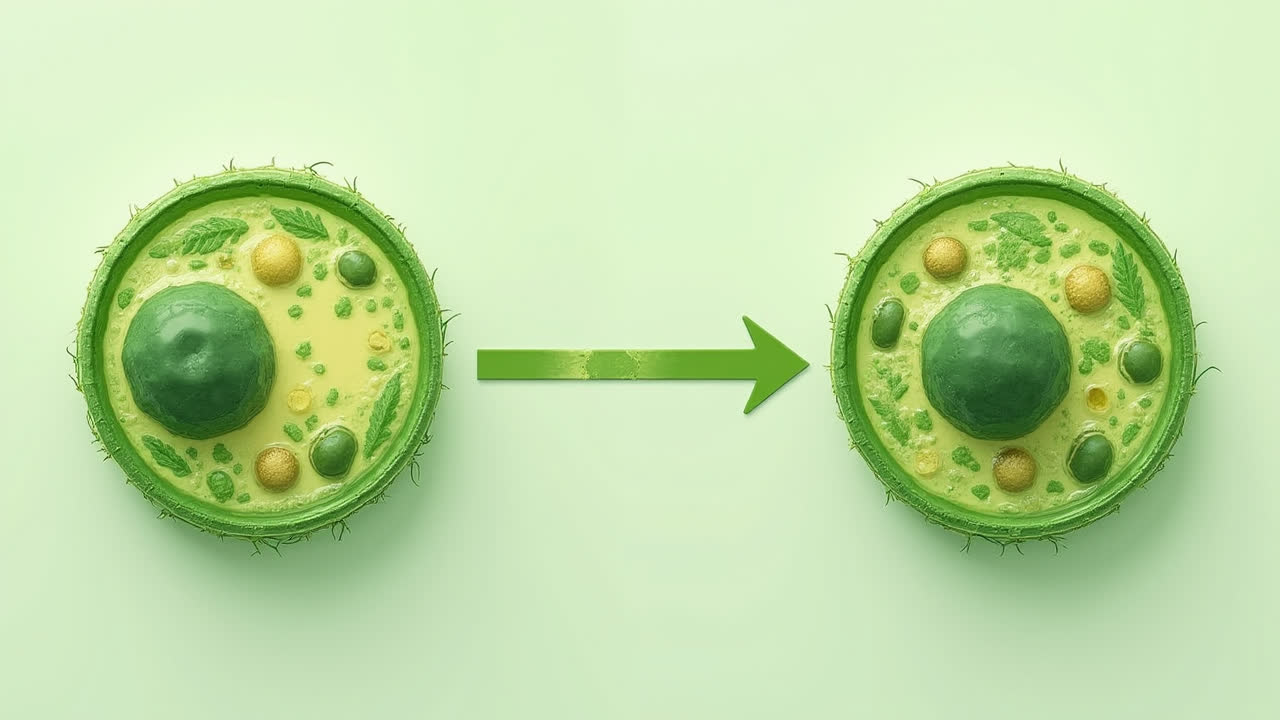
Dedifferentiation is the fascinating process through which fully developed, specialized plant cells regain their ability to divide mitotically. Think of it as cells taking a step back in their developmental journey, returning to a more primitive, versatile state. During this process, differentiated cells essentially "forget" their specialization and revert to an earlier developmental stage where they can once again multiply.
When plant cells undergo dedifferentiation, they transform into what botanists call meristematic tissue. This tissue serves as a cellular factory, capable of producing new cells as needed. The most common types of dedifferentiated tissue include interfascicular vascular cambium (which forms between vascular bundles), cork cambium (which produces the protective outer layers of stems and roots), and wound meristem (which develops in response to injury).
But why does this matter? Well, dedifferentiation gives plants an extraordinary ability that most animals lack—the capacity to regenerate and adapt throughout their lifespans. When a branch is cut, a leaf is damaged, or a stem is wounded, nearby differentiated cells can dedifferentiate and start dividing to heal the injury. This remarkable flexibility allows plants to repair themselves and continue growing despite damage that would be permanent in many other organisms.
Interestingly, while dedifferentiation is common in plants, it's much rarer in animals. However, some simpler animals like hydras, planarians (flatworms), and certain amphibians can dedifferentiate cells during regeneration processes. In the plant kingdom, though, it's a fundamental aspect of growth and development, enabling everything from routine tissue replacement to dramatic structural changes in response to environmental conditions.
What is Redifferentiation?
Redifferentiation follows dedifferentiation in the cellular cycle and represents the process where cells that had reverted to a less specialized state once again become specialized for specific functions. If dedifferentiation is like taking a step backward in development, redifferentiation is the forward step that creates newly specialized cells. During this process, the actively dividing dedifferentiated cells gradually lose their ability to divide and instead gain functional specializations.
When cells redifferentiate, they mature into specific cell types with distinct structures and functions. For example, the vascular cambium (a dedifferentiated tissue) produces cells that redifferentiate into secondary xylem (wood) and secondary phloem (inner bark). These redifferentiated cells perform vital functions like water transport, food conduction, and providing structural support—but they can no longer divide.
The timing of redifferentiation is crucial for plant development. After a period of active cell division and growth through dedifferentiated cells, redifferentiation ensures that new tissues can perform their specialized roles. This balance between growth and function allows plants to maintain their complex structures while continuing to develop throughout their lives. Without redifferentiation, plants would have masses of undifferentiated cells but no specialized tissues to carry out essential life processes.
It's worth noting that redifferentiation isn't simply a return to the original cell type. Often, the newly redifferentiated cells serve different functions than their predecessors, allowing plants to adapt their internal structures to changing conditions. This remarkable plasticity is one reason why plants can thrive in such diverse environments and respond effectively to stresses ranging from physical damage to seasonal changes.
Comparing Dedifferentiation and Redifferentiation
| Characteristic | Dedifferentiation | Redifferentiation |
|---|---|---|
| Definition | Process by which specialized cells regain the capacity to divide mitotically | Process by which dividing cells lose division capacity and become specialized again |
| Cell Status | Cells become less specialized and more primitive | Cells become more specialized with specific functions |
| Division Ability | Cells regain the ability to divide | Cells lose the ability to divide |
| Resulting Tissue Type | Meristematic tissue (cambium, wound meristem) | Functionally specialized tissue (xylem, phloem, etc.) |
| Primary Function | Production of new cells at specific locations | Performance of specialized functions in the plant |
| Examples | Formation of interfascicular cambium and cork cambium from parenchyma cells | Formation of secondary xylem and phloem from vascular cambium |
| Role in Development | Enables growth and repair at specific sites | Creates functional tissues needed for plant survival |
| Timing in Growth Cycle | Occurs first, preceding redifferentiation | Follows dedifferentiation after sufficient new cells are produced |
While dedifferentiation and redifferentiation might seem like opposite processes, they actually work together in a complementary cycle that enables plant growth, development, and healing. Both processes involve alterations to a cell's differentiation state, but they serve distinct purposes in the plant life cycle.
One way to understand these processes is to think of them as different phases in a renovation project. Dedifferentiation is like demolishing interior walls to create open space for new construction (creating cells that can divide and multiply), while redifferentiation is like building new specialized rooms with specific purposes (creating cells with specific functions).
The Importance of These Processes in Plant Life
The twin processes of dedifferentiation and redifferentiation give plants an incredible level of developmental flexibility that most animals simply don't possess. While animal development typically follows a one-way path toward greater specialization, plants maintain the ability to reverse course when needed. This plasticity is fundamental to how plants grow, heal, and adapt to their environments.
Consider what happens when a plant is wounded. When you prune a branch or a stem is damaged, cells near the wound dedifferentiate to form callus tissue—a mass of undifferentiated cells that covers and protects the wound. Later, some of these cells redifferentiate into specific tissue types needed to repair the damaged area. This remarkable ability to regenerate is why plants can recover from damage that would be permanent in most animals.
Beyond healing, these processes are essential for normal growth and development. Secondary growth in woody plants—the thickening of stems and roots—depends entirely on the dedifferentiation of cells to form the vascular cambium and cork cambium, followed by redifferentiation of their daughter cells into functional tissues like wood and bark. Without these processes, trees couldn't grow tall or develop the strong trunks that support their canopies.
In agriculture and horticulture, understanding and manipulating these processes has practical applications. Plant propagation techniques like tissue culture rely on dedifferentiation to produce callus tissue, which can then be induced to redifferentiate into whole plants. This allows for the rapid multiplication of valuable plant varieties and the production of disease-free planting stock.
Even in evolutionary terms, the ability to dedifferentiate and redifferentiate has contributed to the remarkable diversity and adaptability of plants. It has allowed them to develop complex body plans while maintaining the flexibility to respond to environmental changes and stresses. These processes represent one of nature's most elegant solutions to the challenge of growing while remaining rooted in place.
Examples in Nature
To truly understand dedifferentiation and redifferentiation, it helps to look at specific examples in plants and, in some cases, other organisms. These real-world instances illustrate how these processes function in natural settings and why they're so important.
Secondary Growth in Trees
Perhaps the most common example of these processes occurs in the everyday growth of trees and woody shrubs. In young stems, parenchyma cells between vascular bundles dedifferentiate to form the interfascicular cambium, which joins with the fascicular cambium to create a complete cylinder of meristematic tissue. This dedifferentiated tissue then produces cells that redifferentiate into secondary xylem (wood) toward the inside and secondary phloem (inner bark) toward the outside. This is why tree trunks get wider each year—a continuous cycle of dedifferentiation and redifferentiation adds new layers of specialized tissue.
Wound Healing
When a plant is injured, cells near the wound site dedifferentiate to form callus tissue. This undifferentiated mass of cells helps seal the wound and prevent infection. As healing progresses, cells within the callus redifferentiate to form specialized tissues needed to repair the damage, such as vascular tissue to restore circulation or cork cells to provide protection. In some cases, entire new structures like roots or shoots can develop from callus through redifferentiation, which is the basis for many methods of vegetative propagation.
Root Formation on Cuttings
When gardeners take stem cuttings to propagate plants, they're relying on dedifferentiation and redifferentiation. Cells at the cut end of the stem dedifferentiate and begin dividing to form a callus. Then, certain cells within this callus redifferentiate to form root primordia, which develop into new roots. This remarkable ability to generate entirely new organs from mature tissue is possible only because of the plasticity provided by these cellular processes.
Regeneration in Lower Animals
While not plants, some animals demonstrate similar processes. Hydras, planarians (flatworms), and certain amphibians like salamanders can regenerate lost body parts through cellular dedifferentiation and subsequent redifferentiation. When a salamander loses a limb, for instance, cells at the wound site dedifferentiate to form a blastema (similar to plant callus), and these cells later redifferentiate to form the various tissues of the new limb. This parallel with plant processes highlights the fundamental importance of cellular plasticity in regeneration across different kingdoms of life.
Frequently Asked Questions
What triggers dedifferentiation in plant cells?
Dedifferentiation in plant cells can be triggered by several factors, with plant hormones playing a crucial role. Auxins and cytokinins, two major plant hormones, often work together to induce dedifferentiation. Physical wounding is another common trigger, as damaged tissues release hormones that signal nearby cells to dedifferentiate and form callus tissue. Additionally, environmental stresses like extreme temperatures or drought can sometimes induce dedifferentiation as part of the plant's adaptive response. In laboratory settings, scientists can deliberately induce dedifferentiation by applying specific hormones to plant tissues, which is the basis for plant tissue culture techniques used in propagation and genetic modification.
Can all plant cells undergo dedifferentiation?
Not all plant cells can undergo dedifferentiation with equal ease. The ability to dedifferentiate varies significantly among different cell types and plant species. Generally, parenchyma cells (relatively unspecialized cells found throughout plant tissues) have the greatest capacity for dedifferentiation. Collenchyma cells (supporting cells with thickened corners) can also dedifferentiate relatively easily. However, highly specialized cells like mature tracheids and vessel elements in xylem, which have lost their nuclei and cytoplasm, cannot dedifferentiate because they are essentially dead at maturity. Similarly, heavily lignified sclerenchyma cells rarely dedifferentiate. The age of the plant and the tissue also influences dedifferentiation potential, with younger tissues typically showing greater plasticity than older ones.
How do dedifferentiation and redifferentiation differ in plants versus animals?
The processes of dedifferentiation and redifferentiation are much more common and widespread in plants than in animals. In plants, these processes are a normal part of development and occur throughout the plant's life, enabling continuous growth and remarkable regenerative abilities. Almost all plants can regenerate entire organisms from small tissue samples through these mechanisms. In contrast, most animals have limited dedifferentiation capabilities, with the exception of some simpler organisms like hydras, planarians, and certain amphibians. Mammals, including humans, have very restricted cellular plasticity, with most mature cells unable to dedifferentiate under normal conditions. This fundamental difference contributes to plants' ability to regenerate entire organisms from small fragments, while most animals cannot regrow major body parts. Recent advances in stem cell research aim to enhance dedifferentiation in animal cells for therapeutic purposes, inspired partly by plants' natural abilities.
Conclusion
The interplay between dedifferentiation and redifferentiation represents one of the most fascinating aspects of plant biology. These complementary processes allow plants to maintain a delicate balance between growth and specialization, enabling them to develop complex structures while retaining the flexibility to respond to damage and environmental changes.
Through dedifferentiation, specialized plant cells can regain their ability to divide, creating pools of new cells where and when they're needed. Through redifferentiation, these newly created cells can assume specialized roles, performing the diverse functions necessary for plant survival. Together, these processes make possible everything from the seasonal growth of tree rings to the healing of wounded tissues to the remarkable regenerative abilities that gardeners exploit when propagating plants from cuttings.
Understanding these processes isn't just academically interesting—it has practical implications for agriculture, forestry, horticulture, and even medicine. As we continue to study the molecular mechanisms behind dedifferentiation and redifferentiation, we gain insights that could lead to improved crop varieties, more effective reforestation techniques, and potentially even new approaches to regenerative medicine inspired by plants' natural abilities.
The next time you observe a tree's expanding trunk, a healing wound on a plant stem, or a cutting developing new roots, take a moment to appreciate the incredible cellular transformations happening beneath the surface. These microscopic processes of dedifferentiation and redifferentiation represent some of nature's most elegant solutions to the challenges of living and growing in a constantly changing world.