Direct Marketing vs Personal Selling: Key Differences Explained
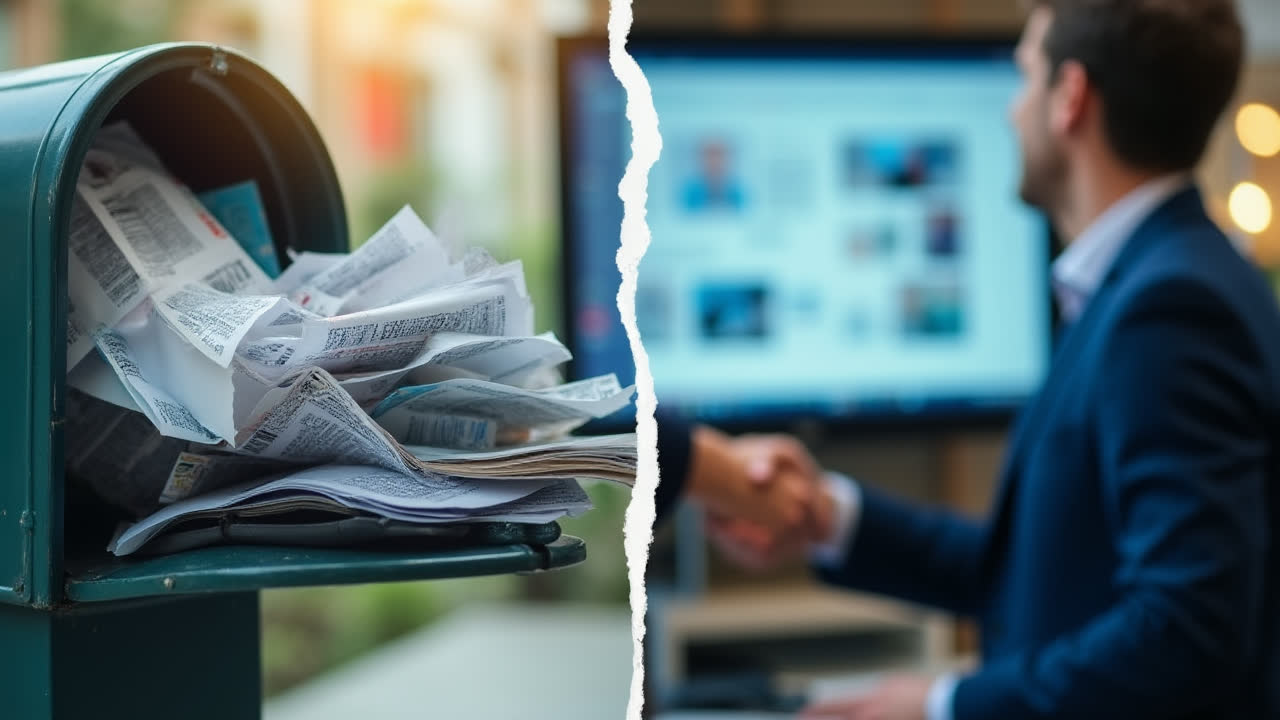
In today's competitive business landscape, companies need effective strategies to reach potential customers and drive sales. Direct marketing and personal selling stand out as two powerful methods that businesses use to connect with their target audience without intermediaries. But how exactly do they differ, and which approach might work better for your specific business needs? Let's dive into these two marketing strategies and explore their unique characteristics, advantages, and applications in the modern business world.
Understanding Direct Marketing
Direct marketing is a promotional method where businesses communicate directly with consumers without using traditional advertising middlemen or media publications. This approach aims to create a one-on-one relationship with customers by reaching them through various channels such as mail, email, catalogs, SMS, or social media platforms. The defining characteristic of promotional direct communication is that it encourages immediate response and action from recipients.
What makes direct marketing particularly attractive to businesses is its measurability. Unlike conventional marketing campaigns, direct marketing allows companies to track response rates, conversion metrics, and return on investment with remarkable precision. For instance, when a business sends out an email campaign with unique tracking codes or personalized URLs, they can monitor exactly how many recipients opened the email, clicked on links, and ultimately made purchases.
The versatility of direct marketing is evident in its many forms. Digital channels like email marketing and social media advertising have gained tremendous popularity due to their cost-effectiveness and reach. However, traditional methods such as direct mail still hold significant value, especially when targeting demographics that prefer physical marketing materials. Have you ever received a personalized catalog with products that seem tailored to your interests? That's direct marketing at work!
Another critical element of effective direct marketing is the call-to-action (CTA). Whether it's "Shop Now," "Call Today," or "Limited Time Offer," these prompts create a sense of urgency and guide consumers toward making immediate decisions. The psychology behind CTAs is fascinating—they tap into our natural response to clear directions and our fear of missing out on valuable opportunities.
Exploring Personal Selling
Personal selling represents a more intimate approach to marketing, involving face-to-face interaction between a salesperson and potential customers. This method relies heavily on the salesperson's interpersonal skills, product knowledge, and ability to build relationships. Unlike the broader reach of direct marketing, interpersonal sales techniques focus on quality interactions with fewer prospects but often yield higher conversion rates for complex or high-value products.
The power of personal selling lies in its adaptability. Skilled sales professionals can adjust their presentation based on the customer's reactions, addressing concerns in real-time and tailoring their pitch to match specific needs. This dynamic nature of personal selling creates opportunities for deeper customer engagement that simply aren't possible with one-way communication channels. Think about your last experience at a car dealership—the salesperson likely adjusted their approach based on your questions and apparent interests.
Industries that commonly leverage personal selling include real estate, automotive, luxury goods, and B2B services. These sectors deal with products or services that are either high-value, complex, or require significant customization. For example, an enterprise software company might employ sales representatives who meet with potential clients to demonstrate how their solution addresses the specific challenges facing that organization.
The evolution of technology has expanded the definition of personal selling beyond traditional face-to-face meetings. Today, video conferencing, social media interactions, and virtual product demonstrations all fall under the umbrella of personal selling as long as they maintain the personal, two-way communication that defines this approach. This adaptation has allowed businesses to maintain the benefits of personal selling while reaching geographically dispersed customers.
Key Differences Between Direct Marketing and Personal Selling
| Aspect | Direct Marketing | Personal Selling |
|---|---|---|
| Communication Style | One-way communication with mass customization | Two-way, interactive communication |
| Reach | Can reach large audiences simultaneously | Limited to individual customers or small groups |
| Personalization Level | Segmented but generally less personalized | Highly personalized to individual customer needs |
| Cost Per Contact | Lower cost per contact | Higher cost per contact |
| Feedback Loop | Delayed feedback through response metrics | Immediate feedback through customer reactions |
| Relationship Building | Focuses on transactions and immediate action | Emphasizes long-term relationship development |
| Best For | Standardized products, wide market reach | Complex products, high-value items, customized solutions |
| Examples | Email campaigns, catalogs, SMS marketing | Retail consultations, B2B sales meetings, property viewings |
When to Use Direct Marketing
Direct marketing shines in scenarios where businesses need to reach a broad audience efficiently with standardized offerings. This approach works particularly well for products or services that don't require extensive explanation or demonstration before purchase. Companies often leverage direct marketing when launching promotional campaigns, introducing new products to existing customers, or reactivating dormant customers through special offers.
The cost-effectiveness of direct marketing makes it appealing for businesses with limited marketing budgets but ambitious growth goals. A well-crafted email campaign or social media advertisement can reach thousands of potential customers at a fraction of the cost of hiring and training sales representatives. However, the success of direct marketing heavily depends on having quality data about your target audience. The more accurate your customer information, the better you can segment and personalize your communications.
E-commerce businesses frequently rely on direct marketing techniques to drive traffic to their online stores. By using compelling product images, limited-time offers, and clear call-to-action buttons, these companies create a direct path from marketing message to purchase. I've personally found that the most effective direct marketing campaigns I receive always make me feel like they understand my specific needs—even though I know they're sent to thousands of others!
Direct marketing also proves valuable for businesses with seasonal products or services. For instance, a tax preparation company might intensify their direct marketing efforts in the months leading up to tax season, or a holiday decoration retailer might ramp up campaigns before major holidays. The ability to quickly scale these campaigns up or down provides flexibility that other marketing approaches lack.
When to Use Personal Selling
Personal selling becomes the preferred approach when products or services are complex, high-value, or highly customizable. This method allows sales professionals to address specific customer concerns, demonstrate product features in context, and build the trust necessary for significant purchasing decisions. Industries such as luxury real estate, enterprise software, and professional services have long recognized that the personal touch often makes the difference between closing a deal and losing a prospect.
The relationship-building aspect of personal selling creates long-term value that extends beyond initial sales. A skilled salesperson doesn't just sell a product; they become a trusted advisor who understands the customer's business or personal needs. This relationship can lead to repeat business, referrals, and valuable feedback for product development. Haven't we all experienced that feeling of loyalty to a salesperson who took the time to understand our specific situation?
B2B sales particularly benefit from personal selling tactics due to the complex nature of business purchasing decisions. When multiple stakeholders are involved in approving a purchase, having a sales representative who can navigate organizational dynamics, address various concerns, and customize presentations for different audiences becomes invaluable. The sales cycle may be longer, but the resulting partnerships often prove more stable and profitable.
Even in today's digital-first world, many consumers still value human interaction when making significant purchases. This preference creates opportunities for businesses that excel at personal selling to differentiate themselves in crowded markets. For example, a local furniture store might compete successfully against online retailers by offering personalized design consultations that help customers find exactly the right pieces for their homes.
Integrating Both Approaches for Maximum Impact
While we've examined the differences between direct marketing and personal selling, the most effective marketing strategies often combine elements of both approaches. This integrated approach allows businesses to leverage the broad reach and efficiency of direct marketing while capitalizing on the relationship-building power of personal selling. For example, a company might use direct marketing to generate leads and initial interest, then transition to personal selling for prospect nurturing and closing deals.
Modern CRM systems make this integration easier than ever by tracking customer interactions across multiple channels and providing sales teams with valuable insights about prospect behavior and preferences. When a sales representative knows that a prospect has already opened three email campaigns and downloaded a white paper, they can tailor their conversation to build on that established interest rather than starting from scratch.
The customer journey has become increasingly complex, with people researching products online, checking reviews, comparing options, and often switching between digital and physical shopping experiences. By implementing both direct marketing and personal selling strategies at appropriate touchpoints in this journey, businesses can meet customers where they are and provide the right level of support at the right time. This omnichannel approach recognizes that modern consumers don't think in terms of marketing channels—they simply want convenient, helpful interactions with brands.
Small businesses that might lack resources for full-scale implementation of both strategies can start small and grow their capabilities over time. Perhaps beginning with targeted email marketing to generate interest, then following up with personal phone calls to the most engaged prospects. As the business grows, these efforts can expand to include more sophisticated direct marketing automation and a dedicated sales team for personal selling approaches.
Frequently Asked Questions
Is direct marketing more cost-effective than personal selling?
In terms of cost per contact, direct marketing is generally more cost-effective than personal selling. Direct marketing allows businesses to reach thousands of potential customers simultaneously through channels like email, social media, or direct mail, spreading the fixed costs across a large audience. Personal selling, however, requires significant investment in hiring, training, and supporting sales staff, resulting in a higher cost per prospect. That said, the conversion rates for personal selling are often higher, especially for complex or high-value products, which can justify the increased cost. The best approach depends on your specific business goals, product complexity, and target market characteristics.
How has technology changed direct marketing and personal selling?
Technology has transformed both direct marketing and personal selling in profound ways. For direct marketing, digital channels have enabled more precise targeting, real-time campaign optimization, and sophisticated analytics that measure effectiveness down to individual customer actions. Email marketing platforms, social media advertising, and marketing automation tools have made it possible to scale personalized communications that would have been unimaginable in the past. For personal selling, technology has expanded the definition beyond face-to-face meetings to include video conferencing, social selling through platforms like LinkedIn, and virtual product demonstrations. CRM systems now provide sales representatives with comprehensive customer data that helps them personalize their approach and focus on the most promising prospects. Perhaps most importantly, technology has enabled better integration between direct marketing and personal selling efforts, creating more seamless customer experiences.
Which industries benefit most from personal selling versus direct marketing?
Industries that deal with complex, high-value, or highly customizable products and services typically benefit most from personal selling. These include real estate, enterprise software, financial services, luxury goods, industrial equipment, and professional services. In these contexts, customers often need detailed explanations, demonstrations, and reassurance that can best be provided through personal interaction. On the other hand, industries with standardized products, lower price points, and mass-market appeal often find direct marketing more effective. E-commerce retailers, consumer packaged goods companies, subscription services, and entertainment businesses frequently rely on direct marketing to reach large audiences efficiently. However, it's worth noting that many successful businesses in all industries use a combination of both approaches, adjusting the balance based on specific products, customer segments, and stages in the buying journey.
Conclusion
The choice between direct marketing and personal selling isn't simply an either/or decision for most businesses. Instead, understanding the unique strengths and applications of each approach allows companies to strategically implement them at different stages of the customer journey. Direct marketing excels at creating awareness and initial interest across broad audiences, while personal selling builds the relationships and trust necessary to close complex sales and foster customer loyalty.
As consumer behavior continues to evolve and technology creates new channels for business-customer interaction, the lines between direct marketing and personal selling will likely continue to blur. The most successful organizations will be those that remain flexible, continuously testing and refining their marketing mix to meet changing customer expectations and business objectives.
Whether you're a small business owner with limited resources or a marketing director at a multinational corporation, taking time to evaluate how these two approaches fit into your overall marketing strategy can yield significant returns. By leveraging both direct marketing and personal selling where they add the most value, you can create more meaningful connections with your target audience and drive sustainable business growth.

Related Posts