Endoplasmic Reticulum and Golgi Apparatus: Essential Partners in Cellular Function
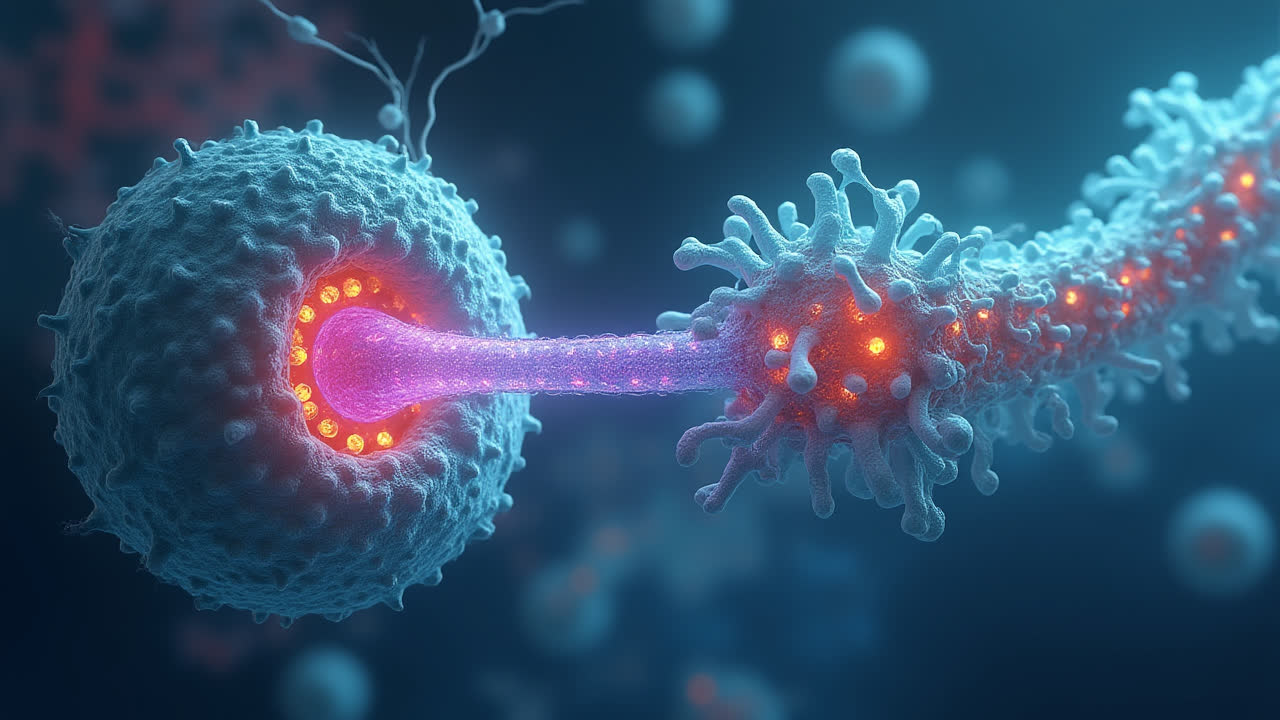
The complexity of eukaryotic cells lies in their compartmentalized organelles, each with specialized functions. Among these, the endoplasmic reticulum (ER) and Golgi apparatus stand out as crucial components of the endomembrane system, working together like a cellular assembly line and distribution center. Have you ever wondered how these remarkable structures coordinate their activities to maintain cellular health? This intricate partnership ensures that proteins are properly manufactured, modified, and delivered to their final destinations—a process fundamental to cell survival and function.
The relationship between the endoplasmic reticulum and Golgi apparatus represents one of the most fascinating examples of organelle cooperation in biology. These membrane-bound structures form a dynamic highway system that facilitates protein trafficking and processing. Like a well-orchestrated factory, the ER manufactures proteins while the Golgi apparatus packages and ships them to their destinations. This article explores their structures, functions, similarities, differences, and the critical protein transport process that connects them.
Understanding the Endoplasmic Reticulum: Structure and Function
The endoplasmic reticulum is an extensive network of flattened, membranous sacs and interconnected tubules spread throughout the cytoplasm of eukaryotic cells. These sac-like structures, called cisternae, create a labyrinth held together by the cell's cytoskeleton. What makes this organelle particularly interesting is its division into two distinct regions: rough endoplasmic reticulum (RER) and smooth endoplasmic reticulum (SER).
The rough endoplasmic reticulum gets its name from the ribosomes studding its outer surface, giving it a bumpy or "rough" appearance under electron microscopes. These attached ribosomes are the sites of protein synthesis, where amino acid chains fold and begin their journey through the cell's processing pathway. Inside the RER lumen (interior space), newly synthesized proteins undergo crucial modifications. Chaperone proteins assist with proper folding, while enzymes like protein disulfide isomerase facilitate the formation of disulfide bonds between cysteine residues—a critical step in achieving proper three-dimensional protein structure.
The smooth endoplasmic reticulum lacks ribosomes on its surface, giving it a "smooth" appearance. This region specializes in lipid metabolism, including phospholipid synthesis for cell membranes, steroid hormone production in certain cells, and detoxification processes in liver cells. The SER also serves as the cell's primary calcium storage site, playing an essential role in muscle contraction in specialized muscle cells.
Additionally, the endoplasmic reticulum performs initial glycosylation—the attachment of sugar groups to proteins—particularly for membrane proteins and those destined for secretion. This modification helps proteins achieve proper folding and stability while adding markers that will later guide their sorting in the Golgi apparatus. I've personally found that visualizing the ER as a quality control checkpoint helps students better understand its crucial role in preventing misfolded proteins from progressing further in the secretory pathway.
Inside the Golgi Apparatus: Nature's Packaging Center
The Golgi apparatus (also called the Golgi complex or simply the Golgi) consists of a stack of flattened membrane-bound compartments resembling a pile of pancakes. Unlike the interconnected network of the ER, the Golgi typically contains four to six distinct cisternae that are not interconnected. However, what makes the Golgi truly remarkable is its clear structural and functional polarity, with two distinct faces: the cis face and the trans face.
The cis face (also called the cis Golgi network or CGN) is positioned closer to the ER and serves as the receiving department, accepting transport vesicles from the ER. The opposite side, the trans face (or trans Golgi network, TGN), functions as the shipping department, where processed proteins are sorted and packaged into secretory vesicles for delivery to their final destinations. Between these two faces lies a series of medial cisternae where proteins undergo sequential modifications as they move from the cis to the trans face—a process known as vesicular transport.
Functionally, the Golgi apparatus serves as the cell's processing and distribution center. It continues and completes the glycosylation process begun in the ER, modifying, sorting, and packaging macromolecules for cell use or secretion. The Golgi also manufactures certain complex carbohydrates like pectins and hemicelluloses in plant cells and glycosaminoglycans for the extracellular matrix in animal cells. Sometimes I think of the Golgi as a post office sorting facility—taking in packages (proteins), adding proper address labels (modifications), and ensuring they reach the correct destination.
The Golgi also produces specialized secretory vesicles, including lysosomes containing digestive enzymes. Through this sorting capability, the Golgi apparatus determines whether proteins will be incorporated into the plasma membrane, stored in lysosomes, or secreted from the cell via exocytosis. This precision in protein trafficking is crucial for maintaining cellular organization and function.
Shared Characteristics: Similarities Between ER and Golgi
Despite their distinct structures and specialized roles, the endoplasmic reticulum and Golgi apparatus share several important characteristics that reflect their collaborative function in the cell's endomembrane system. Both organelles are composed of flattened, membranous, fluid-filled sacs called cisternae. These membrane structures create separate compartments that allow for specialized chemical environments necessary for specific protein modifications and processing steps.
Both the ER and Golgi participate in the critical process of protein maturation. While the ER initiates protein folding and begins post-translational modifications, the Golgi continues this process, adding final touches to proteins before they reach their destinations. Glycosylation, for instance, begins in the ER with the addition of core oligosaccharides and continues in the Golgi, where these sugar chains are trimmed and modified further. This shared responsibility ensures proteins achieve their fully functional form through a coordinated sequence of events.
Another fundamental similarity is their capacity to form transport vesicles—small membrane-bound packages that shuttle materials between organelles. The ER produces COPII-coated vesicles that transport proteins to the Golgi, while the Golgi generates various types of secretory vesicles for different destinations. This vesicle-mediated transport system represents the physical manifestation of their functional partnership.
Both organelles also maintain their unique identities through the specific composition of their membranes and lumenal environments. The membranes of both the ER and Golgi contain distinct sets of proteins and lipids that facilitate their specialized functions. Additionally, both are physically connected to the cytoskeleton, which provides structural support and facilitates the movement of vesicles between them. I've noticed that students often overlook this point, but the specific membrane composition of each organelle is crucial for maintaining the directionality of protein traffic.
Key Differences Between Endoplasmic Reticulum and Golgi Apparatus
While the ER and Golgi work together in the secretory pathway, they exhibit several fundamental differences in structure, organization, and specific functions. Understanding these distinctions helps clarify their complementary roles in cellular processes.
The most obvious structural difference involves their organization. The endoplasmic reticulum forms an extensive, interconnected network spread throughout the cytoplasm, often continuous with the nuclear envelope. In contrast, the Golgi apparatus typically appears as a compact stack of disconnected cisternae located near the cell center, often adjacent to the nucleus. This structural difference reflects their distinct roles—the ER's extensive reach allows it to interface with virtually every part of the cell, while the Golgi's compact organization facilitates its sequential processing functions.
Their polarity also differs significantly. While certain regions of the ER are specialized (rough versus smooth), it does not display the clear directional polarity that characterizes the Golgi apparatus. The Golgi's distinct cis to trans organization creates a processing pipeline where proteins undergo sequential modifications as they move through the stack. This directional flow doesn't exist in the ER, where processing occurs throughout its network.
Functionally, the ER and Golgi specialize in different aspects of cellular metabolism. Beyond protein processing, the smooth ER plays crucial roles in lipid synthesis, detoxification, and calcium storage. The Golgi, meanwhile, specializes in carbohydrate synthesis and the final modifications and sorting of proteins. Their enzyme compositions reflect these specialized roles, with different sets of modifying enzymes residing in each organelle.
| Feature | Endoplasmic Reticulum | Golgi Apparatus |
|---|---|---|
| Structure | Interconnected network of tubules and cisternae | Stack of 4-6 disconnected, flattened cisternae |
| Organization | Extensive network throughout cytoplasm | Compact structure usually near nucleus |
| Types | Rough ER (with ribosomes) and Smooth ER | Cis, medial, and trans cisternae/networks |
| Polarity | No distinct directional polarity | Clear cis-to-trans directional flow |
| Primary Protein Function | Initial protein synthesis, folding, and modification | Further modification, sorting, and packaging |
| Glycosylation | Initial N-linked glycosylation | Modification of N-linked glycans, addition of O-linked glycans |
| Additional Functions | Lipid synthesis, detoxification, calcium storage | Carbohydrate synthesis, lysosome formation |
| Transport Vesicles | Forms COPII-coated vesicles for anterograde transport | Forms various secretory vesicles for different destinations |
The Biosynthetic-Secretory Pathway: Protein Transport from ER to Golgi
The journey of proteins from their synthesis to their eventual destinations represents one of the most elegant transport systems in biology. This process, known as the biosynthetic-secretory pathway, begins with protein synthesis on ribosomes attached to the rough ER. As translation occurs, the growing polypeptide chain is simultaneously threaded into the ER lumen through a channel called the translocon. Inside the ER, chaperone proteins assist with proper folding while various enzymes perform initial post-translational modifications.
Once properly folded and modified, proteins destined for the Golgi and beyond are packaged into small transport vesicles coated with COPII proteins. These vesicles bud from specialized regions of the ER called ER exit sites. The COPII coat helps select appropriate cargo and provides the mechanical force needed for membrane budding. After budding, these vesicles shed their protein coats and travel through the cytoplasm, guided by the cytoskeleton, until they reach the cis face of the Golgi apparatus.
Upon arrival at the Golgi, the transport vesicles fuse with the cis Golgi network, delivering their protein cargo into the Golgi lumen. What happens next has been the subject of scientific debate, with two main models proposed: vesicular transport and cisternal maturation. In the vesicular transport model, proteins move between static Golgi compartments via small vesicles. In the cisternal maturation model, the Golgi cisternae themselves progress from cis to trans positions, carrying proteins along with them. Current evidence suggests that both mechanisms may operate simultaneously.
As proteins move through the Golgi stack, they undergo further modifications, particularly to their carbohydrate chains. Different enzymes in each Golgi compartment add, remove, or modify sugar residues in a specific sequence. By the time proteins reach the trans Golgi network, they have acquired their final modifications and are sorted according to their destinations. Sometimes I compare this to a car assembly line, where each station adds specific components to the developing vehicle as it moves through the factory.
At the TGN, proteins are packaged into different types of transport vesicles depending on their final destinations. Proteins destined for secretion are packaged into secretory vesicles that fuse with the plasma membrane, releasing their contents via exocytosis. Proteins meant for lysosomes are tagged with mannose-6-phosphate and directed to endosomes before reaching lysosomes. Meanwhile, proteins intended for the plasma membrane are incorporated directly into the membrane when their transport vesicles fuse with it.
This intricate trafficking system ensures that newly synthesized proteins reach their correct destinations in their fully functional forms. The coordinated activities of the ER and Golgi apparatus in this pathway highlight their essential partnership in maintaining cellular structure and function.
Frequently Asked Questions
What happens if the transport between ER and Golgi is disrupted?
Disruption in the transport pathway between the endoplasmic reticulum and Golgi apparatus can have severe consequences for cellular function. If proteins cannot move from the ER to the Golgi, they accumulate in the ER, triggering a stress response called the unfolded protein response (UPR). Prolonged ER stress can lead to cell death through apoptosis. Several human diseases are associated with defects in this transport system, including certain types of congenital disorders of glycosylation, Charcot-Marie-Tooth disease, and some neurodegenerative disorders. Proper ER-Golgi trafficking is essential for normal cellular function, and its disruption can contribute to pathological conditions.
How do plant cell ER and Golgi differ from animal cell counterparts?
While the basic functions of the ER and Golgi apparatus are conserved between plant and animal cells, there are notable differences. Plant cells often have more extensive ER networks that can extend into specialized structures like plasmodesmata, which connect adjacent cells. Plant Golgi bodies (also called dictyosomes) are typically more numerous and dispersed throughout the cytoplasm, unlike the single, perinuclear Golgi complex often seen in animal cells. Plant Golgi also specializes in synthesizing complex polysaccharides like pectins and hemicelluloses for cell wall formation—a function not present in animal cells. Additionally, the transport mechanisms between ER and Golgi may operate differently in plants, with some evidence suggesting more direct connections between these organelles in certain plant cell types.
Can cells survive without a functional Golgi apparatus?
Most eukaryotic cells cannot survive without a functional Golgi apparatus in the long term. The Golgi performs essential functions in protein modification, sorting, and trafficking that are critical for cellular homeostasis. However, some single-celled eukaryotes like microsporidian parasites have highly reduced Golgi structures, suggesting evolutionary adaptations to minimize this organelle while maintaining basic function. In experimental settings, temporary disruption of the Golgi using drugs like Brefeldin A causes Golgi proteins to redistribute to the ER, but cells typically recover once the drug is removed. Complete genetic ablation of Golgi function is generally lethal in complex multicellular organisms. The essential nature of the Golgi underscores its fundamental importance in eukaryotic cell biology.
Conclusion: The Cellular Assembly Line in Action
The relationship between the endoplasmic reticulum and Golgi apparatus represents one of biology's most elegant examples of organelle cooperation. These structures form a sophisticated manufacturing and distribution system that ensures newly synthesized proteins reach their proper destinations in fully functional forms. Like partners in a well-choreographed dance, the ER and Golgi coordinate their activities through vesicle-mediated transport and sequential processing steps.
The ER serves as the primary manufacturing site, where proteins are synthesized, folded, and undergo initial modifications. The Golgi then takes these partially processed proteins and completes their maturation, adding the final modifications before sorting and packaging them for delivery to their ultimate destinations. This division of labor enhances efficiency while maintaining the quality control necessary for proper cellular function.
Beyond their role in protein trafficking, both organelles contribute to broader aspects of cellular metabolism, from lipid synthesis in the smooth ER to carbohydrate production in the Golgi. Their combined activities support numerous cellular processes, including secretion, membrane maintenance, and cell growth.
Understanding this intricate relationship not only illuminates a fundamental aspect of cell biology but also provides insights into various human diseases. Disorders affecting ER-Golgi trafficking have been implicated in conditions ranging from congenital glycosylation disorders to neurodegenerative diseases. As research continues to unravel the molecular details of this partnership, new opportunities for therapeutic interventions may emerge.
The endoplasmic reticulum and Golgi apparatus remind us that cellular function depends on cooperation between specialized components—a principle that applies at all levels of biological organization. Their partnership exemplifies how compartmentalization and sequential processing enable the complex functions that define eukaryotic life.