Glucose 6 Phosphate vs Fructose 6 Phosphate: Key Differences Explained
The intricate world of cellular metabolism features numerous molecular players, each with specific roles in sustaining life. Among these key molecules are glucose 6 phosphate and fructose 6 phosphate, two crucial intermediates in carbohydrate metabolism. These phosphorylated sugars might sound similar, but they possess distinct characteristics that make them unique contributors to vital cellular processes. Have you ever wondered how these seemingly similar molecules differ and why these differences matter for our metabolism?
Understanding the difference between glucose 6 phosphate and fructose 6 phosphate is essential for grasping the fundamentals of energy production and utilization in living organisms. Both molecules play pivotal roles in glycolysis, gluconeogenesis, and various other metabolic pathways that keep our cells functioning properly. Their structural distinctions and metabolic fates reveal the elegant complexity of biochemical reactions occurring within our bodies every second.
What is Glucose 6 Phosphate?
Glucose 6 phosphate is a phosphorylated form of glucose, created when a phosphate group attaches to the 6th carbon atom of a glucose molecule. This transformation occurs during the first step of glycolysis, catalyzed by the enzyme hexokinase, which transfers a phosphate group from ATP to glucose. The resulting molecule becomes trapped within the cell, as the added phosphate group prevents it from passing through the cell membrane – a clever biological strategy to keep valuable energy resources inside.
But what makes glucose 6 phosphate so important? This molecule serves as a metabolic crossroads, capable of entering various pathways depending on the cell's needs. It can continue through glycolysis to generate energy, enter the pentose phosphate pathway to produce NADPH and nucleotide precursors, or be converted to glucose 1 phosphate for glycogen synthesis. I've always found it fascinating how this single molecule can adopt different metabolic fates based on cellular requirements – it's like a biochemical Swiss Army knife!
In addition to its role in energy metabolism, glucose 6 phosphate serves as a regulatory molecule, influencing enzyme activities and gene expression patterns related to carbohydrate metabolism. It participates in cell signaling pathways and contributes to the synthesis of glycoproteins and glycolipids, which are essential components of cell membranes involved in cell-cell recognition and communication. The versatility of glucose 6 phosphate extends beyond simple energy production, highlighting its significance in maintaining cellular homeostasis.
What is Fructose 6 Phosphate?
Fructose 6 phosphate is another phosphorylated sugar, but with a distinctive structure compared to its glucose counterpart. It contains a phosphate group attached to the 6th carbon atom of a fructose molecule. In the context of glycolysis, fructose 6 phosphate is actually derived from glucose 6 phosphate through the action of phosphoglucose isomerase, which rearranges the sugar's structure. This isomerization represents a crucial step in preparing the sugar molecule for subsequent reactions in the glycolytic pathway.
One particularly intriguing aspect of fructose 6 phosphate is its role in a key regulatory point of glycolysis. It serves as the substrate for phosphofructokinase-1, an enzyme that catalyzes what many biochemists consider the rate-limiting step of glycolysis. This enzyme converts fructose 6 phosphate to fructose 1,6-bisphosphate, a reaction that essentially commits the cell to complete the glycolytic process. The regulation of this step allows cells to control the flow of glucose through glycolysis based on their energy status.
Beyond glycolysis, fructose 6 phosphate participates in other metabolic pathways, including gluconeogenesis, where it helps convert non-carbohydrate sources into glucose. It also plays roles in the hexosamine biosynthetic pathway, which produces amino sugars for the synthesis of glycosaminoglycans, proteoglycans, and glycoproteins. Additionally, fructose 6 phosphate acts as a signaling molecule, modulating the activity of various enzymes and transcription factors involved in glucose metabolism and insulin signaling pathways. The diverse functions of this molecule underscore its importance in cellular biochemistry.
Structural Differences Between Glucose 6 Phosphate and Fructose 6 Phosphate
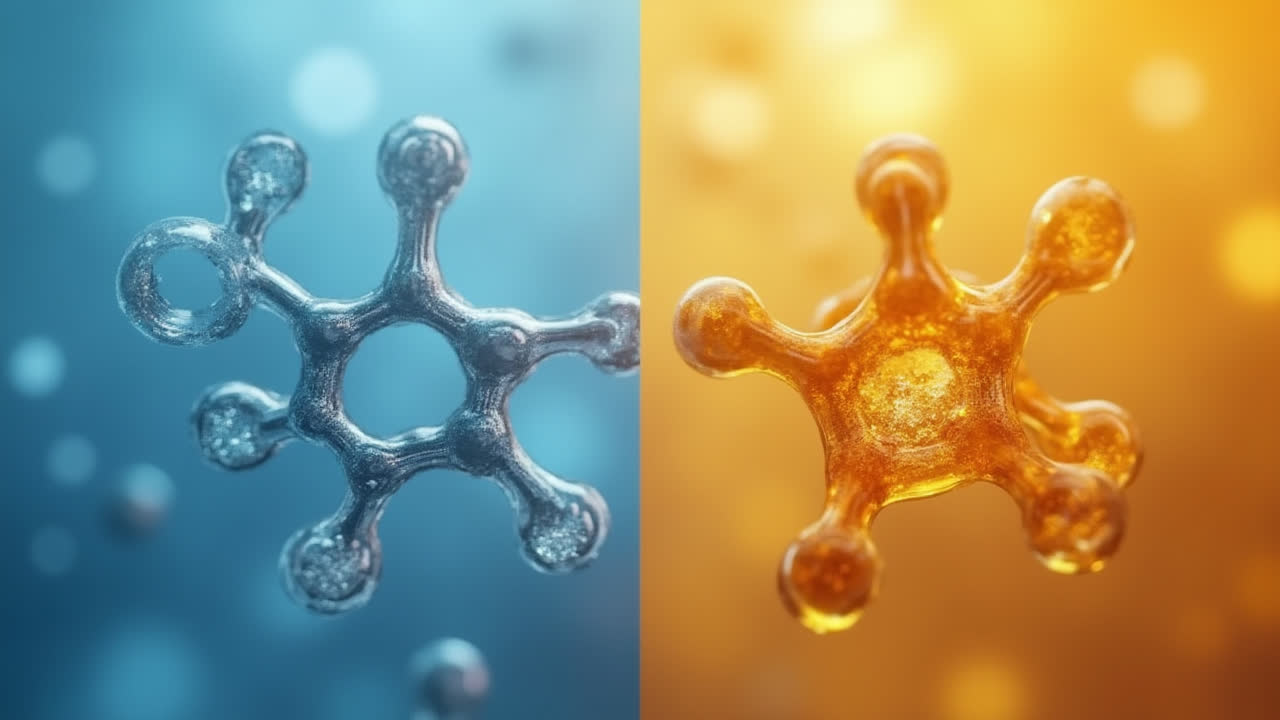
The fundamental difference between glucose 6 phosphate and fructose 6 phosphate lies in their core structures. While both are hexose sugars with phosphate groups attached at the 6th carbon position, their ring structures differ significantly. Glucose 6 phosphate maintains a six-membered ring structure (pyranose form), characteristic of glucose. In contrast, fructose 6 phosphate typically exists in a five-membered ring configuration (furanose form), reflecting the structural properties of fructose.
These structural distinctions result from differences in the position of the carbonyl group within each molecule. In glucose, the carbonyl group (aldehyde) is located at carbon-1, making it an aldose sugar. Fructose, however, has its carbonyl group (ketone) at carbon-2, classifying it as a ketose sugar. When I first learned about these structural differences, I was struck by how such seemingly minor variations could lead to dramatically different metabolic behaviors. It's remarkable how the slight repositioning of functional groups can create entirely distinct biochemical entities!
The different ring structures and carbonyl group positions affect how these molecules interact with enzymes and other cellular components. These subtle structural variations determine which enzymes can recognize and process each molecule, ultimately influencing their metabolic fates. The specificity of enzyme-substrate interactions ensures that glucose 6 phosphate and fructose 6 phosphate follow their appropriate metabolic pathways, maintaining the orderly progression of biochemical reactions necessary for cellular function.
Metabolic Roles and Pathways
The metabolic roles of glucose 6 phosphate and fructose 6 phosphate showcase both overlapping functions and distinct contributions to cellular metabolism. In glycolysis, glucose 6 phosphate appears first, later converting to fructose 6 phosphate as the pathway progresses. This sequential relationship highlights their interconnected nature in energy production. However, glucose 6 phosphate can uniquely enter the pentose phosphate pathway, generating NADPH for biosynthetic reactions and producing ribose-5-phosphate for nucleotide synthesis – options not directly available to fructose 6 phosphate.
Fructose 6 phosphate, on the other hand, occupies a critical position at a major regulatory junction in glycolysis. Its conversion to fructose 1,6-bisphosphate by phosphofructokinase-1 represents a committed step in the pathway, subject to extensive regulation by energy sensors like ATP, AMP, and citrate. This regulatory potential gives fructose 6 phosphate special significance in controlling the rate of glycolysis based on the cell's energy status. I've always thought of this step as the metabolic equivalent of crossing the Rubicon – once past this point, the sugar is destined to complete the glycolytic process.
In gluconeogenesis (the synthesis of glucose from non-carbohydrate precursors), both molecules appear as intermediates but in reverse order compared to glycolysis. Fructose 6 phosphate is generated from fructose 1,6-bisphosphate by the enzyme fructose 1,6-bisphosphatase, and then converted to glucose 6 phosphate. This pathway becomes especially important during fasting states when maintaining blood glucose levels is crucial. Additionally, both molecules contribute to glycogen metabolism, with glucose 6 phosphate serving as a direct precursor for glycogen synthesis, providing another example of their complementary yet distinct metabolic roles.
Cellular Significance and Regulatory Roles
Beyond their immediate roles in energy metabolism, glucose 6 phosphate and fructose 6 phosphate serve as important regulatory molecules that influence numerous cellular processes. Glucose 6 phosphate acts as a signaling molecule that regulates the activity of glycogen synthase and phosphorylase, key enzymes in glycogen metabolism. It also activates certain transcription factors involved in the expression of genes related to carbohydrate metabolism. In the liver, glucose 6 phosphate regulates glucose-6-phosphatase activity, which is crucial for maintaining blood glucose levels through hepatic glucose production.
Fructose 6 phosphate exerts its regulatory influence through its position in the glycolytic pathway and its involvement in the hexosamine biosynthetic pathway. In this latter pathway, a portion of fructose 6 phosphate is diverted to form glucosamine-6-phosphate, which ultimately leads to the production of UDP-N-acetylglucosamine, a substrate for protein glycosylation. This process affects the function of numerous proteins, including those involved in insulin signaling, potentially linking nutrient availability to insulin resistance when excessive. The branching of metabolic pathways at fructose 6 phosphate represents a fascinating example of how cells integrate nutritional status with cellular function.
Metabolic flexibility relies heavily on the proper regulation and availability of these phosphorylated intermediates. Their concentrations within cells serve as indicators of metabolic states, influencing enzymatic activities through allosteric mechanisms and affecting gene expression patterns through various signaling cascades. The balance between glucose 6 phosphate and fructose 6 phosphate levels reflects the metabolic priorities of the cell, with shifts in their relative amounts signaling changes in energy requirements or nutrient availability. The intricate regulatory networks involving these molecules ensure that cellular metabolism responds appropriately to changing physiological conditions.
Comprehensive Comparison: Glucose 6 Phosphate vs Fructose 6 Phosphate
| Characteristic | Glucose 6 Phosphate | Fructose 6 Phosphate |
|---|---|---|
| Chemical Structure | Aldose sugar with phosphate at C6; six-membered ring (pyranose) | Ketose sugar with phosphate at C6; five-membered ring (furanose) |
| Formation in Glycolysis | First step, formed from glucose by hexokinase | Second step, formed from glucose 6 phosphate by phosphoglucose isomerase |
| Alternative Metabolic Pathways | Pentose phosphate pathway, glycogen synthesis, gluconeogenesis | Hexosamine biosynthetic pathway, gluconeogenesis |
| Regulatory Significance | Regulates glycogen metabolism, pentose phosphate pathway flux | Substrate for rate-limiting enzyme in glycolysis (phosphofructokinase-1) |
| Cell Signaling Role | Influences glycogen synthase, phosphorylase, gene expression | Affects insulin signaling through hexosamine pathway |
| Enzyme Recognition | Recognized by glucose-6-phosphate dehydrogenase, phosphoglucomutase | Recognized by phosphofructokinase-1, fructose-1,6-bisphosphatase |
| Cellular Compartmentalization | Present in cytosol, endoplasmic reticulum | Primarily in cytosol |
| Role in Disorders | G6PD deficiency affects pentose phosphate pathway | Hereditary fructose intolerance involves fructose metabolism |
Frequently Asked Questions About Glucose 6 Phosphate and Fructose 6 Phosphate
Why is glucose 6 phosphate converted to fructose 6 phosphate in glycolysis?
Glucose 6 phosphate is converted to fructose 6 phosphate during glycolysis to prepare the molecule for subsequent reactions, particularly the critical phosphorylation by phosphofructokinase-1. This isomerization rearranges the sugar's structure, transforming it from an aldose to a ketose, which is necessary for the specific chemistry of later glycolytic steps. The conversion also positions the molecule at a key regulatory point in glycolysis, allowing cells to control energy production based on their metabolic needs. Without this conversion, the molecule couldn't proceed properly through the remaining steps of glycolysis to generate ATP and pyruvate.
What happens if there's a deficiency in processing glucose 6 phosphate or fructose 6 phosphate?
Deficiencies in processing these phosphorylated sugars can lead to various metabolic disorders. For instance, glucose-6-phosphate dehydrogenase (G6PD) deficiency affects the pentose phosphate pathway, reducing the cell's ability to produce NADPH and protect against oxidative stress. This condition is the most common human enzyme defect, affecting over 400 million people worldwide and causing hemolytic anemia when triggered by certain medications, infections, or foods. Problems with fructose metabolism, though not directly involving fructose 6 phosphate, include hereditary fructose intolerance, which can cause liver and kidney damage if fructose is consumed. Dysregulation of the pathways involving these intermediates can also contribute to conditions like diabetes and metabolic syndrome.
How do fructose 6 phosphate and glucose 6 phosphate influence energy production differently?
While both molecules participate in energy production through glycolysis, they influence the process differently due to their positions in the pathway. Glucose 6 phosphate represents the entry point of glucose into energy metabolism and can be diverted to alternative pathways like the pentose phosphate pathway, affecting the balance between energy production and biosynthetic processes. Fructose 6 phosphate, however, sits at a critical regulatory junction where its conversion to fructose 1,6-bisphosphate by phosphofructokinase-1 represents the committed step of glycolysis. This enzyme is highly regulated by energy indicators like ATP/AMP ratios, making fructose 6 phosphate metabolism the key control point for glycolytic flux. During high energy states, conversion of fructose 6 phosphate slows, while during low energy states, its metabolism accelerates to generate more ATP.
Conclusion
The seemingly subtle differences between glucose 6 phosphate and fructose 6 phosphate reveal the remarkable precision of cellular metabolism. These phosphorylated sugars, despite their structural similarities, fulfill distinct roles in the intricate network of biochemical pathways that sustain life. Their different ring structures, metabolic fates, and regulatory functions highlight how biochemical specificity underpins the complex operations of living cells.
Understanding the relationship between these molecules provides valuable insights into carbohydrate metabolism, energy production, and cellular regulation. From their formation during glycolysis to their participation in alternative pathways and regulatory processes, glucose 6 phosphate and fructose 6 phosphate exemplify the elegant complexity of biochemistry. The next time you enjoy a sugary treat, perhaps you'll spare a thought for these remarkable molecules working tirelessly in your cells, directing the fate of those sugar molecules through precise metabolic channels.
As research in biochemistry and molecular biology continues to advance, we may discover even more fascinating aspects of these phosphorylated intermediates and their roles in health and disease. Their involvement in metabolic disorders underscores their clinical relevance, while their position at the heart of energy metabolism highlights their fundamental importance to life itself. The story of glucose 6 phosphate and fructose 6 phosphate is truly one of nature's most elegant examples of molecular specialization and metabolic integration.