Glycolic Acid vs Hyaluronic Acid vs Retinol: Which is Right for Your Skin?
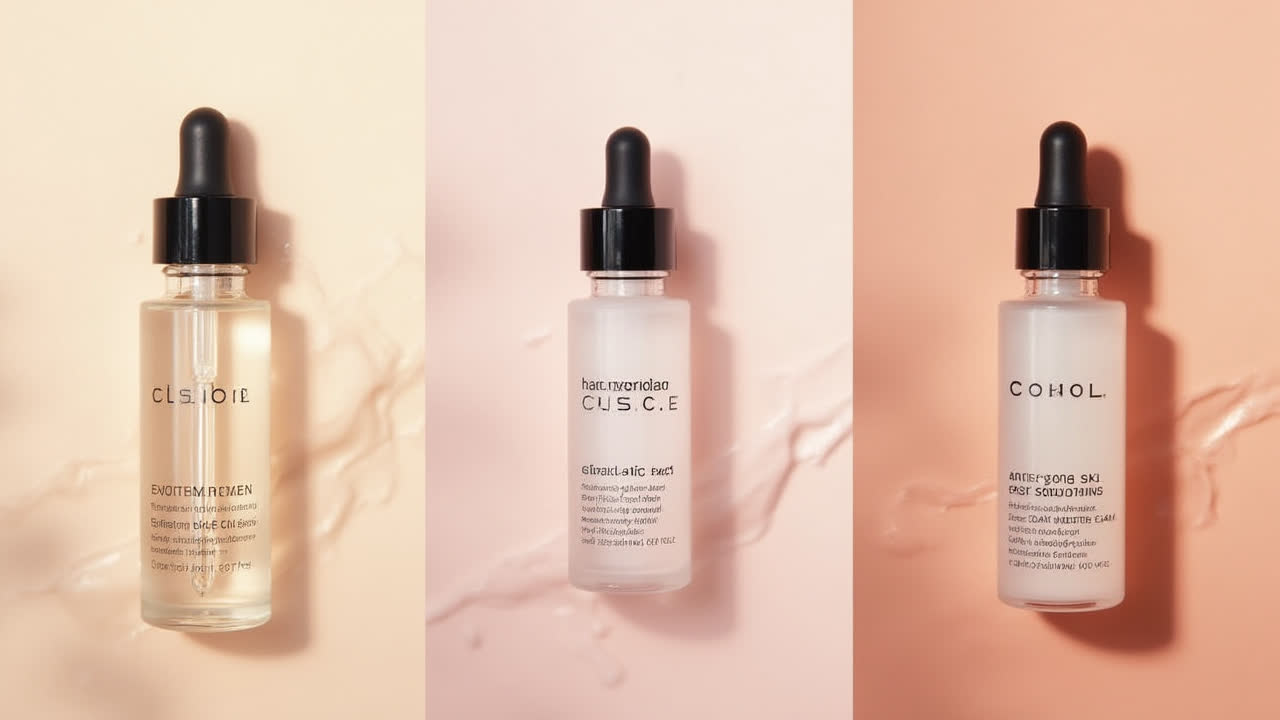
Are you confused about which skincare ingredient to add to your routine? You're not alone. The world of skincare can be overwhelming, especially when it comes to powerful ingredients like glycolic acid, hyaluronic acid, and retinol. Each serves a unique purpose and addresses different skin concerns, but understanding their differences is crucial for achieving your skin goals.
I remember when I first started building my skincare routine - the endless bottles and scientific names made my head spin! After years of trial and error (and yes, some unfortunate skin reactions), I've finally understood what makes these three powerhouse ingredients distinct. Let's dive into what sets glycolic acid, hyaluronic acid, and retinol apart and which might be right for your specific skin concerns.
Understanding Glycolic Acid: The Exfoliating Superstar
Glycolic acid belongs to the alpha hydroxy acid (AHA) family and is naturally derived from sugar cane, although it can also be found in grapes and various fruits. Discovered in the early 19th century by French chemist Auguste Laurent, it wasn't until the late 20th century that it became a skincare staple. What makes glycolic acid special? It has the smallest molecular size among AHAs, allowing it to penetrate the skin more effectively than its counterparts.
The primary benefit of glycolic acid is its remarkable ability to exfoliate the skin. It works by dissolving the bonds between dead skin cells, effectively removing the dull outer layer to reveal brighter, fresher skin underneath. Have you ever noticed how your skin looks instantly more radiant after using a glycolic acid product? That's the exfoliation magic at work!
Beyond exfoliation, glycolic acid also improves skin texture, reduces hyperpigmentation, unclogs pores, and can even help with mild acne. It's particularly effective for addressing uneven skin tone, sun damage, and fine lines. I've found that incorporating a glycolic acid toner into my routine twice weekly has made a noticeable difference in the brightness and texture of my skin - though I did have to build up tolerance gradually.
Surprisingly, despite its exfoliating properties, glycolic acid can actually improve skin hydration. By removing that barrier of dead skin cells, your moisturizing products can penetrate more deeply and work more effectively. It's like clearing a path for the rest of your skincare routine to shine!
Hyaluronic Acid: The Hydration Hero
Hyaluronic acid is a naturally occurring substance found in our bodies, particularly abundant in the skin, eyes, and connective tissues. Unlike glycolic acid, hyaluronic acid isn't actually an "acid" in the traditional sense - it doesn't exfoliate or cause any skin sensitivity. Instead, it's a humectant, meaning it draws and binds moisture.
What makes hyaluronic acid truly remarkable is its incredible water-retention capability. One molecule can hold up to 1,000 times its weight in water! Think of it as a molecular sponge for your skin. When applied topically, hyaluronic acid pulls moisture from the environment and locks it into your skin, creating a plumping effect that reduces the appearance of fine lines and wrinkles.
Unlike many active ingredients, hyaluronic acid is gentle enough for all skin types, even sensitive and acne-prone skin. It's non-irritating and can be used daily, both morning and night. In fact, it works wonderfully under makeup, creating a smooth, hydrated canvas. During winter months when my skin tends to get parched and flaky, layering a hyaluronic acid serum under my moisturizer has been nothing short of transformative.
One thing to keep in mind: hyaluronic acid works best in humid environments. If you live in a dry climate, you might want to apply it to damp skin and seal it with a moisturizer to prevent it from potentially drawing moisture out of your skin instead of from the air. I learned this the hard way after moving from humid Florida to drier Colorado - my trusted hyaluronic acid serum suddenly seemed less effective until I adjusted my application technique!
Retinol: The Anti-Aging Powerhouse
Retinol, a derivative of vitamin A, belongs to a family of compounds known as retinoids. While glycolic acid works primarily on the skin's surface and hyaluronic acid deals with hydration, retinol goes deeper, affecting cellular function and promoting skin renewal from within. It's like having a personal trainer for your skin cells!
The primary benefit of retinol is its ability to accelerate cell turnover, essentially teaching your skin to behave like younger skin. It also stimulates collagen production, which naturally decreases as we age. The result? Smoother texture, reduced fine lines and wrinkles, improved skin tone, and even help with acne. It's no wonder dermatologists often call retinol the gold standard in anti-aging skincare.
Unlike glycolic and hyaluronic acid, retinol requires some patience. Results typically take 8-12 weeks to become visible, and there's often an adjustment period (sometimes called "retinization") where your skin might experience dryness, flaking, or irritation. When I first started using retinol in my late twenties as a preventative measure, my skin definitely went through an awkward phase before it adjusted. Starting with a lower concentration and gradually increasing frequency helped tremendously.
It's worth noting that retinol makes your skin more sensitive to sun damage, so it's typically recommended for nighttime use only. And always, always follow with sunscreen during the day! This isn't just good advice - it's essential for preventing the very issues you're trying to address with retinol in the first place.
Comparison: Glycolic Acid vs Hyaluronic Acid vs Retinol
| Feature | Glycolic Acid | Hyaluronic Acid | Retinol |
|---|---|---|---|
| Classification | Alpha Hydroxy Acid (AHA) | Polysaccharide (sugar molecule) | Vitamin A derivative |
| Primary Function | Exfoliation | Hydration | Cell renewal & collagen production |
| Best For | Uneven texture, hyperpigmentation, dullness | Dehydration, fine lines from dryness | Wrinkles, fine lines, photoaging, acne |
| Skin Types | Normal to oily (can be irritating for sensitive skin) | All skin types, including sensitive | Most skin types, but requires adjustment period |
| When to Use | 1-3 times weekly, usually PM | Daily, AM and PM | Start 1-2 times weekly, build to nightly, PM only |
| Results Timeline | Immediate brightening; 2-4 weeks for other benefits | Immediate hydration | 8-12 weeks for visible results |
| Sun Sensitivity | Increases sun sensitivity | No effect on sun sensitivity | Significantly increases sun sensitivity |
| Can Be Used Together With | Hyaluronic acid, but not retinol on same day | Both glycolic acid and retinol | Hyaluronic acid, but not glycolic acid on same day |
How to Choose the Right Ingredient for Your Skin Concerns
Selecting between glycolic acid, hyaluronic acid, and retinol depends entirely on your skin's specific needs. Let's break it down by common skin concerns:
- For dullness and uneven texture: Glycolic acid should be your go-to. Its exfoliating properties will remove dead skin cells and reveal a brighter complexion underneath.
- For dehydration and tight-feeling skin: Hyaluronic acid is your best friend. Nothing pulls in moisture quite like this hydration superstar.
- For fine lines, wrinkles, and photoaging: Retinol will give you the most dramatic anti-aging results over time.
- For hyperpigmentation: Both glycolic acid and retinol can help, though they work differently. Glycolic acid removes darkened surface cells while retinol prevents the transfer of pigment.
- For acne: Both glycolic acid and retinol can be beneficial. Glycolic helps unclog pores, while retinol normalizes cell turnover to prevent future breakouts.
Here's the good news: you don't necessarily have to choose just one! Many skincare enthusiasts (myself included) successfully incorporate all three into their routines. The key is not using them all at the same time. For example, you might use hyaluronic acid every morning and evening, alternate between retinol and glycolic acid on different evenings, and always follow with sunscreen during the day.
Frequently Asked Questions
Can I use glycolic acid, hyaluronic acid, and retinol together?
Yes, but with some precautions. Hyaluronic acid can be used with either glycolic acid or retinol, as it's gentle and hydrating. However, you should avoid using glycolic acid and retinol on the same day as this combination can be too irritating for most skin types. A good approach is to use hyaluronic acid daily, while alternating between glycolic acid and retinol on different nights.
Which ingredient should I start with if I'm new to skincare?
If you're just beginning to build a skincare routine, hyaluronic acid is the most beginner-friendly option. It's gentle, suitable for all skin types, and provides immediate hydration benefits without risk of irritation. Once you've established a basic routine (cleanser, moisturizer, sunscreen, and hyaluronic acid), you can gradually introduce glycolic acid or retinol based on your specific skin concerns.
Do I need to use sunscreen with these ingredients?
Absolutely yes for glycolic acid and retinol, which make your skin more susceptible to sun damage. While hyaluronic acid doesn't increase sun sensitivity, using sunscreen is always recommended as part of a complete skincare routine. Daily sunscreen with SPF 30 or higher is essential for preventing premature aging and protecting your skin, especially when using active ingredients like glycolic acid and retinol.
The Bottom Line
Understanding the difference between glycolic acid, hyaluronic acid, and retinol allows you to make informed decisions about your skincare routine. While each ingredient has its unique strengths, they can work harmoniously together when used correctly.
Remember that consistency is key with skincare. These powerful ingredients can transform your skin, but only with regular use and patience. And don't forget that what works wonderfully for someone else might not work for you - skincare is deeply personal, and finding your perfect routine often requires some experimentation.
Have you incorporated any of these ingredients into your skincare routine? Which has made the biggest difference for your skin concerns? The journey to healthier skin is ongoing, but understanding these key ingredients is certainly a significant step forward!