Good vs Bad Cholesterol: Understanding The Key Differences
When you hear about cholesterol, it's often portrayed as something negative that clogs arteries and leads to heart attacks. But did you know there are actually different types of cholesterol in your body, and some are beneficial? Understanding the difference between good and bad cholesterol is crucial for maintaining heart health and preventing cardiovascular disease. This comprehensive guide breaks down everything you need to know about these two types of cholesterol, how they affect your body, and what you can do to maintain healthy levels.
What Is Cholesterol and Why Do We Need It?
Cholesterol is a waxy, fat-like substance that occurs naturally in all cells of our body. Despite its bad reputation, cholesterol is actually essential for normal bodily functions. It helps build cell membranes, produces hormones like estrogen and testosterone, aids in vitamin D production, and assists in the creation of bile acids that help digest fat.
Our liver produces about 80% of the cholesterol our body needs, while the remaining 20% comes from the foods we eat, particularly animal products like meat, dairy, and eggs. Have you ever wondered why your body makes something that could potentially harm it? Well, that's because cholesterol itself isn't the villain—it's all about balance and how it's transported through your bloodstream.
Since cholesterol doesn't dissolve in blood (which is water-based), it relies on special carriers called lipoproteins to travel through your bloodstream. These lipoproteins are like little taxis that transport cholesterol to where it needs to go. The two main types of these cholesterol carriers are High-Density Lipoproteins (HDL) and Low-Density Lipoproteins (LDL)—what we commonly refer to as "good" and "bad" cholesterol, respectively.
Good Cholesterol (HDL): The Protective Guardian
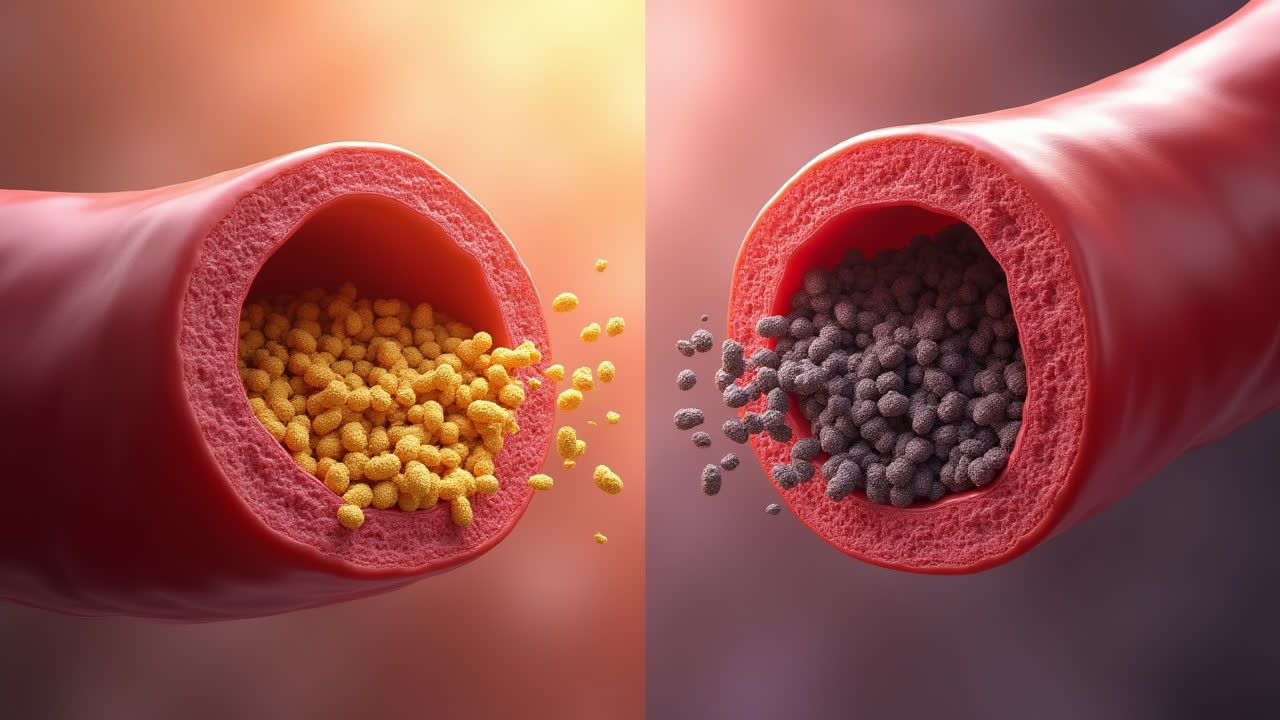
High-Density Lipoprotein, or HDL, earns its "good cholesterol" nickname because it acts like a cleanup crew for your arteries. HDL molecules scavenge excess cholesterol from your bloodstream and tissues, including the walls of your arteries, and transport it back to your liver. There, the cholesterol can be broken down and eliminated from your body or recycled for other uses.
Think of HDL as your body's internal recycling system for cholesterol. By removing excess cholesterol from places where it doesn't belong (like artery walls), HDL helps prevent the buildup of dangerous plaque that can lead to atherosclerosis—a condition where arteries become narrowed and less flexible. This protective function is why higher levels of HDL cholesterol are associated with a lower risk of heart disease and stroke.
Healthy HDL levels are generally considered to be 60 mg/dL or higher, with levels below 40 mg/dL for men or below 50 mg/dL for women being considered too low. I've seen patients dramatically improve their HDL levels through relatively simple lifestyle changes, which we'll discuss later in this article. One patient of mine increased his HDL from 35 to 52 mg/dL in just six months through a combination of regular exercise and dietary changes!
Bad Cholesterol (LDL): The Silent Threat
Low-Density Lipoprotein, or LDL, gets labeled as "bad cholesterol" because of what happens when there's too much of it circulating in your bloodstream. Unlike HDL, which removes cholesterol from your arteries, LDL delivers cholesterol to cells throughout your body. While this is necessary to a certain extent (remember, your cells need some cholesterol to function), problems arise when LDL levels become excessive.
When LDL cholesterol becomes oxidized—a process triggered by factors like smoking, high blood sugar, or high blood pressure—it can penetrate the lining of your arteries and become trapped. This triggers an inflammatory response, attracting immune cells that try to digest the trapped LDL particles. Over time, this creates a buildup called plaque, which narrows and stiffens your arteries in a condition known as atherosclerosis.
The danger of LDL cholesterol is that it can silently damage your arteries for years without causing any symptoms. You might feel perfectly healthy while plaque steadily accumulates in your arterial walls. Eventually, this can lead to serious cardiovascular problems like heart attacks and strokes if a piece of plaque ruptures or if an artery becomes so narrow that blood flow is severely restricted. That's why LDL is sometimes called "the silent killer"—it does its damage quietly until a potentially catastrophic event occurs.
For most adults, an optimal LDL level is less than 100 mg/dL, with levels above 160 mg/dL considered high. However, if you have other risk factors for heart disease, your doctor might recommend aiming for even lower LDL levels. A friend of mine who has a family history of heart disease maintains his LDL below 70 mg/dL on his doctor's recommendation, despite being otherwise healthy.
Key Differences Between HDL and LDL Cholesterol
| Comparison Point | Good Cholesterol (HDL) | Bad Cholesterol (LDL) |
|---|---|---|
| Full Name | High-Density Lipoprotein | Low-Density Lipoprotein |
| Particle Density | High density (more protein, less cholesterol) | Low density (less protein, more cholesterol) |
| Primary Function | Removes cholesterol from bloodstream and tissues | Delivers cholesterol to cells throughout the body |
| Effect on Arteries | Cleans arteries by removing excess cholesterol | Can build up on artery walls, forming plaque |
| Optimal Levels | 60 mg/dL or higher is beneficial | Less than 100 mg/dL is desirable |
| Risk Association | Higher levels associated with reduced heart disease risk | Higher levels associated with increased heart disease risk |
| Dietary Impact | Increased by healthy fats, exercise, moderate alcohol | Increased by trans fats, saturated fats, sedentary lifestyle |
| Transportation Direction | Transports cholesterol to liver for processing | Transports cholesterol from liver to cells |
Managing Your Cholesterol Levels
Now that we understand the difference between good and bad cholesterol, the obvious question is: how can we increase HDL (good) and decrease LDL (bad) cholesterol? The good news is that many lifestyle changes can positively affect both types simultaneously.
Diet plays a crucial role in managing cholesterol levels. Replacing saturated and trans fats with unsaturated fats can help lower LDL levels. This means eating fewer fatty meats, full-fat dairy products, and processed foods, while increasing consumption of foods like olive oil, avocados, nuts, and fatty fish like salmon. Adding soluble fiber to your diet through foods like oats, beans, and fruits can also help reduce LDL cholesterol by binding to it in your digestive system and removing it from your body.
Regular physical activity is another powerful tool for improving your cholesterol profile. Aim for at least 150 minutes of moderate-intensity exercise or 75 minutes of vigorous activity each week. Exercise helps increase HDL cholesterol while also helping with weight management, which can further improve your lipid profile. I started a walking routine three years ago—just 30 minutes daily—and saw my HDL rise by 8 points within a few months. The changes don't have to be dramatic to be effective!
Other lifestyle factors that can help maintain healthy cholesterol levels include avoiding tobacco smoke (which lowers HDL), limiting alcohol consumption to moderate levels (excessive drinking can raise LDL), and managing stress (which can affect behaviors that impact cholesterol, like eating unhealthy foods or skipping exercise). Maintaining a healthy weight is also important, as excess body fat, especially around the abdomen, can raise LDL and lower HDL levels.
When lifestyle changes aren't enough to achieve healthy cholesterol levels, medications may be necessary. Statins are the most commonly prescribed cholesterol-lowering drugs, and they work by reducing the amount of cholesterol your liver produces. Other medications include bile acid sequestrants, cholesterol absorption inhibitors, and PCSK9 inhibitors. Always consult with your healthcare provider before starting any medication regimen.
Frequently Asked Questions About Cholesterol
Can cholesterol levels be too low?
While we often focus on high cholesterol as a risk factor, extremely low levels of total cholesterol (below 160 mg/dL) may also pose health concerns for some individuals. Very low cholesterol has been associated with increased risk of hemorrhagic stroke, certain cancers, depression, and anxiety in some studies. However, these associations don't necessarily indicate causation, and for most people, the benefits of keeping LDL cholesterol low outweigh potential risks. If you're concerned about your cholesterol levels being too low, discuss this with your healthcare provider, who can evaluate your individual situation.
How often should I get my cholesterol checked?
For adults with no risk factors for heart disease, healthcare providers typically recommend cholesterol screening every 4-6 years, starting at age 20. However, more frequent testing may be necessary if you have risk factors such as family history of heart disease, high blood pressure, diabetes, smoking, or obesity. Adults over 40 or those taking cholesterol-lowering medications should get tested annually or as recommended by their doctor. Remember that cholesterol testing requires a simple blood test, usually after fasting for 9-12 hours, and measures total cholesterol, HDL, LDL, and triglycerides.
Can children have cholesterol problems?
Yes, children can have cholesterol issues, and childhood cholesterol problems are becoming more common with increasing rates of childhood obesity. Children with a family history of high cholesterol, heart disease, or certain genetic conditions may be at higher risk. The American Academy of Pediatrics recommends cholesterol screening for all children once between ages 9-11 and again between ages 17-21. For children with risk factors, testing may begin as early as age 2. Treatment for children primarily focuses on lifestyle changes, including a heart-healthy diet and regular physical activity. Medication is typically reserved for severe cases or when lifestyle modifications are insufficient.
Conclusion: Finding Balance for Heart Health
Understanding the difference between good and bad cholesterol is more than just knowing which numbers to watch on your lab results—it's about recognizing how these two types of cholesterol impact your cardiovascular health in opposite ways. While LDL cholesterol can build up in your arteries and increase your risk of heart disease, HDL cholesterol helps remove that harmful buildup and transport it to your liver for processing.
Rather than thinking of cholesterol as entirely "good" or "bad," it's helpful to view it as a system that needs to be in balance. Your body needs some cholesterol to function properly, but the key is having the right amounts of each type and ensuring they're being transported appropriately through your bloodstream.
By making heart-healthy choices in your daily life—eating a nutritious diet, staying physically active, avoiding smoking, and maintaining a healthy weight—you can positively influence your cholesterol levels and reduce your risk of cardiovascular disease. And remember, cholesterol management isn't a one-size-fits-all approach. Work with your healthcare provider to determine the best strategies for your individual situation, considering your overall health, family history, and lifestyle factors.
Have you had your cholesterol checked recently? If not, consider scheduling a lipid panel with your doctor, especially if you're over 20 or have risk factors for heart disease. Knowledge is power when it comes to your heart health, and understanding your cholesterol levels is an important step toward protecting your cardiovascular system for years to come.