How to Create Stable Transfected Cell Lines: A Complete Guide
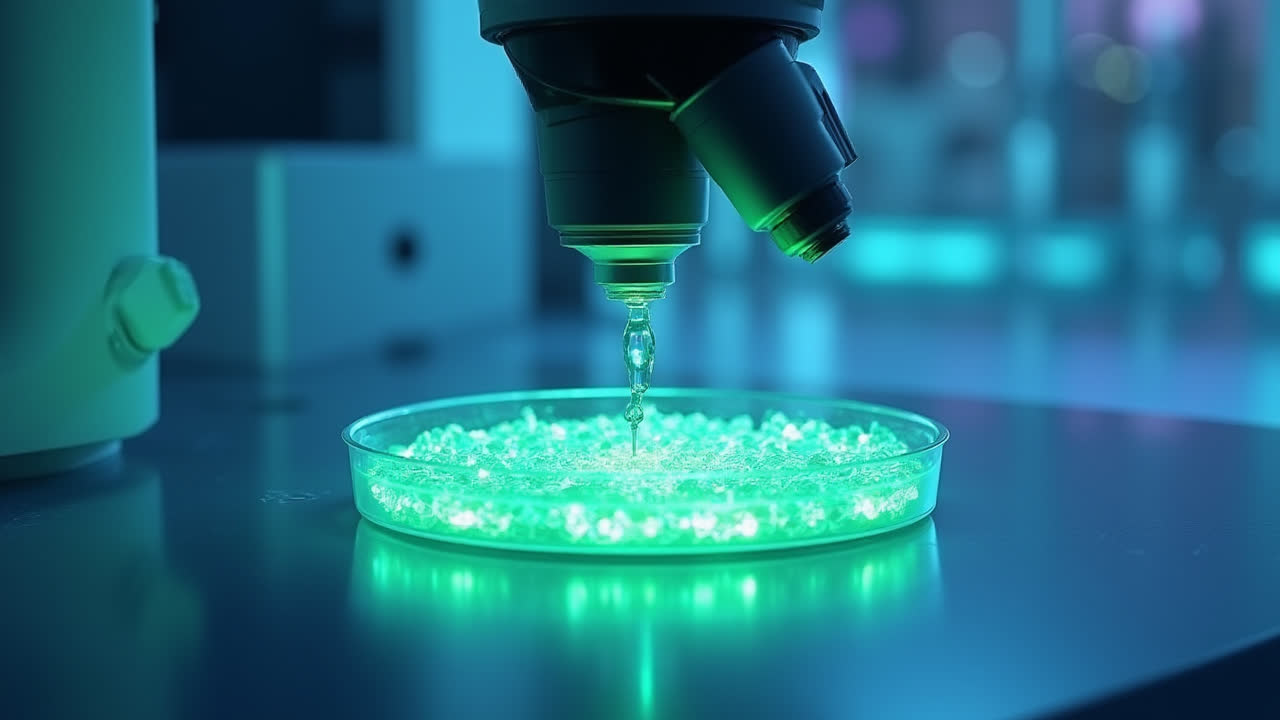
Have you ever wondered how scientists create cells that can permanently produce specific proteins or maintain genetic modifications through multiple generations? The answer lies in stable transfected cell lines. Unlike transient transfection, where genetic material is only temporarily introduced into cells, stable transfection allows for long-term expression of foreign DNA. I've worked with these systems for years, and they're absolutely fascinating!
Creating stable cell lines might seem daunting at first (it certainly was for me when I started), but with the right approach and understanding of the fundamental principles, it becomes a manageable and incredibly powerful technique. Whether you're looking to produce recombinant proteins, study gene function, or develop drug discovery assays, mastering stable transfection can revolutionize your research.
In this comprehensive guide, I'll walk you through everything you need to know about generating stable transfected cell lines. From understanding the basic concepts to selecting the right methods for your specific needs, we'll cover the entire process step by step. I remember my first successful stable line took three attempts, so don't worry if you don't get it right the first time! By the end of this article, you'll have the knowledge to create your own stable cell lines with confidence.
Understanding Stable Transfection: The Fundamentals
Before diving into the protocols, it's important to understand what stable transfection actually involves. Stable transfection refers to the permanent introduction of foreign DNA into cells in such a way that the genetic material is passed down to daughter cells during cell division. This differs significantly from transient transfection, where the introduced DNA remains in the cell temporarily and is eventually lost through dilution or degradation.
There are two primary mechanisms by which stable transfection can occur. The first and most common is through integration of the foreign DNA into the host cell's genome. This integration happens through a process called homologous recombination, where the transfected DNA finds matching sequences in the host genome and exchanges with them. The second mechanism is episomal maintenance, where the foreign DNA exists separately from the chromosomal DNA but is still replicated and segregated during cell division.
I remember working with a particularly tricky cell line that resisted genomic integration. After weeks of frustration, we switched to an episomal approach, and suddenly everything worked! That experience taught me that flexibility in approach is key when developing stable cell lines. Sometimes what works in textbooks doesn't work in your specific cells.
The choice between these two mechanisms depends largely on your experimental needs. Genomic integration typically offers more stable, long-term expression, although the site of integration can affect expression levels. Episomal maintenance, while sometimes less stable, avoids potential disruption of host genes and position effects that can occur with integration. However, episomal maintenance is limited to certain cell types and requires specific vector elements.
Two Main Types of Stable Cell Line Generation
Genomic Integration Method
Integration into the genome is the classic approach for creating stable cell lines. When foreign DNA is introduced into cells, a small percentage will naturally integrate into the host genome. This integration is relatively rare, occurring in perhaps 0.001-1% of transfected cells, which is why selection methods are essential (more on that later). Once integrated, the foreign gene becomes part of the host cell's DNA and is replicated along with it during cell division.
The location where integration occurs is mostly random, though it can be influenced by various factors including DNA sequence, chromatin structure, and the presence of specific recombination sites. This randomness can be both an advantage and a disadvantage. On one hand, it means you can generate multiple cell lines with varying expression levels. On the other hand, it introduces variability that can complicate experiments requiring consistent expression. I've created integration lines where expression varied 10-fold between clones from the same transfection – something to keep in mind when planning your experiments!
Advanced techniques like CRISPR-Cas9 and TALEN have made it possible to target specific genomic locations for integration, allowing for more precise control over where your gene of interest is inserted. These site-specific integration methods can help minimize variability and position effects, though they may require more sophisticated molecular biology tools and expertise. I've found that for most applications, random integration works fine if you're willing to screen a few clones, but targeted approaches can save time in the long run for complex projects.
Episomal Maintenance Method
The episomal approach involves using specialized vectors that can replicate independently of the host genome. These vectors typically contain origin of replication sequences that allow them to be duplicated during cell division. Additionally, they often include elements that facilitate their segregation to daughter cells, ensuring they're not lost during mitosis.
Common episomal systems include those based on viral elements, such as the Epstein-Barr virus (EBV) nuclear antigen 1 (EBNA1) and oriP elements, or the SV40 large T antigen and origin of replication. These systems can work exceptionally well in certain cell types but may be less effective in others. For instance, I've had great success with EBV-based systems in lymphocytes but struggled to get them working efficiently in primary fibroblasts.
One significant advantage of episomal systems is that they avoid potential disruption of host genes that can occur with random integration. They also typically yield more consistent expression levels across a population of cells. However, episomal maintenance generally requires continuous selection pressure to prevent loss of the vector over time, and as mentioned earlier, not all cell types can efficiently maintain episomal DNA. I've found that for long-term studies spanning months, genomic integration is often more reliable, while episomal systems excel for shorter-term experiments where consistency is paramount.
Step-by-Step Protocol for Creating Stable Transfected Cell Lines
Now that we understand the theory, let's dive into the practical steps for generating stable transfected cell lines. I'll outline the process I've refined over years of lab work, including some tricks that aren't always found in standard protocols.
Step 1: Generating a Kill Curve for Antibiotic Selection
Before you even begin transfection, you need to determine the optimal concentration of selection antibiotic for your specific cell line. This is done by creating what's called a "kill curve." Plate your untransfected cells and treat them with increasing concentrations of your selection antibiotic (common choices include G418/neomycin, puromycin, hygromycin, or zeocin). Monitor the cells over 7-10 days to identify the minimum concentration that kills all untransfected cells within this timeframe.
I've found that cells can vary dramatically in their sensitivity to antibiotics. For example, HEK293 cells might die at 500 μg/ml of G418, while some primary cells might only need 100 μg/ml. It's always better to do this step properly rather than relying on literature values, as even the same cell line can vary between labs. One time I skipped this step and used a "standard" concentration from a paper, only to find that all my cells survived – including the untransfected ones! Lesson learned.
Step 2: Preparing Your DNA Construct
Your plasmid construct should contain your gene of interest and a selection marker, either on the same vector (cis) or on separate vectors (trans). Ensure your construct has been verified by sequencing and is of high quality (endotoxin-free preparation is recommended for sensitive cell lines). The vector backbone should be appropriate for your goals – some are optimized for high expression, others for stability, and some for specific cell types.
For genomic integration, linearizing your plasmid can increase integration efficiency. This involves cutting the plasmid with a restriction enzyme that cuts once, preferably in a non-essential region like the bacterial origin of replication. I've seen integration rates increase 2-5 fold with linearized constructs compared to circular plasmids. Just make sure you don't cut within your gene of interest or essential elements!
Step 3: Transfection of Target Cells
The method of transfection depends largely on your cell type. For adherent cell lines, lipid-based transfection reagents like Lipofectamine or FuGENE often work well. For suspension cells or those resistant to lipofection, electroporation might be more effective. Viral methods, particularly lentiviral systems, can be used for difficult-to-transfect cells.
Optimize transfection conditions using a reporter gene like GFP before attempting your actual stable transfection. Parameters to optimize include cell density at transfection, DNA:transfection reagent ratio, and recovery time before selection. I typically aim for 60-80% confluency at transfection for adherent cells, as I've found this balances transfection efficiency with cell health.
Step 4: Selection of Stably Transfected Cells
Begin selection 24-72 hours after transfection, depending on your cell type and the expression timing of your selection marker. Add the previously determined optimal concentration of selection antibiotic to your cultures. During the first week of selection, you'll observe massive cell death as untransfected cells are eliminated. Be patient – this is normal!
Maintain selection pressure and change media regularly to remove dead cells. After 1-3 weeks (depending on cell type and selection method), resistant colonies should begin to appear. These are your potential stable transfectants. I've sometimes been tempted to rush this process, but giving cells adequate time under selection is crucial for eliminating false positives.
Step 5: Isolation and Expansion of Clonal or Polyclonal Populations
You now have two options: isolate individual colonies to establish clonal cell lines, or pool all resistant cells to create a polyclonal population. Clonal isolation gives more consistent expression but requires more work and screening. Polyclonal populations are quicker to establish but may show more variable expression.
For clonal isolation, methods include dilution cloning (seeding cells at limiting dilution), cloning rings (physically isolating colonies), or fluorescence-activated cell sorting (FACS) if your construct includes a fluorescent marker. I prefer FACS when possible, as it allows selection based on expression level, but cloning rings are a reliable low-tech alternative that's worked well for me over the years.
Step 6: Verification and Characterization
Once you've isolated your stable transfectants, verify that they express your gene of interest. Methods include western blotting, qPCR, immunofluorescence, or functional assays specific to your protein. Also confirm that expression remains stable over multiple passages by testing cells at different passage numbers.
I always freeze down early-passage stocks of my verified stable cell lines. Nothing is more frustrating than losing months of work because cells were contaminated or accidentally discarded! I typically create at least three frozen vials of each verified line as soon as possible.
Selection Methods for Identifying Stably Transfected Cells
The selection process is crucial for identifying cells that have successfully integrated your construct. Let's explore different selection methods and their applications in more detail.
Antibiotic Selection
Antibiotic resistance is the most common selection method for stable cell lines. Your plasmid typically includes a gene encoding an enzyme that inactivates a specific antibiotic, allowing transfected cells to survive while untransfected cells die. Common antibiotic resistance markers include:
- Neomycin resistance gene (neo): Confers resistance to G418 (Geneticin)
- Puromycin resistance gene (pac): Confers resistance to puromycin
- Hygromycin resistance gene (hph): Confers resistance to hygromycin B
- Zeocin resistance gene (Sh ble): Confers resistance to zeocin
- Blasticidin resistance gene (bsr): Confers resistance to blasticidin S
I've worked with all these selection agents, and each has its advantages. Puromycin works quickly (often killing untransfected cells within 2-3 days) but can be expensive for large-scale work. G418 is economical but typically takes longer to act. The choice often depends on your cell type, timeline, and budget. I generally prefer puromycin for quick results and G418 for long-term projects.
Metabolic Selection
Metabolic selection involves complementing a metabolic deficiency in specialized host cells. For example:
- DHFR system: Uses DHFR-deficient CHO cells and a DHFR gene on your expression vector
- Glutamine synthetase (GS) system: Uses GS-deficient cells and a GS gene for selection
- HAT selection: Selects for cells expressing HGPRT in HGPRT-deficient cells
These systems can achieve very high expression levels, especially when combined with gene amplification using methotrexate (for DHFR) or methionine sulfoximine (for GS). The pharmaceutical industry frequently uses these systems for producing therapeutic proteins because they can generate extremely high-producing cell lines. They're more complex to set up than antibiotic selection but can be worth it for production applications.
Fluorescence-Based Selection
Including a fluorescent marker like GFP in your construct allows selection based on fluorescence. Cells expressing your construct can be isolated using fluorescence-activated cell sorting (FACS). This method has several advantages:
- It allows selection based on expression level (low, medium, or high expressors)
- No toxic selection agents are required
- Selection can be much faster than antibiotic selection
- Expression can be monitored visually over time
I've found fluorescence-based selection particularly useful when working with primary cells that are sensitive to antibiotics or when rapid isolation is important. The main drawback is the need for access to a cell sorter, which isn't available in all labs. A workaround I've used is combining fluorescence with antibiotic selection – use antibiotic to enrich for transfected cells, then use fluorescence to isolate the highest expressors.
Comparison of Stable Transfection Methods
| Feature | Genomic Integration | Episomal Maintenance |
|---|---|---|
| Long-term stability | High - integrated into chromosomal DNA | Moderate - depends on selection pressure |
| Expression consistency | Variable due to position effects | More consistent across population |
| Risk of disrupting host genes | Yes - random integration can affect host genes | No - exists separately from genome |
| Cell type limitations | Works in almost all dividing cells | Limited to certain cell types |
| Selection requirement | Initial selection only | Continuous selection typically needed |
| Ease of retrieval of construct | Difficult - integrated into genome | Easy - exists as separate element |
| Copy number | Usually low (1-10 copies) | Can be high (10-100+ copies) |
| Time to establish | Longer (3-6 weeks typically) | Shorter (2-4 weeks typically) |
Applications of Stable Transfected Cell Lines
Stable cell lines have become indispensable tools in modern biotechnology and biomedical research. Their applications span numerous fields and continue to expand as technology advances. Here are some of the major applications where I've seen stable cell lines make significant impacts:
Protein Production
One of the most common applications of stable cell lines is the production of recombinant proteins for research, therapeutic, or industrial purposes. Unlike transient systems, stable cell lines can produce proteins consistently over long periods, making them ideal for scaled-up production. The biopharmaceutical industry relies heavily on stable CHO, HEK293, and NS0 cell lines for producing monoclonal antibodies, enzymes, growth factors, and other therapeutic proteins.
I worked with a biotech company that used an optimized CHO cell line to produce a therapeutic antibody. By carefully selecting high-producing clones and optimizing culture conditions, they achieved yields of over 5 g/L – a dramatic improvement over earlier production systems. The consistency of production from these stable lines also meant more uniform product quality, which is crucial for therapeutic applications.
Gene Function Studies
Stable cell lines expressing or silencing specific genes provide powerful models for studying gene function. By creating lines that overexpress, express mutant versions, or knock down genes of interest, researchers can observe the long-term effects on cellular phenotypes. This approach is particularly valuable for studying genes involved in cell differentiation, cancer progression, or other processes that develop over extended periods.
I remember working on a project investigating a potentially oncogenic mutation. We created stable lines expressing either wild-type or mutant versions of the gene and tracked changes in cell behavior over months. The stable expression allowed us to observe subtle effects that wouldn't have been apparent in transient systems, ultimately revealing that the mutation affected cell migration pathways only after prolonged expression.
Drug Discovery and Development
Stable cell lines expressing disease-relevant targets or reporter systems are essential tools in drug discovery. These cell-based assays allow for high-throughput screening of compound libraries to identify potential therapeutic candidates. Because stable lines provide consistent expression over time, they produce more reliable screening results compared to transiently transfected cells.
In one collaboration with a pharmaceutical company, we developed a stable line expressing a GPCR of interest coupled to a calcium-sensitive reporter. This system allowed the screening of over 100,000 compounds, eventually identifying several promising lead compounds that would have been missed using less sensitive detection methods. The stability of expression was crucial for maintaining assay consistency throughout the lengthy screening process.
Disease Modeling
Stable cell lines can model aspects of human diseases, providing platforms for studying disease mechanisms and testing potential treatments. For example, lines expressing mutated versions of disease-associated genes can recapitulate cellular phenotypes observed in patients. These disease models are particularly valuable when patient samples are limited or when studying conditions that develop over long periods.
I was involved in creating a stable neuronal cell line expressing a mutant protein associated with a neurodegenerative disorder. This model allowed us to study how the mutation affected protein folding, cellular stress responses, and eventually led to cell death – processes that took weeks to develop and would have been impossible to study using transient expression systems.
Synthetic Biology and Metabolic Engineering
In the emerging field of synthetic biology, stable cell lines expressing multiple engineered genetic circuits are being used to create cells with novel functions. Similarly, metabolic engineering uses stable expression of enzymes to create cells that can produce valuable compounds or perform bioremediation. These applications often require the stable expression of multiple genes in precise ratios, making well-characterized stable cell lines essential.
A fascinating project I observed involved engineering yeast cells to produce artemisinic acid, a precursor to the antimalarial drug artemisinin. This required the stable integration of a pathway containing genes from several different organisms. Only through stable expression could the researchers achieve the balanced enzyme levels needed for efficient production.
Frequently Asked Questions About Stable Transfected Cell Lines
How long does it take to generate a stable transfected cell line?
The timeline for generating a stable transfected cell line typically ranges from 4-12 weeks, depending on several factors. The process includes transfection (1 day), initial selection (1-3 weeks), clonal isolation (1-2 weeks), expansion of clones (1-3 weeks), and characterization (1-3 weeks). Faster-growing cell lines like HEK293 will be on the shorter end of this range, while slow-growing cell lines or primary cells may take longer. Using polyclonal populations instead of isolating single clones can shorten the process by 2-3 weeks but may result in more variable expression.
Why is my stable cell line losing expression over time?
Loss of expression in stable cell lines can occur for several reasons. The most common causes include: 1) Silencing of the integrated transgene through epigenetic mechanisms like DNA methylation or histone modifications, especially when using strong viral promoters; 2) Selective pressure against cells expressing your protein if it has growth-inhibitory effects; 3) Genetic instability in the region of integration; 4) Loss of episomal vectors if selection pressure is removed. To minimize expression loss, maintain selection pressure, use mammalian promoters less prone to silencing (like EF1α or CAG instead of CMV), include insulator elements in your construct, and periodically re-select or sort for expressing cells. In some cases, adding chromatin modifiers like sodium butyrate can temporarily restore expression.
What's the difference between monoclonal and polyclonal stable cell lines?
Monoclonal stable cell lines originate from a single transfected cell, resulting in a homogeneous population where all cells have the transgene integrated at the same genomic location(s). This provides consistent expression levels across the population and between experiments. Polyclonal stable cell lines are derived from a pool of successfully transfected cells, each potentially having different integration sites and copy numbers. The main advantage of polyclonal lines is faster generation time and potentially higher overall expression if you're interested in total protein yield rather than consistent cellular behavior. However, they show more cell-to-cell variability and may change over time as faster-growing subpopulations take over. For mechanistic studies where consistent expression is crucial, monoclonal lines are typically preferred. For protein production where total yield is the priority, polyclonal lines may be sufficient and save considerable development time.
Conclusion: Mastering Stable Cell Line Development
Creating stable transfected cell lines is a fundamental technique that opens up countless possibilities in biotechnology and biomedical research. Though the process requires patience and careful attention to detail, the reward is a powerful research tool that can express your gene of interest consistently for months or even years.
As we've explored, there are multiple approaches to generating stable lines, each with its advantages and challenges. Whether you choose genomic integration or episomal maintenance depends on your specific research needs, cell type, and desired expression characteristics. Similarly, the selection method you employ—be it antibiotic resistance, metabolic selection, or fluorescence-based sorting—should be tailored to your experimental system.
Remember that troubleshooting is an inevitable part of the process. Even with the most carefully planned protocols, you may encounter challenges like low transfection efficiency, poor expression, or expression loss over time. The key is to approach these challenges systematically, drawing on the principles we've discussed and adjusting your methods accordingly.
I've found that keeping detailed records of your protocols, including exact cell densities, reagent concentrations, and timelines, is invaluable for reproducing successful results and troubleshooting issues. Don't be discouraged if your first attempt doesn't yield the perfect stable line—each cell type and construct combination can require optimization.
With practice and persistence, you'll develop the expertise to create stable cell lines that meet your specific research needs, opening up new avenues for long-term studies, reliable assays, and consistent protein production. And isn't that what makes science so rewarding? The ability to build tools that help us uncover the mysteries of biology, one stable cell line at a time.