Interstate vs Intrastate: Key Differences You Need to Know
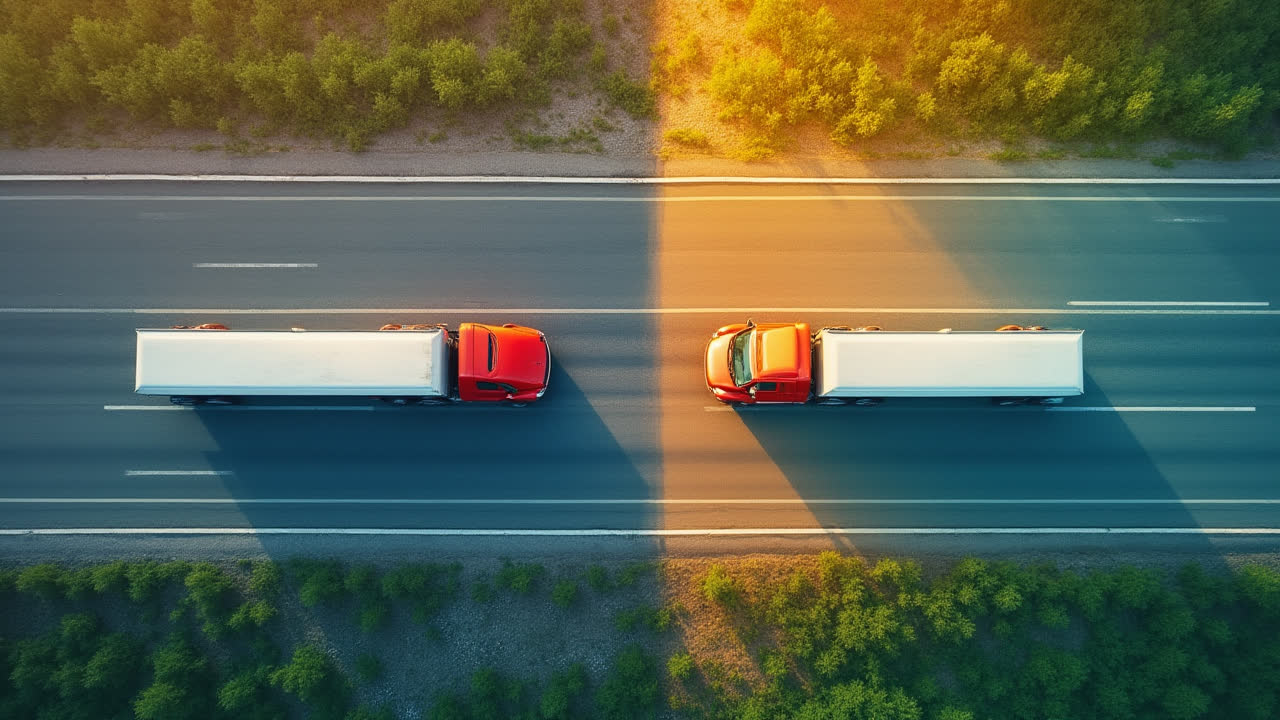
What is Interstate? Definition and Real-World Applications
The term interstate refers to activities, commerce, or transportation that occurs between or among two or more states. When you drive from California to Nevada, you're engaging in interstate travel. When a business ships products from New York to Florida, that's interstate commerce. These activities cross state boundaries and therefore fall under different regulations than activities that stay within a single state.
I've personally experienced the distinction while driving cross-country from Washington to Texas. As I crossed each state line, I noticed different highway patrol vehicles and occasionally different speed limits or traffic laws. This firsthand experience highlighted how interstate travel subjects you to multiple jurisdictions and regulatory frameworks.
Interstate activities are primarily regulated at the federal level to ensure consistency across state lines. The Interstate Commerce Clause in the U.S. Constitution gives Congress the power to regulate commerce "among the several states." This has led to the creation of federal agencies like the Interstate Commerce Commission (though now defunct) and the Department of Transportation, which oversee various aspects of interstate commerce and transportation.
For businesses operating across state lines, interstate status means dealing with multiple state tax systems, obtaining various licenses and permits, and navigating different state-specific regulations. A company based in Minnesota selling products to customers in Wisconsin and Iowa must comply with the tax laws and business regulations of all three states. This complexity often requires specialized knowledge and resources, making interstate business operations more challenging but potentially more lucrative due to the expanded market reach.
What is Intrastate? Definition and Practical Examples
In contrast, intrastate refers to activities that occur entirely within the boundaries of a single state. When you commute to work within your home state, that's intrastate travel. When a local bakery sells bread to customers in the same state, that's intrastate commerce. These activities never cross state lines and are primarily governed by state laws rather than federal regulations.
Consider a scenario I witnessed while consulting for a small business in Oregon. The company delivered products exclusively to Oregon customers, making it an intrastate operation. Their compliance requirements were simpler because they only needed to understand and follow Oregon's business regulations, taxation rules, and transportation laws. The owner once mentioned how grateful she was to avoid the complexities her competitor faced after expanding to Washington and California.
Intrastate commerce and transportation generally fall under the jurisdiction of state regulatory bodies. Each state has its own department of transportation, tax agency, and business regulatory framework that governs activities within its borders. While these activities must still comply with certain federal standards, state-level regulations play a much more prominent role in governing intrastate operations.
For trucking companies, for instance, intrastate operations mean their drivers can operate under the hours-of-service regulations specific to their state rather than the federal regulations that apply to interstate drivers. This sometimes allows for more flexibility in scheduling and operations, though it's worth noting that many states adopt federal standards for consistency and safety reasons.
Interstate Characteristics
- Crosses state boundaries
- Primarily governed by federal regulations
- Requires multi-state compliance
- Often involves interstate highway systems
- Subject to the Interstate Commerce Clause
Intrastate Characteristics
- Remains within a single state
- Primarily governed by state regulations
- Requires compliance with one state's laws
- Uses both state highways and local roads
- Subject to state commerce regulations
Comprehensive Comparison: Interstate vs Intrastate
| Comparison Point | Interstate | Intrastate |
|---|---|---|
| Definition | Activities involving two or more states | Activities occurring within a single state |
| Regulatory Authority | Primarily federal agencies | Primarily state agencies |
| Business Authorization | Requires permission from all involved states | Requires permission only from the operating state |
| Taxation Complexity | Subject to multiple state tax systems | Subject to single state tax system |
| Transportation Example | Trucking from New York to California | Delivery service operating only in Texas |
| Commerce Example | Online retailer shipping nationwide | Local store serving in-state customers only |
| Legal Jurisdiction | Federal courts often have jurisdiction | State courts typically have jurisdiction |
| Market Size | Potentially larger customer base | Limited to in-state customers |
The Impact of Interstate vs Intrastate on Transportation
The distinction between interstate and intrastate has profound implications for the transportation industry. Interstate transportation operations must comply with federal regulations established by the Department of Transportation, including the Federal Motor Carrier Safety Administration (FMCSA) for trucking companies. These regulations cover aspects such as driver qualification, vehicle maintenance, hours of service, and safety standards.
A truck driver friend once told me about his experiences shifting from intrastate to interstate routes. He described how the change meant complying with stricter federal hours-of-service regulations, maintaining a different class of commercial driver's license, and dealing with weight and dimension requirements that varied from state to state. His company also had to obtain additional operating authority and insurance coverage to conduct interstate operations legally.
Interstate highways themselves form a vital network for cross-country commerce and travel. The Interstate Highway System, officially named the Dwight D. Eisenhower National System of Interstate and Defense Highways, spans over 48,000 miles and connects major cities across the United States. These highways are designed to federal specifications and receive federal funding, highlighting the national interest in facilitating interstate movement.
Intrastate transportation, while still subject to some federal safety standards, primarily follows state-specific regulations. States have their own transportation departments that establish and enforce rules for intrastate carriers. These might include state-specific weight limits, operating hours, and permit requirements. For smaller transportation companies that operate solely within state lines, this can sometimes mean less regulatory burden, though safety standards remain stringent regardless of interstate or intrastate status.
Interstate vs Intrastate Business: Legal and Regulatory Considerations
For businesses, understanding the distinction between interstate and intrastate operations is crucial for proper compliance and strategic planning. Interstate businesses must register in each state where they conduct significant business activities, often through a process called "foreign qualification." This involves obtaining a certificate of authority from each state's secretary of state or similar office.
Tax implications represent another major consideration. Interstate businesses may face nexus determination in multiple states, triggering sales tax collection obligations, income tax filing requirements, and other tax-related responsibilities. The complexity of managing multiple state tax regimes can be substantial, especially for small to medium-sized businesses without dedicated tax departments.
During my time working with a startup e-commerce platform, I observed firsthand how the founder struggled with interstate compliance issues after their business grew beyond state lines. What began as a simple intrastate operation quickly evolved into a complex interstate business requiring multi-state tax registrations, varying employment law compliance, and different consumer protection adherence in each state they served.
Intrastate businesses, while still subject to regulation, typically face a more streamlined compliance landscape. They need to understand and follow only one state's business laws, tax requirements, and regulatory framework. This simplicity can be advantageous, especially for small businesses with limited administrative resources. However, it also means market limitations that may constrain growth potential compared to interstate operations.
Frequently Asked Questions About Interstate vs Intrastate
How does the distinction between interstate and intrastate affect trucking licenses?
Interstate trucking operations require federal Department of Transportation (DOT) numbers and often need Motor Carrier (MC) numbers for transporting regulated commodities across state lines. Drivers must maintain Commercial Driver's Licenses (CDLs) that comply with federal standards. In contrast, intrastate trucking operations only need state-issued DOT numbers and must comply with state-specific regulations, which might be less stringent in some cases but can also include additional state-specific requirements not found in federal regulations.
Can a business be both interstate and intrastate simultaneously?
Yes, many businesses operate both interstate and intrastate components. For example, a manufacturing company might sell products to customers within its home state (intrastate commerce) while also shipping goods to buyers in other states (interstate commerce). In such cases, the business must comply with both state regulations for its intrastate activities and federal regulations for its interstate operations. This dual status requires careful tracking of which transactions fall under which regulatory framework to ensure proper compliance across all business activities.
How does e-commerce impact the interstate vs intrastate distinction?
E-commerce has significantly blurred the lines between interstate and intrastate commerce. Online retailers, even small ones operating from a single location, often sell to customers nationwide or globally, automatically engaging in interstate commerce. This has led to complex legal questions about state tax collection obligations, as highlighted by the landmark Supreme Court case South Dakota v. Wayfair (2018), which allowed states to require out-of-state sellers to collect and remit sales tax even without a physical presence in the state. E-commerce businesses must now navigate a complex web of state-specific economic nexus thresholds that determine their interstate tax obligations.
Conclusion: Navigating the Interstate-Intrastate Landscape
Understanding whether your activities fall under interstate or intrastate classification is essential for proper compliance with applicable laws and regulations. For transportation companies, this distinction affects licensing requirements, safety standards, and operational parameters. For businesses, it impacts tax obligations, registration requirements, and regulatory compliance across multiple domains.
As commerce becomes increasingly digitized and supply chains grow more complex, the lines between interstate and intrastate activities continue to evolve. Businesses and individuals must stay informed about these distinctions and how they apply to specific situations. When in doubt, consulting with legal professionals who specialize in transportation law or multi-state business compliance can provide valuable guidance tailored to your particular circumstances.
Whether you're planning a cross-country road trip, launching an online business, or expanding your existing company into new states, knowing the difference between interstate and intrastate will help you navigate the regulatory landscape more effectively and avoid potential compliance pitfalls along the way.