JVM vs CLR: Complete Comparison Guide for Developers
What Is JVM (Java Virtual Machine)?
The Java Virtual Machine acts as the backbone of the Java ecosystem, providing a runtime environment where Java bytecode can execute across different platforms. Developed by Sun Microsystems (now owned by Oracle), JVM serves as an abstract computing machine that enables Java's famous "write once, run anywhere" capability. But how exactly does it work?
When you write a Java program, the source code gets compiled into an intermediate representation called bytecode. This bytecode isn't directly executable by your computer's processor. Instead, JVM interprets or compiles this bytecode into machine code that's specific to your operating system and hardware. This clever abstraction layer is what makes Java platform-independent while the JVM itself remains platform-dependent.
JVM handles numerous responsibilities beyond just code execution. It manages memory allocation, performs garbage collection to reclaim unused memory, enforces security policies, and provides a standardized set of libraries that ensure consistent behavior across different platforms. Have you ever wondered why your Java applications can run on Windows, Mac, and Linux without modification? That's the magic of JVM at work!
The architecture of JVM consists of several components working in harmony: class loader (responsible for loading class files), execution engine (that executes instructions), garbage collector (that manages memory), and runtime data areas (where information is stored during execution). This well-designed structure has evolved over decades, making modern JVM implementations highly optimized and efficient despite the additional abstraction layer.
What Is CLR (Common Language Runtime)?
The Common Language Runtime represents Microsoft's approach to managed code execution within the .NET framework. Similar to JVM, CLR provides a runtime environment but with some distinct architectural differences and design philosophies. If JVM is Java's engine, then CLR is what powers .NET applications.
When developers write code in .NET languages like C#, Visual Basic, or F#, the compiler converts this source code into an intermediate language called Microsoft Intermediate Language (MSIL) or simply IL. This process parallels Java's compilation to bytecode. The CLR then uses a Just-In-Time (JIT) compiler to transform this IL code into native machine instructions during execution.
One of CLR's standout features is its language-agnostic design. Unlike JVM, which was initially built around Java, CLR was designed from the ground up to support multiple programming languages. This multi-language support is possible because all .NET languages compile to the same intermediate language, allowing developers to choose the language that best fits their problem domain or team expertise.
Beyond code execution, CLR offers a comprehensive set of services including memory management, garbage collection, exception handling, type safety enforcement, and security features. The Common Type System (CTS) ensures that objects written in different .NET languages can interact seamlessly, while the metadata system provides rich information about types that enables features like reflection.
CLR's architecture includes the JIT compiler, Class Loader, Type Verifier, Garbage Collector, and Security Engine. Together, these components create a robust execution environment that balances performance, security, and developer productivity. Microsoft continues to evolve CLR with each .NET release, improving performance and adding new capabilities.
Key Differences Between JVM and CLR
While JVM and CLR share similar high-level goals, their architectural approaches and implementation details reveal significant differences that impact development practices and application behavior. Understanding these distinctions can help developers choose the right platform and optimize their code accordingly.
| Feature | Java Virtual Machine (JVM) | Common Language Runtime (CLR) |
|---|---|---|
| Primary Purpose | Executes Java bytecode specifically | Manages execution of multiple .NET languages |
| Language Support | Originally designed for Java (now supports other JVM languages like Kotlin, Scala) | Multi-language by design (C#, F#, VB.NET, etc.) |
| Intermediate Code | Java Bytecode | Microsoft Intermediate Language (MSIL/IL) |
| Memory Management | Generational garbage collection | Generational garbage collection with more compact heaps |
| Platform Integration | Cross-platform with less direct OS integration | Tighter Windows integration (though cross-platform with .NET Core) |
| Performance Optimization | Just-In-Time (JIT) and Ahead-Of-Time (AOT) compilation | Just-In-Time (JIT) compilation with native image generation |
| Developer Ecosystem | Open-source focused with multiple implementations | Microsoft-centered ecosystem (increasingly open-source) |
| Security Model | Sandbox security model with class loader boundaries | Code Access Security (CAS) and verification |
Technical Implementation Details
Digging deeper into the technical aspects reveals how these virtual machines handle crucial functions differently. The JVM's execution model traditionally relied heavily on interpretation, though modern implementations use Just-In-Time compilation to achieve performance comparable to native code. The HotSpot JVM, for instance, identifies "hot" code paths that are executed frequently and compiles them to highly optimized native code.
CLR, meanwhile, takes a slightly different approach to code execution. While it also employs JIT compilation, the .NET Native and ahead-of-time compilation options allow developers to compile their applications to native code before deployment, eliminating the startup delay associated with JIT compilation. This can be particularly beneficial for application types where startup time is critical.
Memory management represents another area with subtle but important differences. Both environments use garbage collection to automatically reclaim memory, but their implementations differ. JVM typically uses a generational garbage collection system with different algorithms for different object lifetimes. CLR also uses generational collection but adds features like the Large Object Heap for managing large objects and background garbage collection to reduce application pauses.
Thread management is handled differently as well. Java's threading model is built around the Thread class with platform-independent behavior, while CLR more directly exposes the underlying operating system's threading capabilities through the ThreadPool class. This gives .NET developers more direct control over thread creation and management but requires more careful handling to ensure cross-platform compatibility.
Practical Implications for Developers
For developers, the choice between JVM and CLR ecosystems has practical implications that extend beyond technical differences. The Java ecosystem offers exceptional stability, with strong backward compatibility ensuring that code written years ago often runs without modification on modern JVMs. This makes Java an excellent choice for enterprise systems with long lifespans where maintenance and stability are priorities.
The .NET ecosystem, particularly with the advent of .NET Core (now .NET 5+), provides strong integration with Microsoft technologies and excellent tooling through Visual Studio. The language features of C# often evolve more rapidly than Java, giving developers access to modern programming paradigms sooner. However, this faster evolution sometimes comes at the cost of having more breaking changes between major versions.
Performance characteristics differ in ways that might matter depending on your application type. JVM applications typically have longer startup times but excellent long-running performance as the JIT compiler optimizes frequently-executed code paths. CLR applications generally start faster but may not achieve the same level of optimization for long-running processes. Have you noticed this difference when working with both platforms?
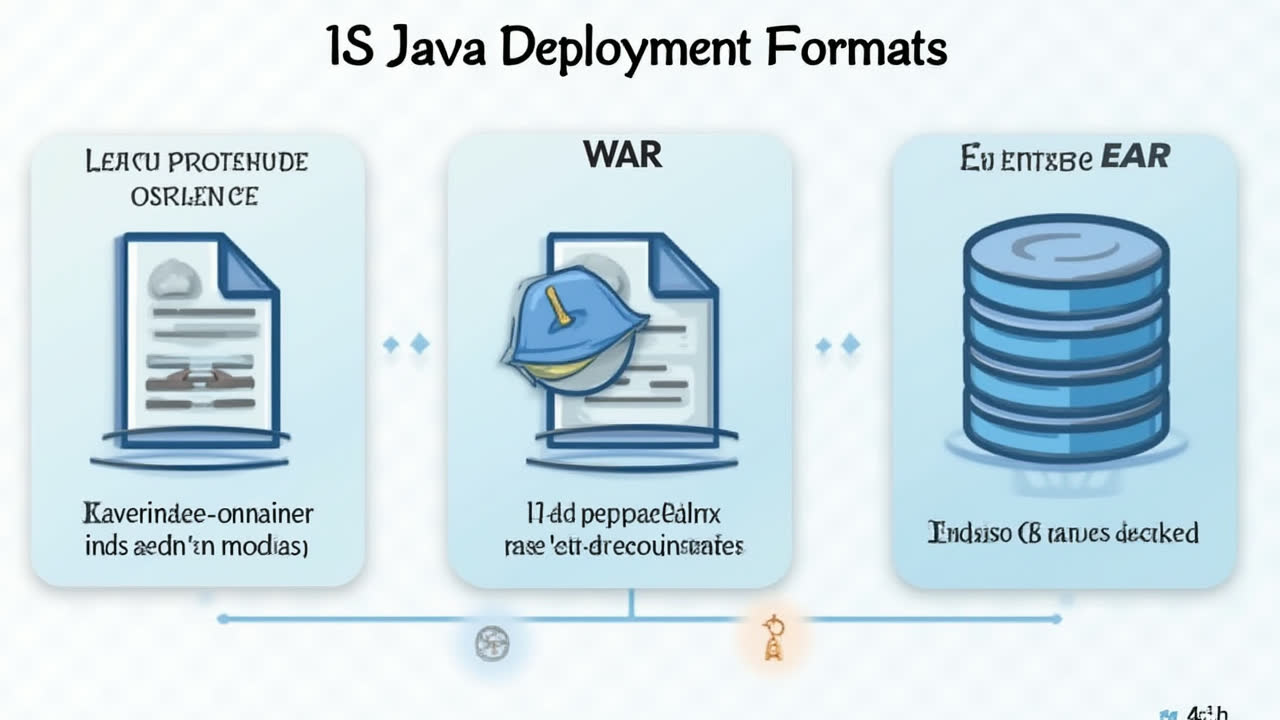
Deployment scenarios also differ significantly. Java applications are typically deployed as JAR files that require a JVM installation on the target system. .NET applications have traditionally been more tightly coupled to Windows, though .NET Core and beyond have dramatically improved cross-platform support. Self-contained deployments in .NET can include the runtime itself, eliminating the need for pre-installed frameworks on the target machine.
Evolution and Future Trends
Both JVM and CLR continue to evolve, with interesting convergence in some areas and divergence in others. Java's Project Loom is introducing virtual threads that promise to revolutionize concurrency by allowing millions of lightweight threads. Meanwhile, .NET is advancing its support for WebAssembly, enabling .NET code to run directly in browsers.
Cloud-native development has influenced both platforms, with optimizations for container deployments and serverless architectures. JVM implementations like GraalVM enable ahead-of-time compilation to native executables, dramatically reducing startup time and memory footprint—traditionally considered JVM weaknesses. Similarly, .NET has introduced optimizations for cloud scenarios with trimming and AOT compilation.
The relationship between these platforms and emerging technologies like machine learning and IoT also differs. Java has established frameworks for enterprise AI integration, while .NET offers tight integration with Microsoft's Azure AI services. For IoT, specialized JVM implementations like JavaME compete with .NET IoT, each with their own strengths in the embedded device space.
Open source governance represents another evolving aspect. While Java has moved to a more open governance model under the Eclipse Foundation (for Jakarta EE) and OpenJDK, .NET has become increasingly open with the .NET Foundation managing key components. This shift toward openness in both ecosystems has accelerated innovation and community participation.
Frequently Asked Questions About JVM and CLR
Can JVM run .NET applications or vice versa?
No, JVM cannot directly run .NET applications, and CLR cannot directly run Java applications. They use different intermediate languages (bytecode vs. MSIL) and have different execution models. However, there are bridging technologies like IKVM.NET that allow Java bytecode to run on .NET, and initiatives like JNBridge that enable interoperability between Java and .NET components. These solutions typically involve some performance overhead and may not support all features of either platform.
Which is faster: JVM or CLR?
The performance comparison between JVM and CLR isn't straightforward as it depends on many factors including the specific implementation, workload type, and optimization settings. Modern JVM implementations like HotSpot offer exceptional performance for long-running applications through adaptive optimization, while CLR may have advantages in startup time and memory usage for certain scenarios. Benchmarks often show that both platforms can achieve comparable performance when properly optimized. For most applications, factors like algorithm efficiency, architecture design, and code quality will have a far greater impact on performance than the choice between JVM and CLR.
What languages can run on JVM besides Java?
The JVM supports many languages beyond Java. Some popular JVM languages include Kotlin (now the preferred language for Android development), Scala (which combines object-oriented and functional programming), Groovy (a dynamic language with scripting capabilities), Clojure (a modern Lisp dialect for functional programming), and JRuby (a Java implementation of Ruby). These languages compile to standard Java bytecode and can interoperate with Java libraries, allowing developers to choose languages with features that best suit their projects while still leveraging the mature JVM ecosystem and performance optimizations.
Conclusion
Both JVM and CLR represent sophisticated virtual machine technologies that have shaped modern software development. While JVM offers platform independence with its "write once, run anywhere" philosophy that has made Java a dominant force in enterprise computing, CLR provides seamless multi-language support and tight integration with Microsoft's ecosystem. The choice between them often comes down to specific project requirements, existing infrastructure, team expertise, and business constraints rather than pure technical superiority.
As both platforms continue to evolve, they've increasingly adopted each other's strengths—JVM expanding language support beyond Java and CLR improving cross-platform capabilities. For developers, understanding the fundamentals of both environments expands career opportunities and provides valuable perspective on runtime environment design principles that apply across the programming landscape.
Whether you're building enterprise applications, cloud services, mobile apps, or embedded systems, both platforms offer robust, battle-tested solutions with vibrant ecosystems. The architectural insights gained from comparing JVM and CLR can help you make more informed decisions regardless of which platform you ultimately choose for your projects.