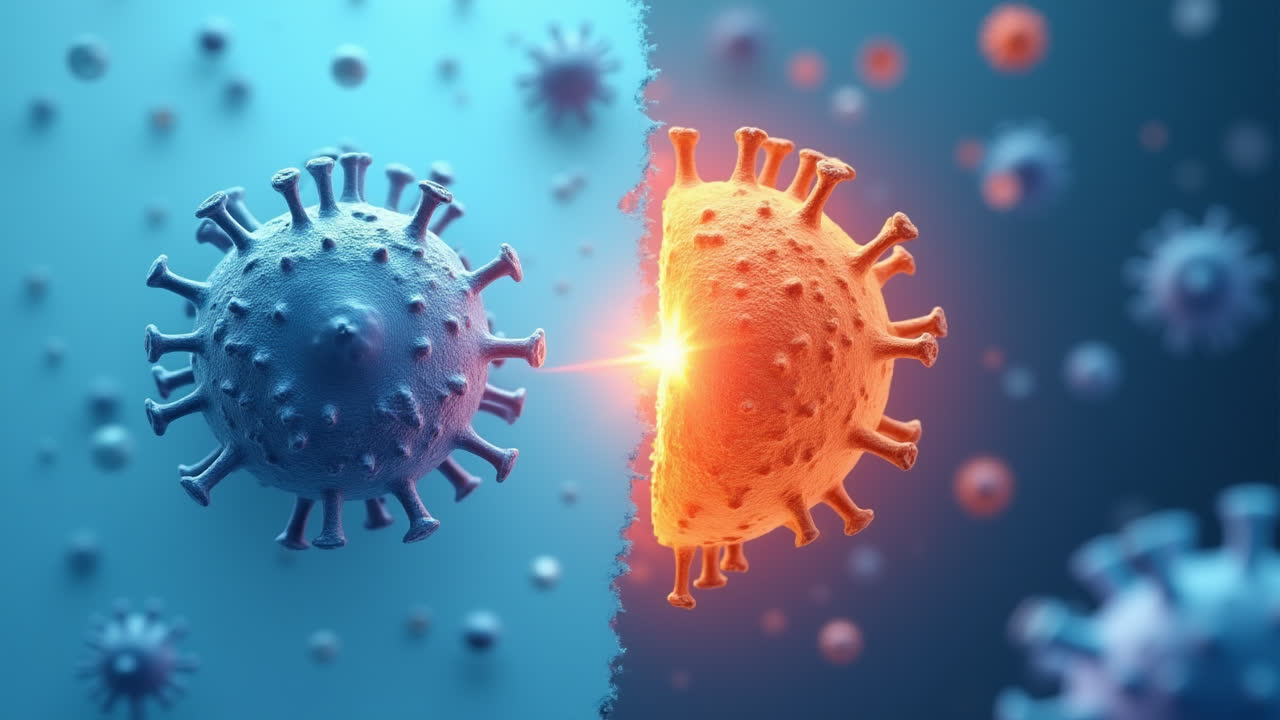
Neurotransmitter vs Neuromodulator: Understanding Chemical Messengers
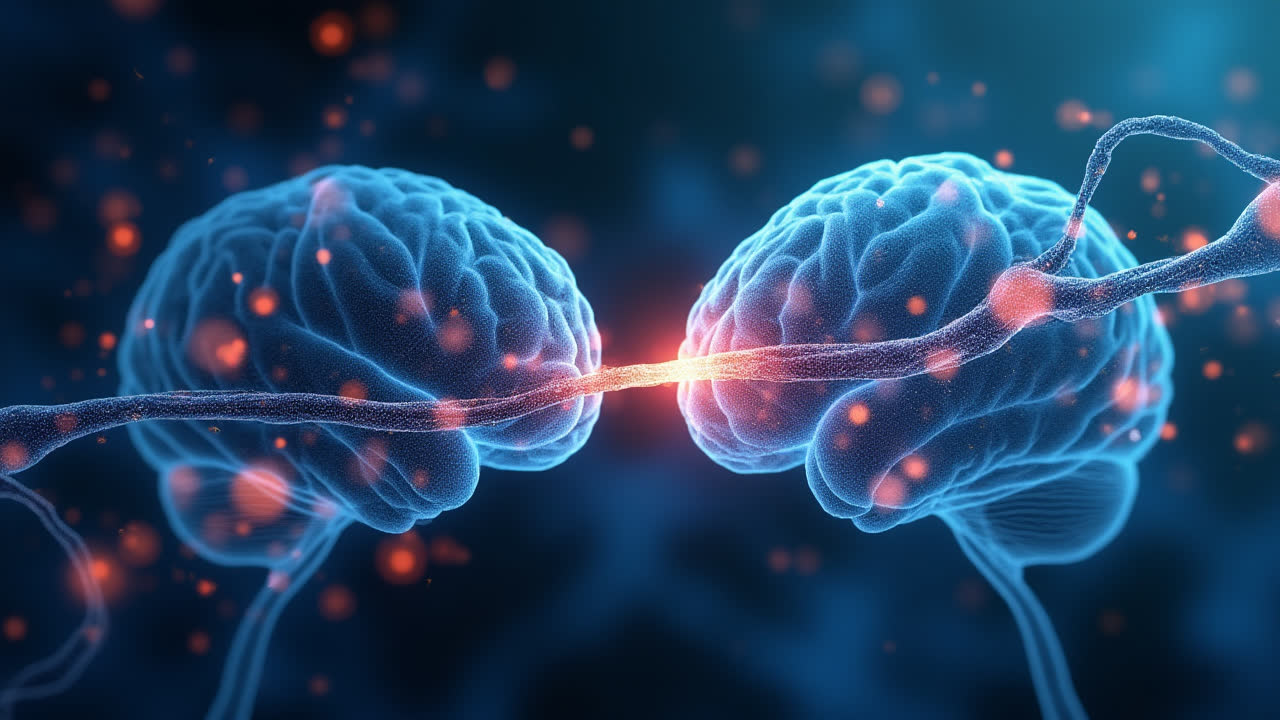
Neurotransmitter vs Neuromodulator: Understanding the Key Differences in Chemical Messaging
Have you ever wondered how your brain manages to coordinate millions of signals every second? The secret lies in the complex dance of neurotransmitters and neuromodulators – the chemical messengers that make our nervous system tick. While they might sound similar, these two types of molecules play quite different roles in your neural communication system.
Think of your brain as a massive communication network, like a telecommunications system spreading across continents. In this analogy, neurotransmitters are the precise text messages between specific individuals, while neuromodulators are more like broadcasting a radio signal that several receivers can tune into. Both are essential, but they work in fundamentally different ways. Let's dive into these fascinating differences.
What Are Neurotransmitters?
Picture neurotransmitters as your brain's delivery service – they're chemical messengers that carry signals across the tiny gaps between nerve cells, called synapses. When a neuron fires, these chemicals rush across the synaptic cleft like couriers delivering urgent packages to one or two recipients at most.
What makes neurotransmitters special is their precision and speed. They're stored in little packets called synaptic vesicles, ready to be released at a moment's notice. Once released, they zip across the synapse and lock onto specific receptors like keys fitting into locks. This binding changes the electrical properties of the receiving cell, either exciting it to fire or inhibiting it from doing so.
The main players in the neurotransmitter game include acetylcholine (crucial for muscle movement), serotonin (your mood regulator), dopamine (the reward chemical), and GABA (nature's brake pedal for your brain). Each has its specific job, and they all work with lightning speed – we're talking milliseconds here!
Understanding Neuromodulators: The Brain's Volume Control
Now, neuromodulators are a different beast altogether. If neurotransmitters are the precise text messages, neuromodulators are more like adjusting the volume settings on your entire sound system. They don't just talk to one or two cells; they broadcast their influence across groups of neurons, sometimes even affecting brain regions quite far from where they were released.
What's fascinating about neuromodulators is their long-lasting effects. While neurotransmitters do their job and then quickly get broken down or recycled (like sprint runners), neuromodulators hang around much longer (more like marathon runners). This persistence allows them to create sustained changes in neural activity that can last for minutes, hours, or even longer.
The mechanism behind neuromodulation is pretty clever too. Rather than directly opening channels in the cell membrane like neurotransmitters do, neuromodulators often work through second messengers – kind of like relay runners passing the baton through a complex signaling cascade inside the cell. This indirect approach allows for more nuanced and long-term adjustments to neural activity.
Key Differences Between Neurotransmitters and Neuromodulators
| Characteristic | Neurotransmitter | Neuromodulator |
|---|---|---|
| Target Specificity | Affects 1-2 specific post-synaptic cells | Affects multiple cells or neural circuits |
| Action Location | Directly adjacent post-synaptic neuron | Can affect neurons far from release site |
| Mechanism | Direct effect on ion channels | Indirect effect via second messengers |
| Effect Duration | Rapid onset, short duration (milliseconds) | Slower onset, long duration (minutes to hours) |
| Degradation | Rapidly degraded or reabsorbed | Not quickly degraded or reabsorbed |
| Transmission Type | Point-to-point transmission | Volume transmission (diffusion) |
| Examples | Acetylcholine, Dopamine, GABA, Glutamate | Opioid peptides, Enkephalins, Substance P |
| Primary Function | Fast synaptic transmission | Modulate neural circuit activity |
The Overlapping Roles: When Molecules Wear Multiple Hats
Here's where things get really interesting – some chemicals aren't content being just one thing. Take acetylcholine, for instance. At the neuromuscular junction, it's a straightforward neurotransmitter, causing muscles to contract in precise, rapid movements. But in other parts of the nervous system, it moonlights as a neuromodulator, influencing larger networks of neurons to affect things like attention and arousal.
This dual role isn't unique to acetylcholine. Serotonin, dopamine, and several other molecules can switch between neurotransmitter and neuromodulator functions depending on where they're acting and what receptors they encounter. It's like having a smartphone that can both make calls (precise neurotransmitter function) and broadcast your location to multiple apps (neuromodulator function).
The flexibility of these chemical messengers highlights the incredible sophistication of our nervous system. It's not just about having one-size-fits-all messages; it's about having a communication system that can adapt to different needs and contexts.
Real-World Applications and Research Frontiers
Understanding the difference between neurotransmitters and neuromodulators has massive implications for treating neurological and psychiatric conditions. Take Parkinson's disease, where dopamine acts as both a neurotransmitter and neuromodulator. The symptoms arise from both the loss of precise dopaminergic transmission and the disruption of broader dopaminergic modulation.
Current research is exploring how we might target neuromodulatory systems more effectively. For instance, instead of just replacing missing neurotransmitters, scientists are investigating ways to enhance the brain's own neuromodulatory processes. This could lead to more sophisticated treatments that work with, rather than against, the brain's natural regulatory systems.
The field of optogenetics, where scientists use light to control specific neurons, is also revealing new insights about how neurotransmitters and neuromodulators interact. By selectively activating different types of neurons, researchers can now study in real-time how these chemical messengers coordinate to produce complex behaviors and cognitive states.
The Future: Decoding the Chemical Language of the Brain
As we continue to unravel the mysteries of neural communication, the line between neurotransmitters and neuromodulators might become even more blurred. New technologies like CRISPR gene editing and nanotechnology could allow us to manipulate these systems with unprecedented precision, potentially leading to treatments for conditions we once thought untreatable.
Imagine being able to fine-tune your brain's chemical messaging system like adjusting the settings on your favorite app. While we're not there yet, understanding the fundamental differences between neurotransmitters and neuromodulators is the first step toward such advances. It's an exciting time in neuroscience, and these chemical messengers are at the heart of our growing understanding of how the brain works.
Frequently Asked Questions
Can the same chemical function as both a neurotransmitter and neuromodulator?
Yes, several chemicals can function as both neurotransmitters and neuromodulators depending on the context. For example, acetylcholine acts as a neurotransmitter at the neuromuscular junction, producing rapid muscle contractions, but serves as a neuromodulator in the central nervous system, affecting attention and arousal across broader neural networks.
How do neuromodulators affect multiple neurons simultaneously?
Neuromodulators affect multiple neurons through volume transmission, where they diffuse through the extracellular fluid rather than being confined to specific synaptic connections. They bind to receptors on many neurons simultaneously, often triggering second messenger systems that create long-lasting changes in neural activity. This broadcasting method allows them to influence entire brain regions or neural circuits.
Why do neurotransmitters work faster than neuromodulators?
Neurotransmitters work faster because they bind directly to ion channels on the post-synaptic membrane, causing immediate changes in membrane potential. In contrast, neuromodulators typically work through G-protein coupled receptors and activate second messenger systems, which involves multiple biochemical steps. This indirect pathway takes more time but allows for more sustained and widespread effects on neural function.