O Positive vs O Negative Blood Type: 8 Critical Differences Explained
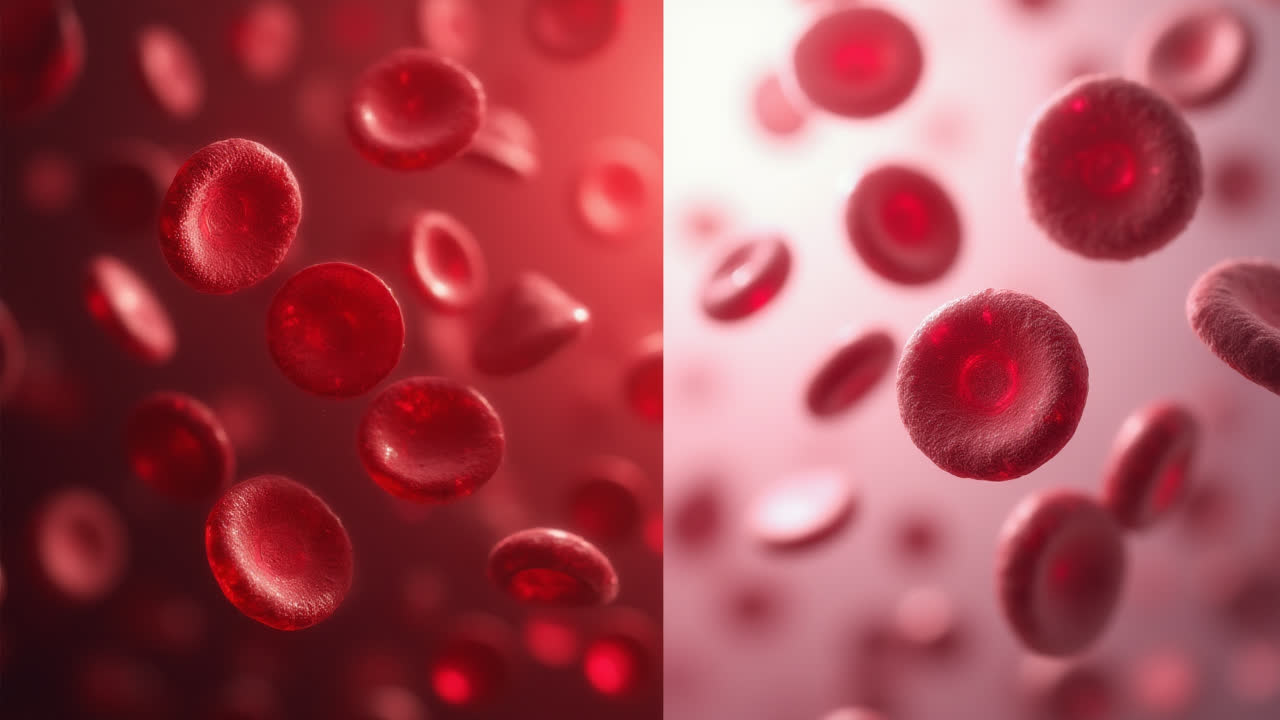
Understanding the differences between O positive and O negative blood types is crucial, whether you're a medical professional, a blood donor, or simply curious about your own blood type. While both belong to the same blood group O, these types have significant variations that impact everything from transfusion compatibility to pregnancy risks.
Blood types play a vital role in our health system, particularly when it comes to blood transfusions. I've often wondered why some blood types are considered more valuable than others, and why my O negative friend gets called by the blood bank almost monthly! The differences go beyond simple classification—they can literally be life-saving in emergency situations.
In this comprehensive guide, we'll explore the fundamental characteristics of both blood types, their genetic foundations, compatibility factors, and practical implications for medical procedures. By the end, you'll have a thorough understanding of what makes these blood types unique and why their differences matter in real-world healthcare scenarios.
Understanding the ABO Blood Group System
Before diving into the specifics of O positive and O negative blood types, it's essential to understand the foundation of blood typing. The human blood classification system primarily uses two methods: the ABO system and the Rhesus (Rh) factor system.
The ABO system categorizes blood into four main types: A, B, AB, and O. This classification is based on the presence or absence of certain antigens (proteins and sugars) on the surface of red blood cells. These antigens are determined by three alleles in our genetic makeup: IA, IB, and i.
When it comes to type O blood specifically, it's characterized by the presence of neither A nor B antigens on the red blood cells. Instead, both O positive and O negative blood types have the recessive allele pair "ii" in their genome. This genetic configuration is what makes type O blood unique in the ABO system.
Have you ever wondered why blood types matter so much? It's because our immune systems are designed to attack anything they perceive as foreign. If you receive blood with antigens that your immune system doesn't recognize as "self," your body will launch an attack against the transfused blood, potentially causing severe, even fatal reactions.
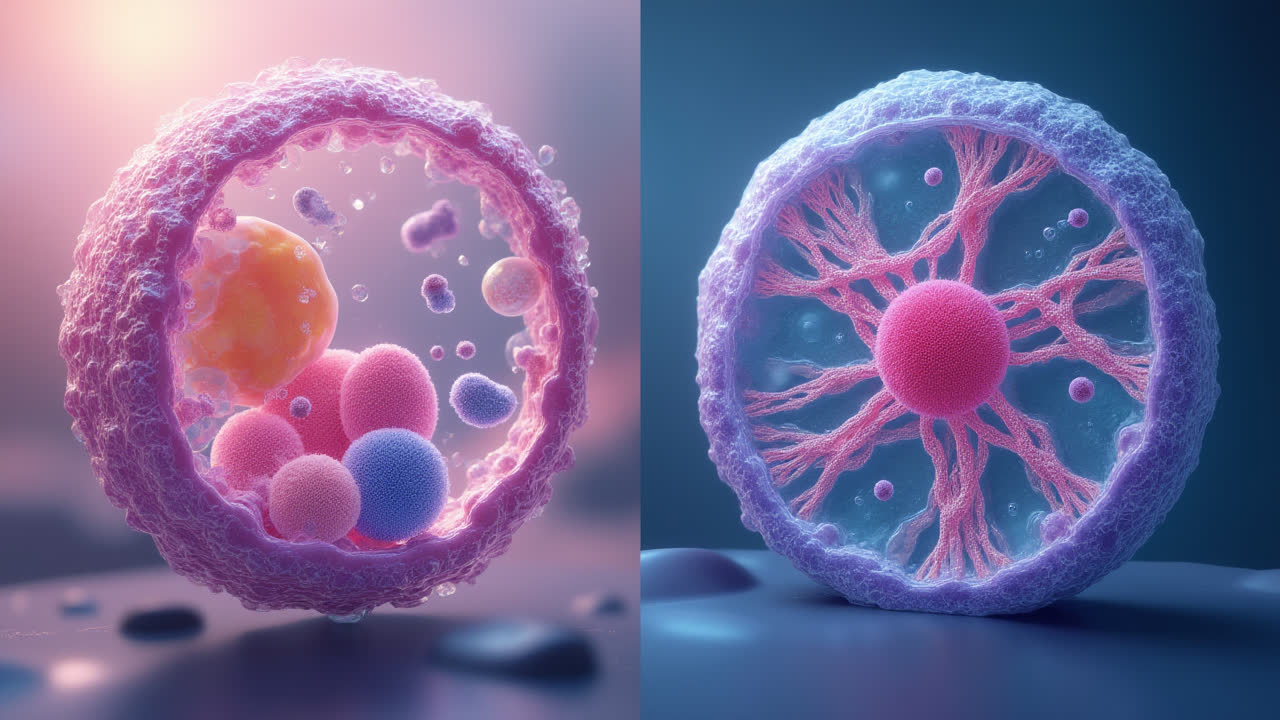
The second classification system, the Rhesus (Rh) factor, is what differentiates O positive from O negative blood. The Rh factor, also called antigen D, is either present on red blood cells (making someone Rh positive) or absent (making someone Rh negative). This seemingly small difference has profound implications for blood compatibility and transfusions, which we'll explore in depth.
Key Differences Between O Positive and O Negative Blood
| Comparison Factor | O Positive Blood | O Negative Blood |
|---|---|---|
| Rhesus (Rh) Factor | Present on red blood cells | Absent on red blood cells |
| Rh Antibodies | Not present in plasma | Present in plasma |
| Population Prevalence | Approximately 38% of population | Approximately 7% of population |
| Compatible Recipients | O+, A+, B+, AB+ | All blood types (universal donor) |
| Compatible Donors | O+ and O- | O- only |
| Anti-A and Anti-B Antibodies | Present in plasma | Present in plasma |
| Ideal Donation Types | Whole blood, double red cells, plasma, platelets | Whole blood, double red cells |
| Pregnancy Considerations | No Rh incompatibility issues with Rh+ baby | Potential Rh incompatibility with Rh+ baby |
O Positive Blood Type: Characteristics and Significance
O positive is the most common blood type worldwide, found in approximately 38% of the global population. It's characterized by the absence of A and B antigens on red blood cells, but the presence of the Rhesus factor (the "positive" part). This high prevalence makes O positive blood critically important for the healthcare system's blood supply.
One of the notable features of O positive blood is its versatility as a donor type. People with O positive blood can donate to anyone who has a positive Rhesus factor, regardless of their ABO type. This means O positive blood can be transfused to individuals with O positive, A positive, B positive, and AB positive blood types—roughly 80% of the population. This wide compatibility makes O positive donors highly valuable at blood banks.
However, when it comes to receiving blood, O positive individuals are somewhat more restricted. They can only receive blood from other O positive donors or from O negative donors. This limitation exists because the immune system of someone with O positive blood would recognize and attack any A or B antigens present in transfused blood.
I remember when my brother, who has O positive blood, needed a transfusion after a serious accident. The hospital was able to quickly find compatible blood because of its prevalence, but they still preferred to match his exact type rather than use the more precious O negative supply. This real-world scenario demonstrates how blood type matching works in emergency situations.
In terms of donations, people with O positive blood are ideal candidates for donating whole blood, double red cells, plasma, and platelets. Their platelets can actually be transfused to any blood type recipient, making O positive platelet donors particularly valuable. Blood banks often specifically request O positive donors to come in regularly to help maintain adequate supplies for the majority of the population.
O Negative Blood Type: The Universal Donor
O negative blood has earned the title of "universal donor" in emergency medicine, making it arguably the most valuable blood type in critical situations. Found in only about 7% of the population, O negative blood is characterized by both the absence of A and B antigens AND the absence of the Rhesus factor on red blood cells.
What makes this blood type so special? In emergency situations where there's no time to test a patient's blood type, O negative blood can be safely transfused to anyone, regardless of their blood type. This universal compatibility makes it the go-to choice in trauma scenarios, emergency departments, and for vulnerable patients like newborns with underdeveloped immune systems.
The plasma of O negative blood contains anti-A, anti-B, and anti-D (Rh) antibodies. These antibodies would attack any corresponding antigens they encounter, which is why when receiving blood, O negative individuals can only accept other O negative blood. I've always found this fascinating—the most generous donor type is also the most restricted recipient.
During my time volunteering at a blood drive, the nurses always made a special fuss when an O negative donor came in. "Liquid gold," they would call it. And with good reason—this rare blood type is constantly in demand and often in short supply. Many blood banks have special programs to stay connected with O negative donors, encouraging them to donate regularly.
For donation purposes, O negative individuals are ideal candidates for whole blood and double red cell donations. While their plasma can only be given to O blood types, their platelets, like those from O positive donors, can be received by anyone. This versatility in donation types further enhances the value of O negative donors to blood banks and healthcare systems.
Perhaps the most critical role of O negative blood is in emergency medicine. When seconds count and a patient is rapidly losing blood, medical professionals don't have the luxury of waiting for blood typing results. Having O negative blood available can literally be the difference between life and death. This is why maintaining adequate supplies of O negative blood is a constant challenge and priority for blood banks worldwide.
Similarities Between O Positive and O Negative Blood Types
Despite their differences, O positive and O negative blood types share several important characteristics. Both types are determined by the same genetic foundation—the recessive allele pair "ii" in the human genome. This genetic similarity is what places them both in the O blood group classification.
Neither O positive nor O negative blood contains A or B antigens on the surface of their red blood cells. Instead, they both have anti-A and anti-B antibodies in their plasma, which means neither can receive blood types A, B, or AB. This shared characteristic is what defines them as type O in the first place.
Both blood types are highly valued in the medical community, though for slightly different reasons. O positive is prized for its prevalence, while O negative is essential for its universal compatibility. In both cases, blood banks actively recruit these donors to maintain adequate supplies.
When it comes to platelet donations, both O positive and O negative platelets can be transfused to any recipient, regardless of blood type. This makes platelet donors of either type equally valuable for patients requiring platelet transfusions, such as those undergoing chemotherapy or recovering from major surgeries.
I've noticed that people with either O blood type often share a sense of pride in their blood's usefulness. My friend with O negative calls herself a "universal donor," while my O positive cousin jokes that he's "almost universal." This shared identity as particularly valuable donors seems to create a unique bond among O type blood donors.
Clinical Importance and Transfusion Compatibility
The clinical importance of understanding blood type compatibility cannot be overstated. Blood transfusions are common medical procedures used in surgeries, trauma care, and treatment of various medical conditions. Improper matching can lead to severe, potentially fatal transfusion reactions where the recipient's immune system attacks the donor blood.
O positive blood can be donated to approximately 80% of the population—anyone with a positive Rh factor. This includes people with O positive, A positive, B positive, and AB positive blood types. However, people with O positive blood can only receive blood from O positive or O negative donors. This restriction exists because their immune systems would attack any A or B antigens present in other blood types.
O negative blood, as the universal donor, can be transfused to any blood type in emergency situations. However, O negative individuals can only receive O negative blood, making them the most restricted recipients. This limitation puts particular pressure on blood banks to maintain adequate supplies of O negative blood for both emergency use and for O negative patients.
Beyond emergency situations, blood compatibility is crucial in planned medical procedures. For instance, before scheduled surgeries, patients may donate their own blood (autologous donation) or have family members with compatible blood types donate on their behalf (directed donation). Understanding which family members can donate to whom requires knowledge of blood type compatibility.
I recently spoke with a hematologist who emphasized that while O negative is considered the universal donor, it's always preferable to match exact blood types when time permits. "We save the O negative for true emergencies," she explained. "Using type-specific blood not only preserves our O negative supply but also reduces the extremely small risk of minor reactions that can sometimes occur even with compatible blood."
For pregnant women, blood type compatibility takes on additional significance. When an Rh-negative mother (such as one with O negative blood) carries an Rh-positive baby, her immune system may develop antibodies against the baby's blood. This condition, called Rh incompatibility, can cause complications in future pregnancies if not properly managed with Rh immunoglobulin injections.
Practical Implications for Blood Donors and Recipients
If you're a blood donor, knowing your blood type helps you understand the impact of your donation. O positive donors should know that their blood can help the majority of the population, making them valuable regular donors. Blood banks particularly need O positive whole blood and platelet donations due to high demand and frequent usage.
For O negative donors, your blood is especially precious in emergency settings. Blood banks may contact you more frequently, particularly during shortages. While this might seem bothersome, your donations quite literally save lives in critical situations where there's no time for blood typing.
If you're a potential blood recipient—perhaps preparing for surgery or managing a chronic condition—understanding your blood type helps you know your options. O positive recipients should be aware that they can receive either O positive or O negative blood. O negative recipients, however, can only receive O negative blood, which might affect blood availability in certain situations.
Beyond transfusions, blood type awareness has additional health implications. Some research suggests correlations between blood types and certain health conditions. While these associations aren't definitive enough to alter medical care based solely on blood type, they represent an intriguing area of ongoing research.
From personal experience coordinating a community blood drive, I've seen how knowledge about blood types can motivate donors. When O negative donors understand their blood's unique value, they often become committed regular donors. Similarly, when O positive donors realize how many people they can help, they typically develop a strong sense of responsibility to donate regularly.
Frequently Asked Questions
Can a person with O positive blood donate to someone with O negative blood?
No, a person with O positive blood cannot donate to someone with O negative blood. This is because O positive blood contains the Rhesus (Rh) factor, which would trigger an immune response in an O negative recipient. O negative individuals can only receive blood from other O negative donors, as they lack the Rh factor and have antibodies against it in their plasma. This restriction makes O negative blood recipients among the most limited in terms of compatible donors.
Why is O negative blood called the universal donor?
O negative blood is called the universal donor because it can be safely transfused to any recipient, regardless of their blood type, in emergency situations. This universal compatibility exists because O negative blood lacks both A and B antigens on red blood cells as well as the Rhesus factor. Without these antigens, there's nothing for the recipient's immune system to recognize as foreign and attack. This makes O negative blood invaluable in emergency medicine where there's no time to determine a patient's blood type or in treating vulnerable patients like premature infants.
What special precautions should pregnant women with O negative blood take?
Pregnant women with O negative blood need to be monitored for Rh incompatibility if the baby's father is Rh positive. This condition occurs when an Rh-negative mother carries an Rh-positive baby, potentially causing her immune system to develop antibodies against the baby's blood. To prevent complications, these women typically receive Rh immunoglobulin (RhIg) injections around 28 weeks of pregnancy and again within 72 hours after giving birth. Additional injections may be needed after potentially sensitizing events like amniocentesis or vaginal bleeding. Early and regular prenatal care is essential for O negative mothers to ensure proper management of this potential complication.
Conclusion
Understanding the differences between O positive and O negative blood types goes beyond mere academic interest—it has real-world implications for emergency medicine, pregnancy management, and blood donation strategies. While both types share the fundamental characteristics of type O blood, the presence or absence of the Rhesus factor creates significant distinctions in how each type can be used and who can receive it.
O positive blood, with its high prevalence in the population, serves as a reliable workhorse in the blood supply system, able to help the majority of patients. Meanwhile, O negative blood's universal compatibility makes it irreplaceable in emergency situations, despite its relative rarity.
If you're a blood donor or considering becoming one, understanding your blood type's unique value can be a powerful motivator. Each donation, regardless of type, has the potential to save lives—but knowing exactly how your blood is used can create a more meaningful connection to this vital act of service.
For healthcare providers and blood bank administrators, balancing the collection and distribution of these blood types represents an ongoing challenge. The ideal scenario would match each recipient with their exact blood type, preserving the precious O negative supply for true emergencies and O negative patients.
Whether you're O positive, O negative, or any other blood type, remember that blood donation remains one of the simplest yet most impactful ways to make a difference in your community. After all, despite all our differences—including blood types—the gift of life through blood donation is something we can all participate in and benefit from.