7 Key Differences Between Pastry Brush vs Basting Brush
7 Key Differences Between Pastry Brush vs Basting Brush
When it comes to pastry brush vs basting brush, many home cooks find themselves scratching their heads in the kitchen aisle. You might think they're basically the same tool, right? Well, let me tell you, that's like saying a butter knife and a steak knife serve the same purpose! Today, we're diving deep into this kitchen brush debate that's been confusing cooks for generations.
Have you ever grabbed the wrong brush and ended up with chicken-flavored éclairs? Been there, done that! The truth is, these two brushes might look similar at first glance, but they're as different as chalk and cheese when it comes to their specific uses. Let's explore why having both in your kitchen arsenal is absolutely essential for any serious home cook.
Understanding the Basics: What Makes Each Brush Unique?
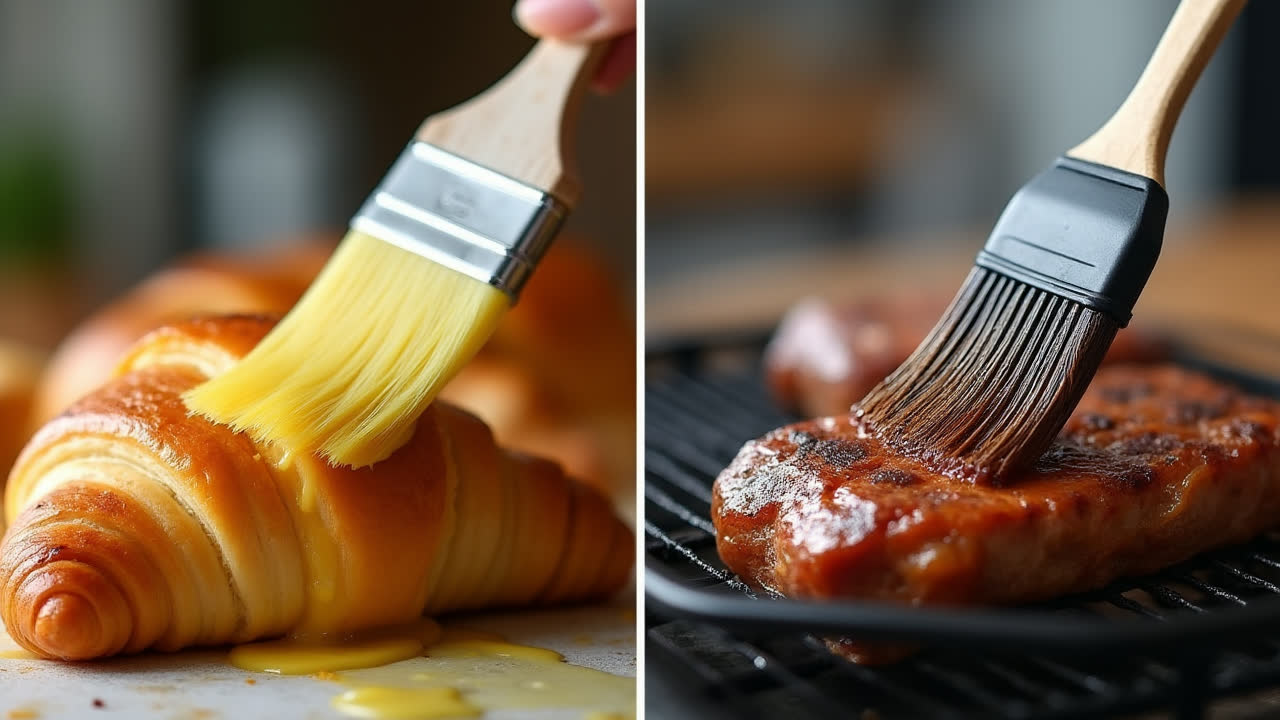
Let's start with the fundamentals. A pastry brush is your delicate companion in the world of baking and pastry making. Think of it as the gentle giant of kitchen brushes – small enough to handle intricate tasks but effective enough to get the job done perfectly. I remember my grandmother always saying it was like applying makeup – you need precision and care.
On the flip side, a basting brush is the heavy-duty player in your kitchen lineup. This robust tool is designed to handle tougher jobs, from slathering thick BBQ sauce on ribs to basting a Thanksgiving turkey with hot pan juices. It's like having a reliable paintbrush for your culinary masterpiece, but with bristles that can withstand high heat and thick liquids.
The distinction between these two becomes crucial when you consider cross-contamination. No one wants their vanilla-glazed croissants tasting like yesterday's BBQ chicken! Trust me, separating these brushes isn't just about being fancy – it's about maintaining the integrity of your flavors and keeping your food tasting exactly as intended.
Material Matters: Bristle Composition and Construction
Now, let's talk about what these brushes are made of. Traditional pastry brushes were crafted with natural bristles – think boar hair or feathers. However, modern food safety standards have pushed manufacturers toward synthetic materials like nylon and food-grade silicone. These materials are easier to clean and don't shed into your food, which is always a win in my book!
Basting brushes, meanwhile, often sport sturdier construction with heat-resistant silicone bristles. Why? Because they're frequently used in high-temperature situations like grilling or broiling. I once had a cheap plastic basting brush melt on me during an ambitious BBQ session – lesson learned! Always opt for quality heat-resistant materials when choosing your basting brush.
The flexibility of the bristles is another crucial factor. Pastry brushes need to be soft enough not to tear delicate dough or pastry surfaces, while basting brushes can afford to be a bit stiffer to handle thick marinades and sauces. It's like choosing between a watercolor brush and an oil painting brush – each serves its specific purpose perfectly.
Size and Shape: Why Dimensions Make a Difference
Here's something that caught me off guard when I first started cooking seriously: the size of these brushes varies significantly! Pastry brushes typically measure between 1 to 2 inches wide, making them perfect for detailed work like applying egg wash to intricate pastry designs or greasing small muffin tins. They're compact and easy to maneuver in tight spaces.
Basting brushes, however, can be substantially larger – sometimes up to 3 inches wide with longer handles. This extra size helps you cover large surfaces quickly, whether you're basting a whole turkey or brushing marinade on a rack of ribs. The longer handle also keeps your hands safely away from hot surfaces and splatter.
The shape of the brush head also tells a story. Pastry brushes often have flat, rectangular heads for even distribution, while basting brushes might feature angled heads or rounded tips to better access nooks and crannies of irregularly shaped proteins. It's fascinating how these small design elements make such a big difference in practical use!
The Science of Application: Technique Differences
Using these brushes requires different techniques. With a pastry brush, you want gentle, sweeping motions. Think of it like painting a watercolor – you're creating thin, even layers without disturbing what's underneath. I've seen too many home bakers destroy their beautiful lattice work by being too aggressive with their pastry brush!
Basting, on the other hand, often requires more vigorous application. When you're dealing with thick BBQ sauce or pan drippings, you need to work the brush into every crevice and ensure complete coverage. The sturdier construction of a basting brush allows for this more robust handling without fear of damage.
Temperature also plays a role here. Pastry brushes typically work with room temperature or slightly warm ingredients like melted butter or glazes. Basting brushes, however, must handle piping hot liquids and direct contact with heated surfaces. This is why material selection is so critical for basting brushes.
Comprehensive Comparison Table
| Feature | Pastry Brush | Basting Brush |
|---|---|---|
| Primary Use | Applying liquids to pastries, baked goods, and delicate foods | Applying marinades, sauces, and drippings to meats and vegetables |
| Size | Smaller, typically 1-2 inches wide | Larger, often 2-3 inches wide with longer handles |
| Bristle Type | Soft, gentle bristles (silicone, nylon, or natural) | Stiffer, heat-resistant bristles (usually silicone) |
| Heat Resistance | Moderate (room temperature to warm) | High (can withstand grilling and high-heat cooking) |
| Handle Design | Short to medium length for precision | Longer handles for safety from heat |
| Cleaning | Gentle cleaning required to maintain bristle integrity | Can withstand more vigorous cleaning |
| Liquid Compatibility | Thin liquids like egg wash, melted butter, glazes | Thick sauces, marinades, pan drippings |
| Typical Applications | Glazing pastries, egg washing, greasing pans | BBQ basting, turkey basting, grilled meat saucing |
Smart Shopping: How to Choose the Right Brush
When it comes to buying these essential kitchen tools, quality matters more than fancy branding. For a pastry brush, look for soft but resilient bristles that won't shed into your food. I personally prefer silicone over natural bristles for hygiene reasons – they're easier to clean and last longer without harboring bacteria.
For basting brushes, heat resistance is your top priority. Don't cut corners here – a melted brush in your Thanksgiving turkey is a disaster waiting to happen! Look for brushes rated for high temperatures (at least 400°F) if you plan to do any grilling or broiling.
Consider getting a set that includes both types. Many manufacturers offer color-coded sets which help prevent cross-contamination. I use a blue brush for savory basting and a pink one for pastry work – simple but effective! It's a small investment that pays dividends in both food quality and kitchen organization.
Care and Maintenance: Making Your Brushes Last
Proper care extends the life of both brushes significantly. After each use, rinse your pastry brush immediately to prevent sugar or butter from hardening in the bristles. A gentle wash with mild soap and warm water usually suffices. I like to occasionally soak mine in a baking soda solution to remove stubborn residue.
Basting brushes require more robust cleaning, especially after handling raw meat. Always use hot, soapy water and consider sanitizing with a diluted bleach solution or running it through the dishwasher if the manufacturer recommends it. The key is to clean thoroughly between uses to prevent bacterial contamination.
Storage is often overlooked but crucial. Don't stuff your brushes in a drawer where bristles can become bent or damaged. A magnetic strip on the wall or a dedicated utensil crock keeps them accessible and properly aired out after washing. Taking these small steps can extend your brush life by years!
Frequently Asked Questions
Can I use a pastry brush for basting meat?
While you technically can use a pastry brush for basting, it's not ideal. Pastry brushes have softer bristles that may not hold up well with thick sauces or high heat. More importantly, using the same brush for pastries and meat can lead to flavor cross-contamination and food safety issues. It's best to keep separate brushes for different cooking tasks.
How often should I replace my kitchen brushes?
Replace your brushes when you notice bristles shedding, splitting, or becoming discolored despite proper cleaning. For pastry brushes, this might be every 6-12 months with regular use. Basting brushes, especially silicone ones, can last 1-2 years or more. Always prioritize food safety – if a brush looks worn or retains odors despite cleaning, it's time for a replacement.
Are silicone brushes better than natural bristle brushes?
Silicone brushes offer several advantages: they're heat-resistant, dishwasher safe, don't shed bristles, and don't absorb flavors or odors. Natural bristle brushes can be softer for delicate pastry work but require more careful maintenance and can harbor bacteria. For most home cooks, silicone brushes provide the best balance of durability, hygiene, and versatility.
Conclusion: Your Complete Kitchen Brush Strategy
Understanding the difference between pastry brush and basting brush isn't just about kitchen organization – it's about elevating your cooking game. Each brush serves its specific purpose brilliantly when used correctly. Just as you wouldn't use a sledgehammer to hang a picture, choosing the right brush for each task ensures better results and maintains food safety standards.
Remember, investing in quality brushes and maintaining them properly saves money in the long run. Whether you're glazing delicate croissants or basting a perfectly grilled steak, having the right tool makes all the difference. So next time you're in the kitchen, reach for the appropriate brush with confidence, knowing you're using exactly what you need for the job at hand.
Happy cooking, and may your brushes always serve you well in creating culinary masterpieces!