Phenol vs Nonylphenol: Understanding the Key Differences
Phenol vs Nonylphenol: Understanding the Key Differences
When diving into the world of organic compounds, you'll encounter countless fascinating molecules that make our modern life possible. Today, let's explore two closely related compounds that often confuse chemistry students and professionals alike: phenol and nonylphenol. You might be wondering, "What's the big deal about these two chemicals?" Well, their differences matter more than you might think, from industrial applications to environmental concerns.
If you're studying chemistry or working in an industry that uses these compounds, understanding their unique characteristics is crucial. Phenol, that colorful crystalline solid you might remember from your lab days, and its heavyweight cousin nonylphenol, have quite the personality differences. It's sort of like comparing a simple bicycle to a motorcycle—they both have wheels, but the ride's completely different!
What Makes Phenol Special?
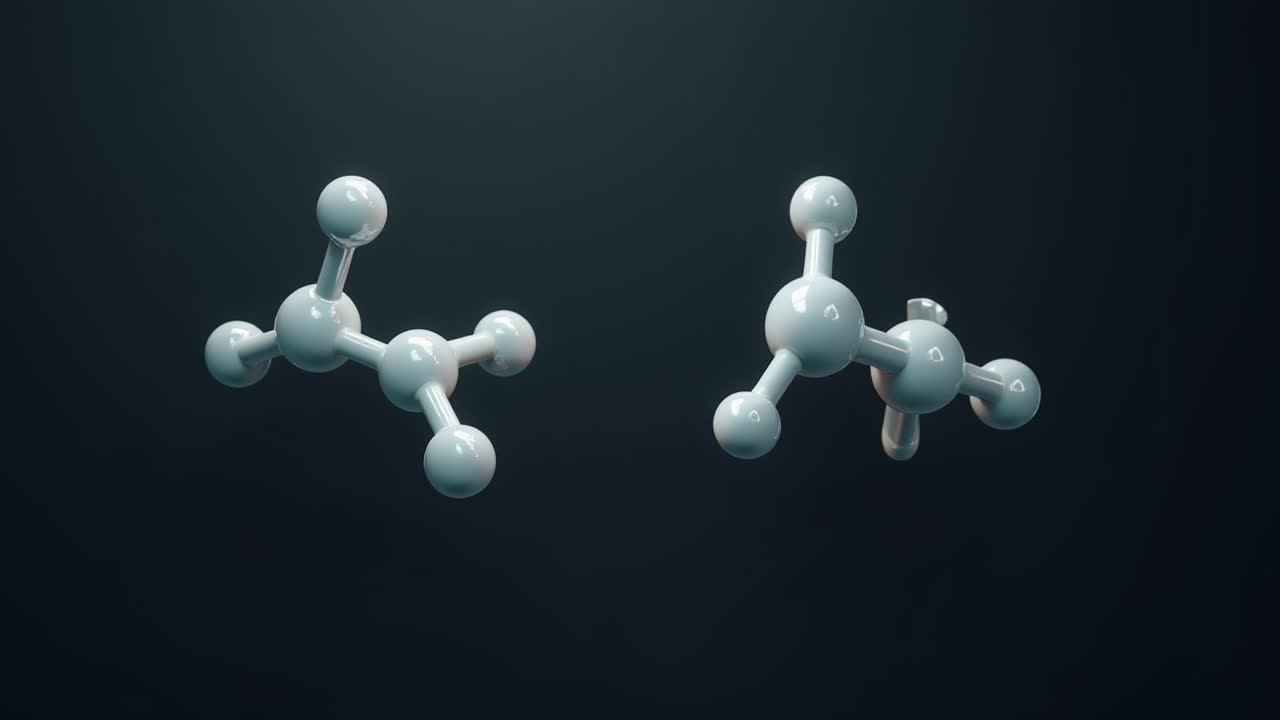
Ah, phenol—the molecule that's been around since the dawn of organic chemistry. Picture this: a perfect benzene ring with just one hydroxyl group attached. That's phenol for you (C₆H₅OH). It's like the minimalist design of the chemical world—clean, simple, and effective. Back in my early chemistry days, I remember the first time we handled phenol in the lab. The instructor warned us repeatedly about its corrosive nature, and let me tell you, those warnings weren't exaggerated!
This crystalline compound has some pretty impressive credentials. When you're looking at it under normal conditions, it's a colorless solid with that distinctive chemical odor that makes experienced chemists nostalgic. But here's the fascinating part: when you dissolve it in water, it forms a weakly acidic solution. It's like that friend who's tough on the outside but surprisingly mild-mannered once you get to know them.
The applications? Oh boy, where do I start? From plastics like Bakelite to nylon, from detergents to perfumes—phenol is everywhere. It's the unsung hero of the chemical industry, though its corrosive nature means we've got to handle it with respect. I once read about how it was even used as an early antiseptic, though now we have much safer alternatives, thank goodness!
Nonylphenol: The Bigger, More Complex Cousin
Nonylphenol decided that phenol wasn't quite enough and added a nine-carbon hydrocarbon chain to the mix. With the molecular formula C₁₅H₂₄O, it's like phenol went to the gym and bulked up significantly. This modification completely changes the game—imagine adding a long tail to our simple bicycle, turning it into something totally different.
What really fascinates me about nonylphenol is its multiple personalities. Because that nonyl chain can attach at different positions on the benzene ring, we get various isomers. It's like having several different versions of the same basic design, each with its own quirks and characteristics. At room temperature, it's a yellowish, viscous liquid—think honey consistency rather than water.
The solubility changes dramatically too. While phenol loves water like a coffee enthusiast loves their morning brew, nonylphenol is that friend who prefers organic solvents. It's slightly soluble in water but dissolves beautifully in organic compounds. This property makes it incredibly useful in industrial applications like lubricants and emulsifiers.
The Side-by-Side Comparison
| Property | Phenol | Nonylphenol |
|---|---|---|
| Molecular Formula | C₆H₅OH | C₁₅H₂₄O |
| Structural Feature | Benzene ring + hydroxyl group | Benzene ring + hydroxyl group + 9-carbon chain |
| Physical State | Crystalline solid | Viscous liquid |
| Color | Colorless | Yellowish |
| Water Solubility | Highly soluble | Slightly soluble |
| Boiling Point | Lower | Higher |
| Viscosity | Not applicable (solid) | 1500-2500 mPa·s at 25°C |
| Number of Isomers | Single structure | Multiple isomers |
Real-World Applications and Environmental Concerns
Here's where things get interesting from a practical standpoint. Both compounds have carved out their niches in industry, but their uses differ significantly. Phenol's simplicity makes it perfect for creating fundamental building blocks. I've seen it used in everything from synthetic fibers to explosives (yes, really—picric acid is made from it!).
Nonylphenol, with its larger structure, excels in applications where you need both the phenolic character and the hydrocarbon properties. It's particularly valuable in creating detergents and surfactants. However—and this is a big however—its environmental impact has become a growing concern. I remember attending a conference where researchers discussed how nonylphenol can act as an endocrine disruptor. That's science-speak for "it messes with hormones in ways we don't want."
The irony is striking: while both compounds are incredibly useful, nonylphenol's effectiveness in applications also makes it more persistent in the environment. It's like that powerful cleaning product that works great but leaves residues you'd rather not have around. This has led to increased regulation and research into alternatives.
Chemical Properties That Set Them Apart
Let's geek out a bit about the chemistry, shall we? The acidic nature of both compounds comes from that hydroxyl group on the benzene ring. But here's where it gets fascinating: nonylphenol's acidity is affected by that nonyl chain. It's less acidic than pure phenol because the hydrocarbon chain pulls electron density away from the ring, making the hydroxyl hydrogen less likely to dissociate.
The molecular weight difference is substantial too. Phenol weighs in at about 94 g/mol, while nonylphenol bulks up to around 220 g/mol. This might seem like just numbers, but it affects everything from how they move through membranes to how they interact with other molecules. It's like comparing a lightweight boxer to a heavyweight—they might throw similar punches, but the impact is different.
What really amazes me is how that seemingly simple structural difference—adding a nine-carbon chain—completely transforms the compound's behavior. It's a reminder of how elegant and precise chemistry can be. Sometimes I think molecules are like recipes: change one ingredient, and you get a completely different dish!
Safety Considerations and Handling
Safety first, always! Phenol's corrosive nature means you absolutely need proper protective equipment when handling it. I've seen what happens when someone gets careless—severe burns aren't something to joke about. The good news is that with proper safety protocols, it's perfectly manageable in industrial and laboratory settings.
Nonylphenol, while less immediately corrosive than phenol, brings its own set of concerns. Its potential as an endocrine disruptor means we need to be especially careful about environmental release. It's one of those chemicals where the old saying "the dose makes the poison" really applies—small amounts might seem harmless, but they can accumulate over time.
Both compounds require proper ventilation during use. That characteristic phenolic odor isn't just unpleasant—it's your nose telling you that volatile compounds are in the air. Personal protective equipment isn't optional; it's essential. I always tell my students: respect the chemicals, and they'll serve you well; underestimate them, and you're asking for trouble.
The Future of These Compounds
Looking ahead, the story of phenol and nonylphenol diverges. Phenol continues to be an industrial workhorse, with research focusing on more efficient production methods and new applications. Its simplicity and versatility ensure it'll remain relevant for years to come.
Nonylphenol, however, faces an uncertain future due to environmental concerns. Many industries are actively seeking alternatives that provide similar benefits without the ecological drawbacks. It's a classic case of innovation being driven by necessity—sometimes the most effective chemical solutions aren't the most sustainable ones.
This transition period is exciting from a scientific perspective. We're seeing new compounds developed that mimic nonylphenol's useful properties while being more environmentally friendly. It's like watching chemistry evolve in real-time, adapting to society's changing needs and values.
Historical Context and Discovery
Here's a bit of chemistry history for you. Phenol was first isolated in the early 1800s from coal tar, though it wasn't truly understood until later. Back then, chemists were still figuring out basic organic structures—imagine working without all our modern analytical tools! The compound earned its nickname "carbolic acid" from its acidic properties and coal tar origins.
Nonylphenol came much later, developed as the chemical industry grew more sophisticated. By the mid-20th century, chemists were getting pretty clever about modifying basic structures to create compounds with specific properties. The development of nonylphenol represents this era of chemical innovation, where adding just the right group could transform a molecule's entire personality.
I find it fascinating how these discoveries often happened by accident. Many chemists were looking for specific properties and stumbled upon compounds that would revolutionize industries. It's a reminder that in science, curiosity and careful observation can lead to unexpected breakthroughs.
Frequently Asked Questions
Is nonylphenol more toxic than phenol?
While both compounds have toxic properties, they pose different risks. Phenol is acutely toxic and highly corrosive, causing immediate burns on contact. Nonylphenol, however, is more concerning for its long-term environmental effects as an endocrine disruptor. Neither is "more toxic" in absolute terms—they're dangerous in different ways.
Why is nonylphenol being phased out in some applications?
Nonylphenol is being restricted because it acts as an endocrine disruptor, potentially affecting hormonal systems in wildlife and humans. Its persistence in the environment and bioaccumulation in organisms have led to regulatory actions in many countries, particularly in the European Union and North America.
Can nonylphenol be produced from phenol?
Yes, nonylphenol is typically produced by alkylating phenol with propylene oligomers in the presence of an acid catalyst. This process adds the nine-carbon chain to the phenol molecule. The reaction conditions can be adjusted to control which isomers are formed, though multiple isomers are usually produced in commercial preparations.
Conclusion: Two Sides of the Phenolic Coin
In the end, phenol and nonylphenol represent the complexity and nuance that makes organic chemistry so fascinating. One is the simple, straightforward compound that's served industry well for generations. The other is its modified cousin, bringing additional capabilities but also additional concerns. They're like two chapters in the ongoing story of chemistry—each teaching us something valuable about molecular design, industrial applications, and environmental responsibility.
As we move forward, the lessons from these compounds will continue to influence chemical development. The phenol story shows us that sometimes simplicity is powerful, while the nonylphenol saga reminds us that modifications, while useful, must be considered carefully in terms of broader impact. Whether you're a chemistry student, an industry professional, or just someone curious about the molecules that shape our world, these two compounds offer a perfect case study in how structure determines function—and how even small changes can have far-reaching implications.