Porins vs Aquaporins: Key Differences & Functions Explained
What Are Porins? Structure and Function Explained
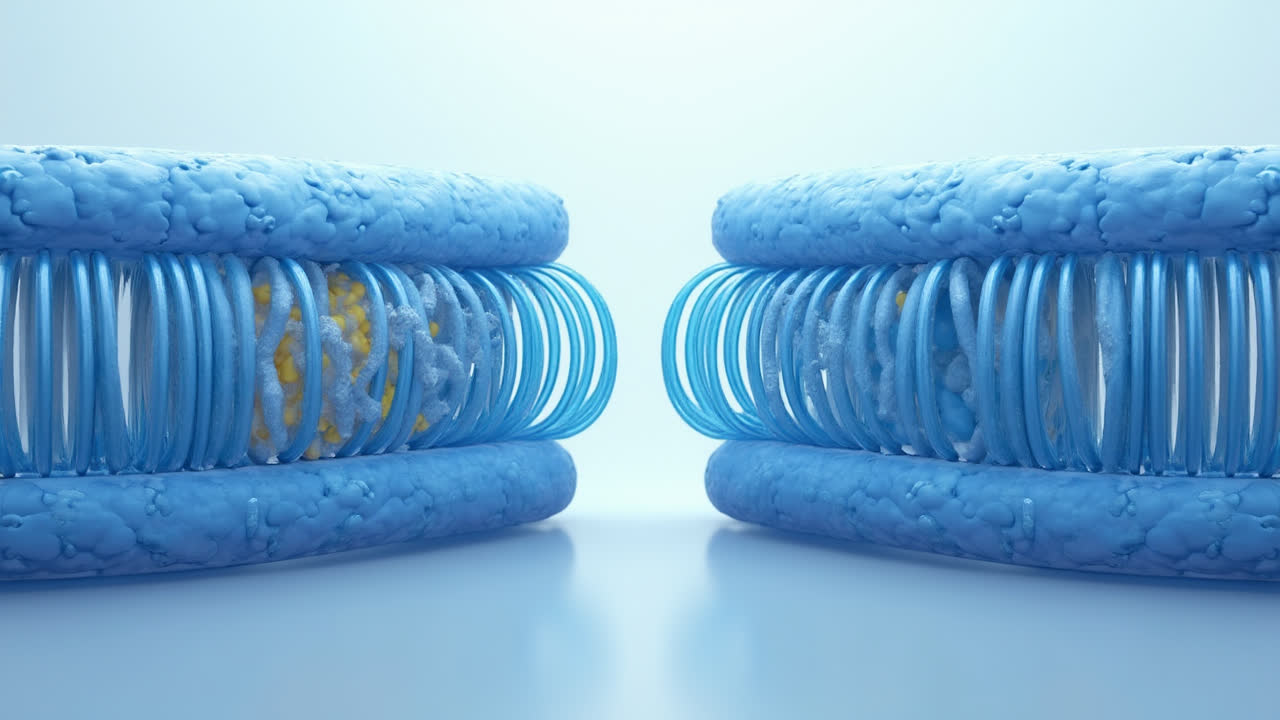
Porins are specialized transport proteins that create barrel-shaped channels across biological membranes. Found in a diverse range of organisms, these proteins occur naturally in fungal, plant, and mammalian cells, as well as in bacteria. They're particularly abundant in the outer membrane of Gram-negative bacteria and some Gram-positive bacteria, where they play critical roles in cellular survival.
What makes these proteins so interesting? Their most distinctive feature is their ability to facilitate passive diffusion of molecules through membranes. Picture them as tiny tunnels running through the otherwise impermeable cell barrier – creating water-filled passages that extend from the exterior environment right into the periplasm (the space between the inner and outer membranes in some bacteria).
Structurally speaking, porins display remarkable diversity. While many exist as monomers (single protein units), others function as dimers (pairs) or even octamers (groups of eight). This structural variety allows them to transport a wide range of hydrophilic molecules with different sizes and charges. Think of them as cellular doorways with varying widths and specifications – some allowing only specific guests to enter, while others permit a broader range of visitors.
The primary function of porins goes beyond simple transport. They serve as essential channels for nutrients and substrates to enter the cell, ensuring the organism receives necessary resources. Simultaneously, they provide exit routes for toxins and cellular waste products, preventing harmful accumulation inside the cell. This two-way traffic system maintains cellular homeostasis and proves crucial for survival in diverse environments.
Understanding Aquaporins: Nature's Water Channels
Aquaporins represent a specialized subfamily of porins with a very specific job description – they're the dedicated water transporters of the cellular world. These large integral membrane proteins differ from general porins in both structure and function, featuring distinctive alpha-helical domains that create highly selective water channels.
Unlike their more generalist porin cousins, aquaporins focus almost exclusively on facilitating the movement of water molecules across cell membranes. This transport typically occurs through either simple diffusion or osmosis, always following the concentration gradient from areas of high water concentration to low water concentration.
Have you ever considered why cells need specialized water channels? The answer lies in efficiency. Water molecules, despite their small size, possess polarity that makes simple diffusion through lipid bilayers surprisingly slow. Aquaporins solve this problem by creating dedicated pathways that dramatically speed up water transport – sometimes increasing permeability by up to 100 times!
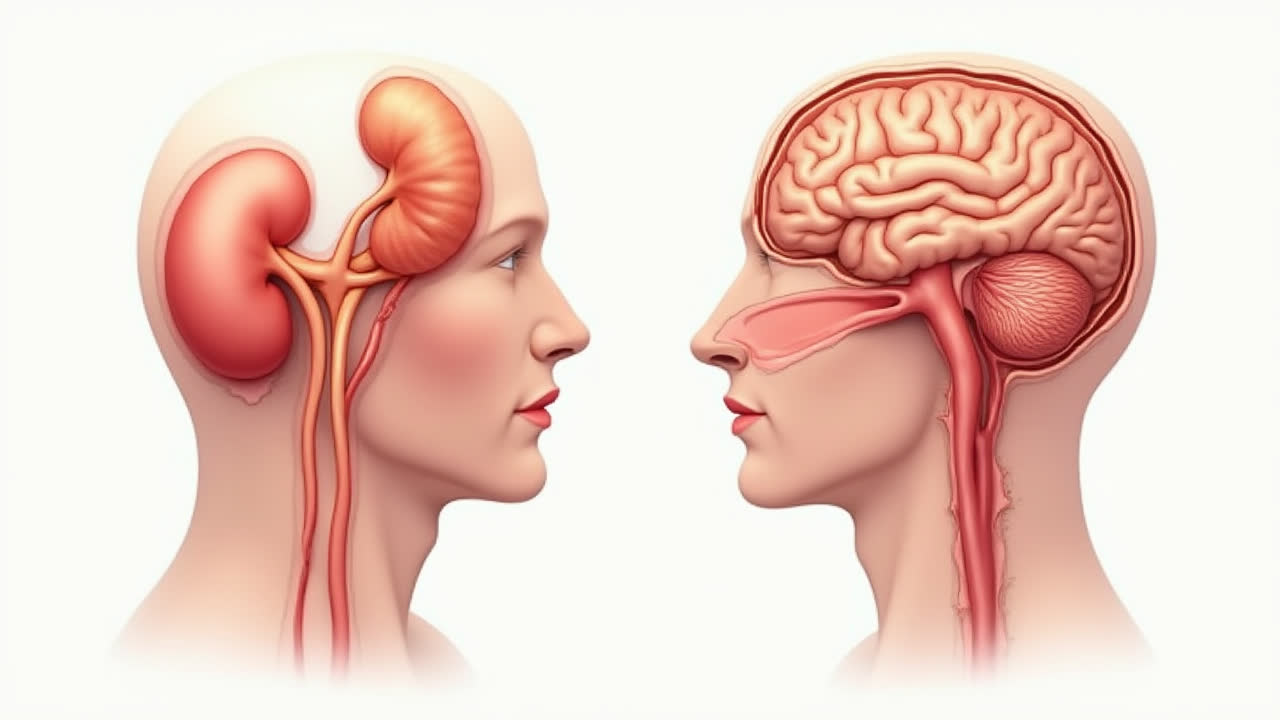
Structurally, aquaporins typically form as tetramers (groups of four), with each monomer containing a single water-conducting pore. This tetrameric arrangement creates a robust channel system that maintains integrity even under changing cellular conditions. In mammals, aquaporins play crucial roles in multiple physiological processes, including kidney function, salivary gland operation, and maintaining proper brain fluid balance.
Perhaps most remarkably, aquaporins demonstrate exceptional selectivity. Despite readily transporting water molecules, they strictly exclude charged particles – including protons (H+). This remarkable feature helps preserve the electrochemical potential across cell membranes, maintaining the electrical charge difference that powers many cellular processes. When aquaporin function goes awry, serious clinical conditions can result, including kidney dysfunction, brain edema, and vision loss.
Comparing Porins and Aquaporins: Similarities and Differences
While both porins and aquaporins belong to the family of channel proteins, understanding their similarities and differences helps illuminate their specialized roles in cellular function. Let me break down the key comparisons in this comprehensive table:
| Characteristic | Porins | Aquaporins |
|---|---|---|
| Definition | Beta-barrel proteins that cross cellular membranes, creating pores for molecular diffusion | Specialized water channels that form selective pores specifically for water transport |
| Classification | General transport proteins | Specialized subset of transport proteins |
| Molecular Structure | Can exist as monomers, dimers, or octamers | Typically form as tetramers (four units) |
| Structural Composition | Primarily composed of beta sheets | Composed of alpha-helical domains |
| Transport Specificity | Transport various ions and small molecules | Primarily transport water molecules |
| Molecule Selection | Transport molecules of different sizes and charges | Transport molecules with different polarities (especially water) |
| Transport Mechanism | Function through passive diffusion | Operate via simple diffusion or osmosis |
| Physiological Importance | General nutrient intake and waste removal | Water balance, kidney function, vision, brain fluid regulation |
Despite their differences, both proteins share fundamental similarities worth noting. Both porins and aquaporins function as beta-barrel proteins that span cellular membranes. They both create channels that allow molecules to move through otherwise impermeable membrane barriers. Additionally, both rely on passive transport mechanisms rather than energy-consuming active transport, making them efficient components of cellular infrastructure.
Physiological Importance and Clinical Relevance
The significance of porins and aquaporins extends far beyond academic interest – these proteins play critical roles in maintaining health across numerous biological systems. In bacteria, porins facilitate essential nutrient uptake and antibiotic resistance, making them relevant targets for medical research. When bacterial porins undergo mutations, they can prevent antibiotics from entering cells, contributing to the growing global challenge of antimicrobial resistance.
For aquaporins, the clinical implications become even more apparent. These specialized water channels regulate crucial physiological processes throughout the human body. In the kidneys, aquaporins help concentrate urine by reabsorbing water from pre-urine filtrate. When kidney aquaporins malfunction, conditions like diabetes insipidus can develop, causing excessive urination and potentially dangerous dehydration.
Brain function also depends heavily on proper aquaporin operation. These channels help maintain the delicate fluid balance in neural tissues. After traumatic brain injuries or during certain diseases, disruptions to aquaporin function can lead to brain edema (swelling), increasing intracranial pressure and potentially causing permanent damage. Current research explores ways to modulate aquaporin function to treat these conditions.
Vision similarly relies on aquaporins for maintaining proper eye hydration and pressure. Dysfunctional aquaporins contribute to conditions like dry eye syndrome and certain forms of glaucoma. As researchers better understand these relationships, new treatments targeting aquaporin function offer promising therapeutic approaches for previously difficult-to-treat conditions.
Frequently Asked Questions About Porins and Aquaporins
Why can't aquaporins transport ions like other porins?
Aquaporins cannot transport ions due to their highly specialized structure. The protein channel contains a narrow constriction region with positively charged amino acids that repel positively charged ions (like protons/H+). Additionally, the channel's size and shape are precisely configured to accommodate water molecules while excluding larger or charged particles. This selectivity is crucial for maintaining the cell's electrochemical gradient and prevents the disruption of cellular electrical potentials that would occur if ions could freely pass through these channels.
How do bacteria use porins to develop antibiotic resistance?
Bacteria cleverly use porins as part of their defense strategy against antibiotics. When threatened, bacteria can modify their porin expression in several ways: they may reduce the number of porins in their membrane, change the type of porins they produce to variants with narrower channels, or express mutated porins that no longer allow certain antibiotics to pass through. Since many antibiotics must enter bacterial cells through porins to reach their targets, these adaptations effectively prevent the drugs from accessing their intracellular targets. This mechanism contributes significantly to antibiotic resistance, particularly in Gram-negative bacteria that have an outer membrane serving as an additional barrier.
Can aquaporin dysfunction be treated medically?
Yes, aquaporin dysfunction can be treated medically in some cases, though treatments are still evolving. For conditions like nephrogenic diabetes insipidus (caused by kidney aquaporin dysfunction), medications such as thiazide diuretics, amiloride, and indomethacin can help manage symptoms by reducing urine production through alternative pathways. For brain edema related to aquaporin overexpression, researchers are developing aquaporin-4 inhibitors that could reduce swelling after stroke or traumatic injury. Eye conditions related to aquaporin dysfunction may be treated with artificial tears or medications that stimulate natural tear production. As our understanding of aquaporins grows, more targeted therapies are being developed, including small molecule modulators and gene therapy approaches aimed at correcting specific aquaporin defects.
Conclusion: Understanding the Cellular Gatekeepers
Porins and aquaporins represent nature's elegant solution to the challenge of selective molecular transport across cellular barriers. While they share common ancestral origins and fundamental purposes as membrane channels, their specialized structures and functions highlight the remarkable diversity and specificity of biological systems.
Porins serve as general transport channels, allowing various molecules to cross membranes based on size and charge. Their diversity enables cells to regulate the entry of nutrients and the exit of waste products, maintaining essential cellular functions. Aquaporins, meanwhile, have evolved as highly specialized water transporters, creating efficient pathways for this vital molecule while strictly excluding others – even those as small as protons.
From bacterial survival to complex human physiology, these protein channels influence countless biological processes. Their dysfunction contributes to various diseases, from antibiotic resistance to brain edema and kidney disorders. As research continues to unravel their mechanisms and relationships to health and disease, porins and aquaporins offer promising targets for new medical treatments and technologies.
The next time you consider the intricate workings of cells, remember these remarkable molecular doorways – the unsung heroes that control what enters and exits the cellular world, maintaining the delicate balance necessary for life itself.