Primer vs Moisturizer: Essential Differences You Need to Know
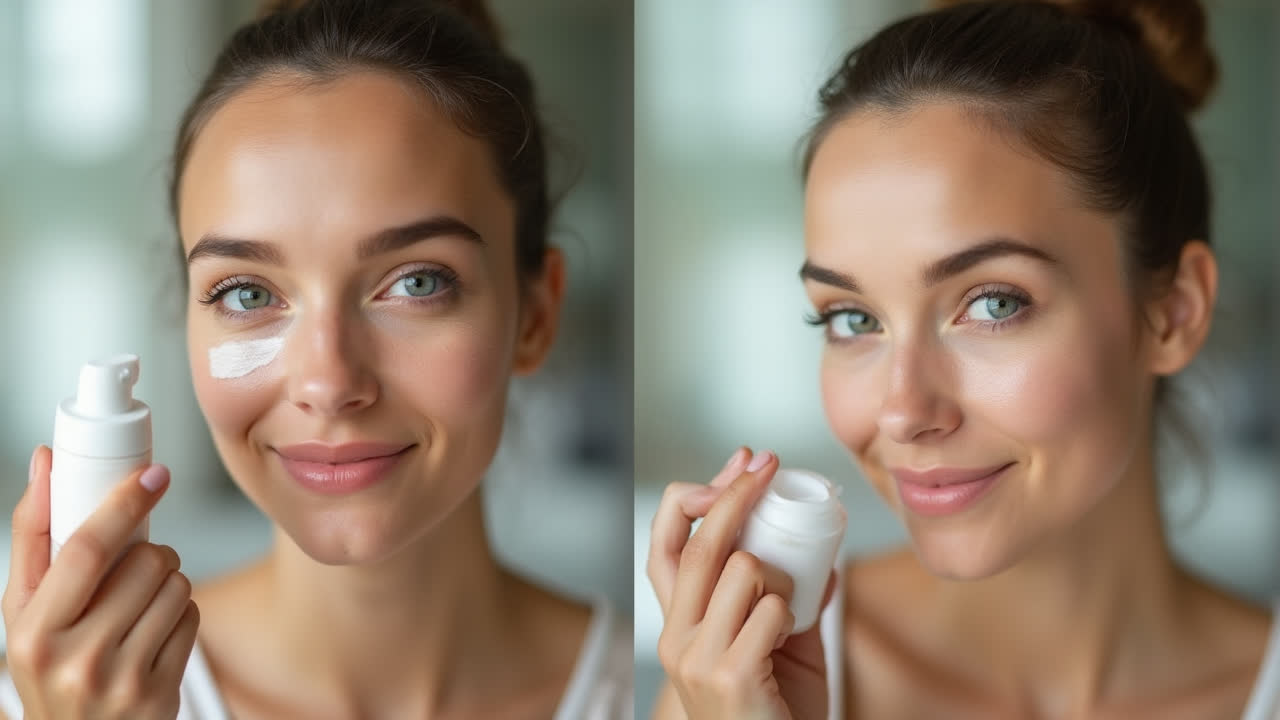
If you've ever stood confused in the beauty aisle wondering about the difference between primer and moisturizer, you're not alone. While both products are essential parts of many beauty routines, they serve distinctly different purposes. Understanding when and how to use each can dramatically improve your skincare and makeup results. Let's dive into what sets these two popular beauty products apart and how they complement each other.
Beauty products can sometimes feel overwhelming with their specialized functions and application techniques. I remember my first attempt at applying primer before understanding its purpose – let's just say my foundation looked more like an oil slick than a flawless finish! After years of trial and error (and plenty of makeup mishaps), I've learned that knowing the fundamental differences between these products makes all the difference in achieving that perfect look.
What Is a Moisturizer?
A moisturizer is primarily a skincare product designed to hydrate and nourish your skin. Think of it as essential nutrition for your face. These products typically come as creams, lotions, ointments, or balms containing emollients that work to keep the surface layers of your skin hydrated and protected. Beyond just providing moisture, they create a protective barrier that seals in essential nutrients and prevents environmental damage.
Modern moisturizers do much more than just hydrate. Depending on the formulation, they might contain anti-aging ingredients, skin-brightening compounds, or elements that firm and heal your skin. The right moisturizer can make your skin look healthier, brighter, and more vibrant – even without makeup. Have you noticed how your skin feels tight and uncomfortable without moisturizer? That's because it plays such a crucial role in maintaining your skin's natural balance.
Choosing the right moisturizer depends heavily on your skin type. For dry skin, rich moisturizers containing shea butter or other intensive hydrators work best. If you have oily skin, lightweight gel moisturizers or oil-free formulations prevent additional shine. Those with combination skin benefit from moisturizers containing glycerin or hyaluronic acid, which provide balanced hydration without overwhelming oilier areas. The key is finding a formulation that addresses your specific needs – something I learned after using the wrong type for years and wondering why my T-zone always looked shiny by noon!
What Is a Primer?
Primer is a makeup product that creates an optimal base for the rest of your makeup application. Applied after skincare but before foundation or other makeup, primers prepare your skin surface by filling in pores, fine lines, and uneven texture. They essentially create a smooth canvas that helps your makeup adhere better and last longer. Most primers have a thick, serum-like consistency and are typically colorless, though tinted versions are available for color correction.
The technology behind primers has evolved significantly in recent years. Modern formulations often include beneficial ingredients like antioxidants (vitamins A, C, and E), green tea extract, grape seed extract, and even SPF protection. Some mineral-based primers contain ingredients like mica and silica that help control shine and create a soft-focus effect. Tinted primers can serve double duty – green primers neutralize redness, while peach-toned varieties brighten dull complexions.
Primers can be applied with fingers or brushes, though many makeup artists recommend using your fingertips. The warmth from your fingers helps melt the product into your skin for better absorption and more even application. I've found that taking the time to let primer fully set before applying foundation makes all the difference – rush this step and you might end up with foundation that pills or doesn't blend smoothly. Can you tell I learned this the hard way?
Key Differences Between Primer and Moisturizer
| Feature | Moisturizer | Primer |
|---|---|---|
| Primary Function | Hydrates and nourishes skin | Creates smooth base for makeup application |
| Product Category | Skincare product | Makeup product |
| Application Order | Applied before primer | Applied after moisturizer |
| Consistency | Varies (cream, lotion, gel, oil) | Usually thick and serum-like |
| Main Benefits | Hydration, protection, nourishment | Smoothing, pore minimizing, makeup longevity |
| Can Be Used Alone | Yes, essential for skin health | Yes, for a no-makeup look with smoother appearance |
| Selection Criteria | Based on skin type (dry, oily, combination) | Based on skin concerns (pores, texture, longevity) |
| Ingredients Focus | Hydrating compounds (humectants, emollients) | Silicones, polymers, or natural smoothing agents |
How to Use Moisturizer and Primer Together
The correct order of application is crucial for getting the best results from both your moisturizer and primer. Always apply moisturizer first, as it needs direct contact with your skin to properly hydrate and nourish. After applying moisturizer, allow it to fully absorb before moving on to primer – this typically takes about 30-60 seconds. Rushing this step can cause your primer to pill or slide around on partially absorbed moisturizer.
When applying moisturizer, use gentle upward motions to avoid dragging the skin downward. A pea-sized amount is usually sufficient for the entire face. For primer, start with a small amount (about the size of a small grape seed) and focus application on areas where makeup tends to fade first – typically the T-zone, around the nose, and on the chin. Both products should be applied to clean, freshly washed skin for maximum effectiveness.
I've discovered that the combination of the right moisturizer and primer can dramatically extend the wear time of my makeup. On days when I've skipped either product, I notice a significant difference by mid-afternoon – my foundation starts breaking up around my nose, and my concealer creases under my eyes. The investment of time in proper skin preparation pays dividends in how long your makeup lasts and how good your skin looks both with and without makeup.
Common Misconceptions About Primers and Moisturizers
One of the biggest misconceptions I hear is that primers and moisturizers are interchangeable. They're not! While some moisturizers may have priming properties and some primers might offer hydration, they're designed for different purposes. Another common myth is that people with oily skin should skip moisturizer. In reality, even oily skin needs hydration – skipping moisturizer can actually cause your skin to produce more oil to compensate.
Many people also believe that primer is only necessary for special occasions or full-coverage makeup looks. The truth is that primer can benefit even minimal makeup routines by evening out skin texture and extending wear time. I've found that even on "no-makeup" days, a light application of primer helps control shine and minimize the appearance of pores.
Finally, there's a misconception that more is better when it comes to both products. Using too much moisturizer can leave your skin feeling greasy and prevent primer from adhering properly. Similarly, applying too much primer can create a heavy, silicone-y feeling and cause makeup to pill. With both products, moderation is key – start with small amounts and build up only if necessary.
Choosing the Right Products for Your Skin
Selecting the appropriate moisturizer and primer combination depends largely on understanding your skin type and concerns. For those with dry skin, look for hydrating primers that complement your rich moisturizer rather than mattifying formulas that might accentuate dry patches. If you have oily skin, gel-based moisturizers paired with oil-controlling primers can help manage shine throughout the day without stripping your skin.
Sensitive skin types should seek out fragrance-free options for both products and consider mineral-based primers that are less likely to cause irritation. Those with mature skin might benefit from moisturizers with anti-aging ingredients paired with illuminating primers that help create a more youthful glow. Don't be afraid to mix and match different brands – there's no rule that says your moisturizer and primer need to come from the same product line.
It's also worth considering how these products interact with seasonal changes. Many people find they need richer moisturizers in winter months and lighter formulations during summer. Similarly, humidity levels might affect which primer works best for you – what controls shine perfectly in dry weather might feel too heavy when humidity rises. Listen to your skin and be willing to adjust your routine as needed.
Frequently Asked Questions
Can I use primer without moisturizer?
While technically you can apply primer directly to clean skin, it's not ideal for most skin types. Moisturizer provides essential hydration that helps protect your skin barrier, while primer is primarily designed to create a smooth canvas for makeup. Without moisturizer, your skin may become dehydrated, and the primer may not apply as smoothly. If you have extremely oily skin, you might occasionally skip moisturizer, but most people benefit from using both products for optimal results.
How long should I wait between applying moisturizer and primer?
The ideal waiting time between moisturizer and primer application is 30-60 seconds. This brief interval allows the moisturizer to be absorbed by your skin but doesn't give it time to fully dry out. If your moisturizer is particularly rich or heavy, you might want to wait closer to 2 minutes. The key is to ensure your moisturizer has absorbed enough that it won't cause your primer to slip around, but not so long that your skin becomes completely dry again.
Can a moisturizer with SPF replace primer?
A moisturizer with SPF cannot fully replace a dedicated primer, though it may provide some priming benefits. While moisturizer with SPF offers sun protection and hydration, it lacks the specialized formulation that helps makeup adhere better and last longer. Some high-end moisturizers may include ingredients that smooth the skin, but they typically don't fill pores or control oil as effectively as primers do. For everyday light makeup, you might be satisfied with just moisturizer and SPF, but for fuller coverage or longer wear, a dedicated primer makes a noticeable difference.