Repetitive DNA vs Satellite DNA: Understanding Key Differences
Introduction to DNA Repetitive Sequences
When exploring the complex world of genomics, we often encounter various types of DNA sequences that serve different functions in our genetic makeup. Among these, repetitive DNA and satellite DNA stand out as fascinating components that contribute significantly to genome structure and function. These sequences, which don't code for proteins, make up a substantial portion of eukaryotic genomes and play crucial roles in chromosome structure, evolution, and genetic analysis.
While working in genomics research, I've always been intrigued by how these seemingly "junk" sequences actually serve important purposes in our DNA. They're like the scaffolding that holds together the building of our genome. The distinction between different types of repetitive sequences isn't just academic—it has practical implications for genetic research, forensic science, and our understanding of evolution.
In this comprehensive guide, we'll explore what makes repetitive DNA different from satellite DNA, examining their structures, locations, functions, and significance in modern genetic analysis. Whether you're a biology student, researcher, or simply curious about genetics, understanding these differences will provide valuable insights into genome organization and function.
What is Repetitive DNA?
Repetitive DNA refers to stretches of DNA sequences that repeat throughout the genome multiple times. These sequences represent a significant portion of non-coding DNA spread across the euchromatin (the less condensed, gene-rich regions of chromosomes). The repetitive unit may range from just a few base pairs to hundreds of base pairs, with an average size of approximately 300 base pairs. In terms of frequency, these units may be repeated anywhere from 10 to 10^5 copies per genome.
Have you ever wondered why our genome contains so many repetitions? I've often thought about how these repeats might be like nature's way of experimenting with genetic material—creating opportunities for evolution through duplication and modification. These repeated sequences serve as a genetic playground where new genes and functions can potentially emerge.
Repetitive DNA is categorized into two main types based on their arrangement in the genome:
- Tandem repeats: In this arrangement, copies of a repetitive sequence unit lie adjacent to each other, forming a continuous block or array. Satellite DNA is a type of tandem repeat.
- Interspersed repeats: These repetitive sequences are dispersed throughout the genome as single units flanked by unique sequences. Transposable elements such as DNA transposons and retrotransposons fall into this category.
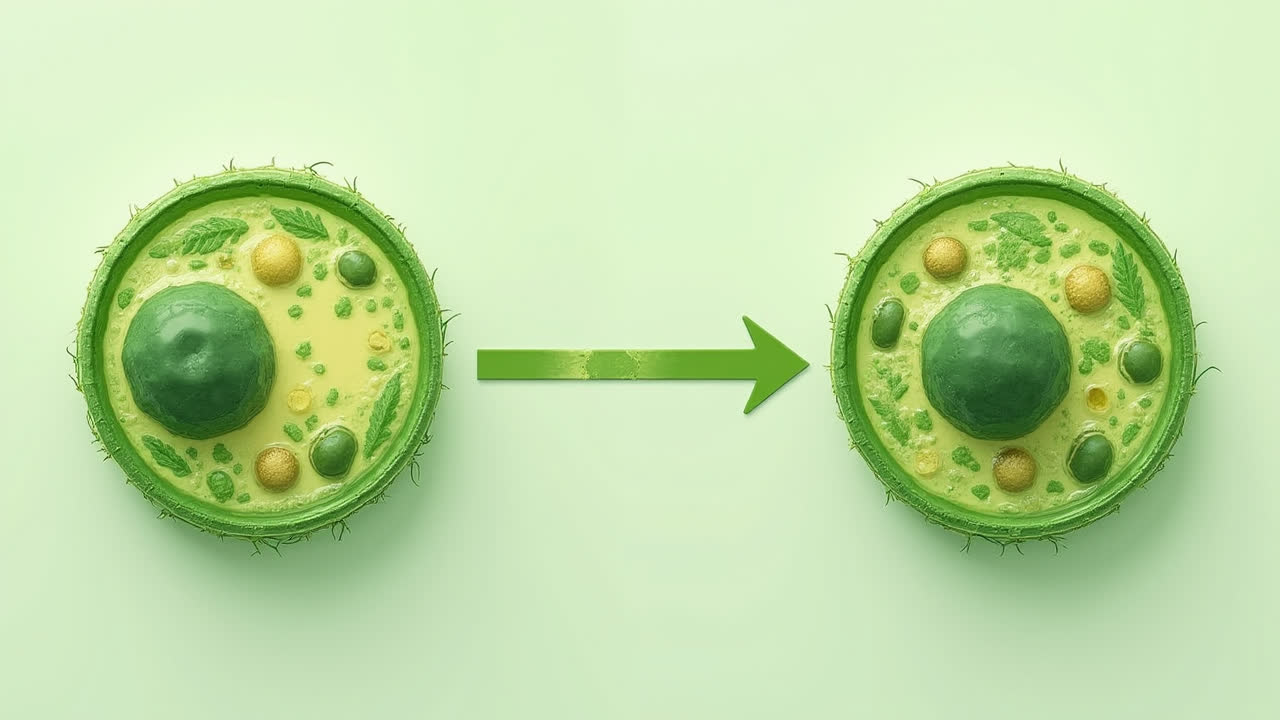
Figure 1: Illustration of tandem repeats where sequence units are arranged consecutively
From an evolutionary perspective, repetitive DNA sequences serve as important tools for genomic flexibility. They act as catalysts for the formation of new genes through duplication events and subsequent diversification. This process has been a driving force in genome evolution, allowing organisms to develop new genetic functions while maintaining essential ones.
What is Satellite DNA?
Satellite DNA consists of highly repetitive, short DNA sequences often located in the centromeric regions of chromosomes. These sequences form the main functional units of the centromere and are major structural constituents of heterochromatin (the densely packed regions of chromosomes). In the human genome, satellite DNA is predominantly found in chromosomes 1, 9, and 16, as well as in the short arms of chromosomes 13-15, 21, and 22.
I remember learning about satellite DNA during my studies and being fascinated by how these seemingly simple repeating patterns could be so important for chromosome stability during cell division. It's like the tiny rivets that hold together a massive structure—small but essential.
Satellite DNA is characterized by short nucleotide sequences, typically around 60 base pairs, that are repeated more than 10^6 times in the genome. This high degree of repetition distinguishes satellite DNA from other types of repetitive sequences. The name "satellite" originates from the observation that when genomic DNA is subjected to density gradient centrifugation, these highly repetitive sequences form a separate band or "satellite" apart from the main band of DNA.
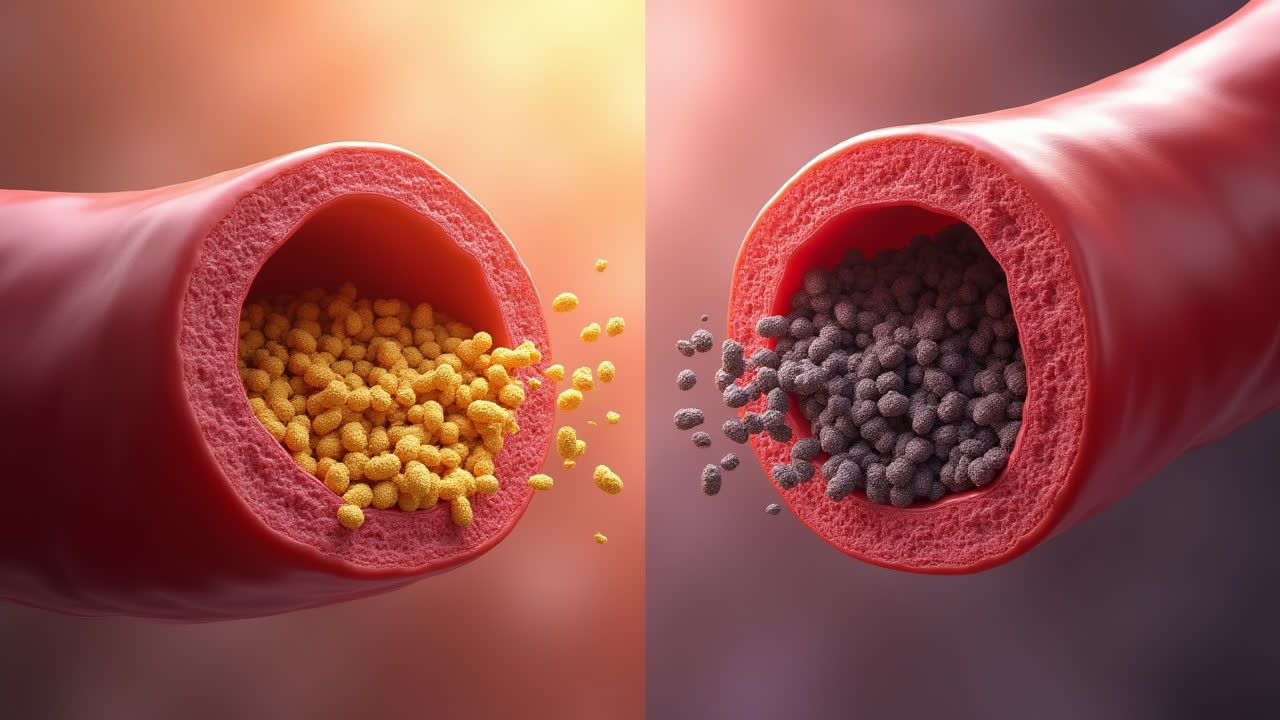
Figure 2: Structure of minisatellite DNA showing repeating units
Satellite DNA is further categorized into two primary types:
- Minisatellites: These consist of repeating units of 10-60 base pairs. They are located in various places throughout the genome, including centromeres.
- Microsatellites: These contain repeating units of less than 10 base pairs and are primarily found in the telomeric regions (the ends of chromosomes).
One of the most practical applications of satellite DNA is in DNA fingerprinting, a technique used in forensic science, paternity testing, and population genetics. The high variability in the number of repeats between individuals makes satellite DNA an excellent marker for identifying genetic relationships and individual identity.
Comparison: Repetitive DNA vs Satellite DNA
While both repetitive DNA and satellite DNA share some common characteristics, they differ significantly in several aspects. Understanding these differences is crucial for appreciating their distinct roles in genome organization and function. Let's break down these differences in a comprehensive comparison:
| Comparison Aspect | Repetitive DNA | Satellite DNA |
|---|---|---|
| Definition | Stretches of DNA that repeat throughout the genome | Short repetitive DNA sequences often found in centromeric regions |
| Types of Repetitive Sequences | Includes both tandem repeats and interspersed repeats | Consists exclusively of tandem repeats |
| Size of Repetitive Unit | Can range from a few base pairs to hundreds of base pairs | Short repeating units up to 60 base pairs long |
| Degree of Repetition | Moderately repetitive (10-10^5 repeats per genome) | Highly repetitive (>10^6 repeats per genome) |
| Genomic Location | Distributed in intergenic regions across the genome | Located on specific chromosomes and near centromeres |
| Subtypes | Tandem repeats and interspersed repeats | Microsatellites and minisatellites |
| Functional Role | Serves as an evolutionary device for forming new genes | Major role in DNA fingerprinting and chromosome structure |
| Appearance in CsCl Density Gradient | Appears as light bands | Appears as small dark bands (satellites) |
Similarities Between Repetitive and Satellite DNA
Despite their differences, repetitive DNA and satellite DNA share several common characteristics that reflect their related nature in the genome. Understanding these similarities helps to contextualize their differences and appreciate their collective importance in genomic structure and function.
Both repetitive DNA and satellite DNA are types of non-coding DNA found in eukaryotic genomes. They represent sequences that do not contain instructions for protein synthesis, yet they constitute a significant portion of the genome. In humans, for example, coding regions account for only about 1-2% of the entire genome, with repetitive sequences making up much of the remainder.
Another key similarity is that both types consist of repeating sequence units, though they differ in the extent and pattern of repetition. This repetitive nature sets them apart from unique sequences that typically contain genes. Both are predominantly located in intergenic regions—the spaces between genes—though satellite DNA has more specific localization patterns.
From a functional perspective, both repetitive DNA and satellite DNA play important roles in maintaining the structural integrity of the genome. They contribute to chromosome stability and organization, particularly during cell division. Additionally, both types can serve as markers for genetic analysis due to their variability between individuals.
Evolutionarily, both types of sequences are subject to similar mechanisms of expansion and contraction through processes like unequal crossing over and replication slippage. These mechanisms contribute to the dynamic nature of repetitive regions in the genome over evolutionary time.
Functional Significance and Applications
Beyond their structural characteristics, repetitive DNA and satellite DNA have distinct functional significance and practical applications in genetics and genomics. These applications extend from basic research to clinical diagnostics and forensic science.
Repetitive DNA, particularly interspersed repeats like transposable elements, has played a significant role in genome evolution. These "jumping genes" can insert themselves throughout the genome, potentially disrupting existing genes or creating new genetic combinations. This process has been a driving force in evolutionary innovation, allowing organisms to develop new traits and adaptations.
Satellite DNA, on the other hand, has been invaluable in genetic identification and relationship testing. The variation in repeat numbers between individuals makes satellite DNA, especially microsatellites, perfect genetic markers for:
- Forensic identification
- Paternity and kinship testing
- Population genetics studies
- Tracking genetic diseases
- Conservation genetics in endangered species
In research settings, both types of repetitive sequences have been used as molecular tools. Researchers can use the unique patterns of these repeats to track genetic inheritance, identify species relationships, and study genome organization. For instance, when I worked on population genetics projects, we frequently used microsatellite markers to assess genetic diversity within endangered species populations.
In clinical contexts, changes in repetitive DNA sequences, particularly microsatellites, have been linked to certain genetic disorders. Trinucleotide repeat expansions, for example, are associated with conditions like Huntington's disease and fragile X syndrome. Understanding these repetitive sequences has been crucial for developing diagnostic tests for these disorders.
Frequently Asked Questions
Why is satellite DNA called "satellite"?
Satellite DNA got its name from its behavior during density gradient centrifugation experiments. When genomic DNA is centrifuged in cesium chloride (CsCl), the highly repetitive satellite DNA sequences form distinct bands that separate from the main band of DNA, appearing as "satellite" bands. This separation occurs because the base composition of satellite DNA often differs from the rest of the genome, giving it a different density. The visual appearance of these separate bands in laboratory experiments led scientists to name these sequences "satellite DNA." This nomenclature predates our current understanding of their genomic organization and function.
How do repetitive DNA sequences contribute to evolution?
Repetitive DNA sequences serve as important catalysts for evolution through several mechanisms. First, they can act as sites for unequal crossing over during meiosis, which can lead to duplications or deletions of genetic material. These changes can create new gene variants or entirely new genes. Second, transposable elements (a type of interspersed repeat) can move throughout the genome, potentially altering gene expression or function when they insert near or within genes. Third, repetitive sequences can serve as "nurseries" for new genes through duplication and subsequent diversification. Finally, some repetitive elements can influence chromosome structure and behavior during cell division, potentially affecting how genetic material is distributed to daughter cells. All these mechanisms introduce genetic variation, which is the raw material for natural selection and evolutionary change.
Can changes in repetitive DNA cause diseases?
Yes, changes in repetitive DNA sequences can indeed cause or contribute to various diseases. The most well-known examples are trinucleotide repeat expansion disorders, where specific three-nucleotide sequences (like CAG, CTG, or CGG) expand beyond their normal range. Huntington's disease is caused by excessive CAG repeats in the HTT gene, while fragile X syndrome results from expanded CGG repeats in the FMR1 gene. Other examples include myotonic dystrophy (CTG repeats) and Friedrich's ataxia (GAA repeats). Additionally, certain microsatellite instability patterns are associated with some forms of cancer, particularly colorectal cancer in Lynch syndrome. Changes in satellite DNA regions can also disrupt chromosome structure and function, potentially leading to genomic instability that contributes to cancer development. Research continues to uncover new associations between repetitive DNA variations and human disease.
Conclusion
The study of repetitive DNA and satellite DNA offers fascinating insights into genome organization, evolution, and function. While both represent non-coding, repetitive sequences in the genome, they differ significantly in their structure, distribution, degree of repetition, and functional roles.
Repetitive DNA encompasses a broader category that includes both tandem and interspersed repeats, with moderate levels of repetition throughout the genome. It serves primarily as a substrate for evolutionary innovation and genomic plasticity. Satellite DNA, a specific type of tandem repeat, features highly repetitive short sequences concentrated in centromeric regions and specific chromosomes, with crucial roles in chromosome structure and identity.
As genomic research advances, our understanding of these "non-coding" sequences continues to evolve. What was once dismissed as "junk DNA" is now recognized as an integral part of genome function and evolution. The distinctions between different types of repetitive sequences help us understand how genomes are organized, how they function, and how they change over time.
For researchers, students, and enthusiasts alike, appreciating the differences and similarities between repetitive DNA and satellite DNA provides a more complete picture of the complex and fascinating world of genomics—a world where even the most repetitive sequences have stories to tell and functions to perform.