Telemedicine vs Telehealth: Understanding the Key Differences
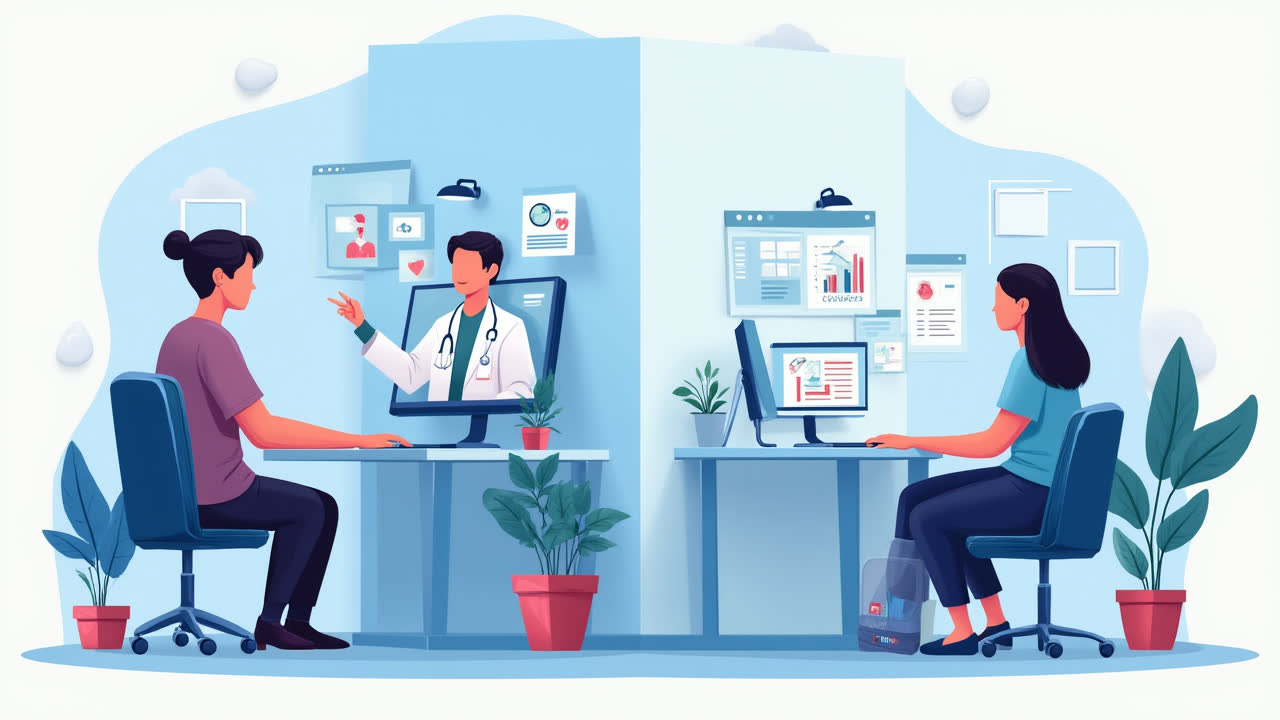
The digital revolution has dramatically transformed how healthcare is delivered in recent years. Among the most significant innovations are telemedicine and telehealth, two terms that are often used interchangeably but actually represent different concepts. As someone who's navigated both systems during the pandemic (and learned the hard way about their differences!), I've come to appreciate how these technologies are making healthcare more accessible than ever before.
So what exactly sets these two terms apart? The main difference lies in their scope: telemedicine specifically refers to remote clinical services, while telehealth encompasses a broader range of remote healthcare services, including non-clinical ones. It's a bit like comparing a chapter to the entire book – telemedicine is actually a subset of the larger telehealth universe.
What is Telemedicine?
Telemedicine refers to the practice of healthcare professionals using technology to diagnose and treat patients remotely. The World Health Organization aptly describes it as "healing from a distance." Through video calls, phone consultations, and secure messaging platforms, doctors can provide clinical care without patients needing to physically visit a medical facility.
I remember my first telemedicine appointment during the height of the pandemic – I was skeptical about discussing my sinus infection over video chat. How could my doctor possibly diagnose me without examining me in person? To my surprise, the experience was remarkably effective. My doctor asked targeted questions, had me describe symptoms, and even guided me through basic self-examination techniques. Within 15 minutes, I had a prescription sent to my local pharmacy without ever leaving my home.
Telemedicine typically falls into three main categories: interactive medicine, store-and-forward, and remote patient monitoring. Interactive medicine enables real-time communication between patients and providers while maintaining HIPAA compliance. Store-and-forward involves the secure sharing of patient information with specialists in different locations. Remote patient monitoring allows healthcare providers to track patients' vital signs and other health data through mobile medical devices that collect and transmit information from the patient's home.
The applications of telemedicine are rapidly expanding beyond simple consultations. Today, telemedicine facilitates specialist consultations, post-surgery follow-ups, medication management, chronic disease management, and even some forms of physical and occupational therapy. During the COVID-19 pandemic, telemedicine became indispensable, allowing continuity of care while minimizing exposure risks.
What is Telehealth?
Telehealth represents a much broader concept than telemedicine, encompassing all remote healthcare services including both clinical and non-clinical applications. According to the World Health Organization, telehealth includes "surveillance, health promotion and public health functions" in addition to clinical care. If telemedicine is about treatment, telehealth is about the entire healthcare ecosystem.
My own experience with telehealth extends beyond doctor visits. Last year, I participated in an online diabetes prevention program that included educational webinars, virtual coaching sessions, and access to an app for tracking my diet and exercise. None of these interactions involved clinical diagnosis or treatment, yet they were all part of the telehealth paradigm aimed at improving health outcomes.
Telehealth encompasses a wide range of activities that support healthcare delivery and health management. These include administrative meetings between healthcare providers, continuing medical education for healthcare professionals, online portals where patients can access their test results and schedule appointments, apps that help patients manage their conditions, online ordering of medical supplies, digital reminders for vaccinations and preventive care, and public health announcements distributed through electronic channels.
What makes telehealth particularly powerful is its ability to address healthcare challenges beyond direct treatment. It helps overcome geographical barriers to healthcare access, reduces travel time and costs for patients, minimizes exposure to contagious illnesses in waiting rooms, increases engagement in preventive care, and empowers patients to take a more active role in managing their health. Haven't we all appreciated not sitting in a crowded waiting room full of other sick people?
Telemedicine vs Telehealth: Detailed Comparison
While the terms telemedicine and telehealth are frequently used interchangeably in casual conversation, understanding their distinct characteristics is essential for healthcare providers, policymakers, and patients navigating the modern healthcare landscape. Let's break down their key differences and similarities:
| Feature | Telemedicine | Telehealth |
|---|---|---|
| Definition | Use of technology to deliver remote clinical services | Use of technology to provide a wider range of remote healthcare services and health management |
| Scope | Limited to clinical services | Encompasses both clinical and non-clinical services |
| Primary Focus | Diagnosis and treatment | Overall healthcare ecosystem including prevention, education, and administration |
| Key Activities | Virtual consultations, remote diagnoses, prescription management | Patient education, health tracking apps, administrative meetings, provider training |
| Technologies Used | Video conferencing, secure messaging, remote monitoring devices | All telemedicine technologies plus apps, online portals, educational platforms |
| Healthcare Providers Involved | Primarily physicians and clinical staff | Physicians, nurses, health educators, administrators, technicians |
| Relationship | Subset of telehealth | Broader category that includes telemedicine |
| Examples | Virtual doctor visit, remote radiology reading, telepsychiatry | Health apps, online health education, electronic health records access, virtual fitness coaching |
Benefits and Limitations of Telemedicine and Telehealth
Both telemedicine and telehealth offer remarkable benefits but also come with certain limitations that are important to understand. Despite my initial skepticism, I've become a convert to these digital approaches for many health concerns – though I still value in-person care for certain situations.
Benefits of Both Systems
- Improved Access to Care: Perhaps the most significant advantage is bringing healthcare to underserved and rural areas where access to specialists or even primary care may be limited.
- Convenience: Eliminating travel time and waiting room delays makes healthcare more convenient for patients with busy schedules or mobility issues.
- Cost Efficiency: Both patients and healthcare systems can realize cost savings through reduced overhead, fewer emergency room visits, and less time away from work.
- Continuity of Care: More frequent check-ins become practical, allowing for better management of chronic conditions and recovery monitoring.
Limitations to Consider
- Technology Barriers: Not everyone has access to reliable internet or smart devices, creating potential healthcare disparities.
- Physical Examination Constraints: Some conditions require hands-on examination that can't be replicated virtually.
- Insurance Coverage Variability: Reimbursement policies for telehealth and telemedicine services vary widely among insurance providers and states.
- Privacy Concerns: While platforms are becoming more secure, data privacy remains a concern for many patients.
I've personally experienced the frustration of trying to explain a skin condition over video, only to finally give up and go to an in-person appointment. Some things just don't translate well through a screen! That said, for routine follow-ups and medication management, I now prefer the virtual option.
Healthcare providers must carefully evaluate when telemedicine is appropriate and when traditional in-person care is necessary. As technologies advance and regulatory frameworks evolve, many of these limitations may be addressed, further expanding the potential of both telemedicine and telehealth.
The Future of Telemedicine and Telehealth
What does the future hold for these digital healthcare approaches? The trajectory points toward continued growth and innovation, with several exciting developments on the horizon. We're only beginning to scratch the surface of what's possible with remote healthcare delivery.
Integration of artificial intelligence and machine learning algorithms is likely to enhance diagnostic capabilities, making remote assessments more accurate and comprehensive. Imagine AI systems that can detect subtle changes in a patient's speech patterns or facial expressions during a video consultation, potentially identifying concerns that might otherwise be missed.
Wearable technology is becoming increasingly sophisticated, allowing for continuous monitoring of vital signs and other health metrics. These devices will likely become more integrated with telehealth platforms, providing healthcare providers with richer data for making treatment decisions. I've already seen this with my relative's cardiac monitoring device that transmits data directly to his cardiologist, alerting the office to any concerning patterns without requiring an office visit.
Despite the tremendous potential, several challenges remain. Ensuring equitable access to telehealth services across socioeconomic divides is critical. Regulatory frameworks must continue to evolve to address interstate licensing issues, reimbursement policies, and data security standards. And the healthcare industry itself must navigate the balance between virtual and in-person care, recognizing the unique value of each approach.
Will we ever reach a point where most healthcare is delivered virtually? Probably not – and that's actually a good thing. The human connection in healthcare remains invaluable. Rather than replacing traditional care models, telemedicine and telehealth are expanding and complementing them, creating a more flexible and responsive healthcare ecosystem that serves patients better.
Frequently Asked Questions
Is telemedicine covered by insurance?
Insurance coverage for telemedicine varies widely depending on your insurance provider, state regulations, and specific plan. Since the COVID-19 pandemic, many insurance companies have expanded their coverage of telemedicine services, but policies continue to evolve. Medicare has significantly broadened its coverage of telemedicine, especially for rural areas. To determine if your telemedicine visit will be covered, contact your insurance provider before scheduling an appointment and ask specifically about coverage for virtual visits. Some telemedicine platforms also offer transparent pricing for those paying out-of-pocket.
What conditions can be effectively treated through telemedicine?
Telemedicine is suitable for a surprising range of conditions, particularly those that don't require physical examination with specialized equipment. Common conditions appropriate for telemedicine include colds, flu, allergies, rashes, minor infections, headaches, digestive issues, mental health concerns (like anxiety and depression), and follow-up care for chronic conditions like diabetes, hypertension, and asthma. Prescription renewals, lab result reviews, and post-surgical check-ins are also well-suited for virtual visits. However, emergency situations, conditions requiring hands-on examination (like abdominal pain that might indicate appendicitis), or those needing diagnostic procedures should be handled in person. Always ask your healthcare provider if your specific condition is appropriate for telemedicine.
How do I prepare for a successful telehealth appointment?
To get the most from your telehealth appointment, preparation is key. First, test your technology before the appointment—make sure your device, camera, microphone, and internet connection are working properly. Find a quiet, private space with good lighting so your provider can see you clearly. Have a list of your current medications, symptoms, and questions ready. If possible, gather relevant health data like your temperature, weight, blood pressure, or blood sugar readings if you have home monitoring devices. Wear accessible clothing if you'll need to show the provider a part of your body (like a rash). Log in 5-10 minutes early in case you encounter technical issues. Finally, take notes during your appointment or ask if you can record the session for future reference. Being prepared helps ensure you get the same quality of care you would during an in-person visit.
Conclusion
The distinction between telemedicine and telehealth, while subtle, represents an important conceptual difference in how we approach healthcare delivery in the digital age. Telemedicine focuses specifically on clinical services provided remotely, serving as a powerful tool for direct patient care across distances. Telehealth, as the broader umbrella term, encompasses not just clinical services but the entire ecosystem of remote healthcare delivery, including education, administration, and public health initiatives.
As we move forward, both approaches will continue to reshape the healthcare landscape, breaking down geographical barriers, improving efficiency, and potentially addressing some of the persistent challenges in healthcare access and delivery. The ideal future isn't one where traditional healthcare is replaced, but rather one where in-person and virtual care options are seamlessly integrated, allowing patients and providers to choose the most appropriate modality for each healthcare need.
Have you experienced either telemedicine or telehealth services? The landscape is evolving rapidly, and each patient's experience helps shape how these systems develop. Whether you're a healthcare provider adapting to these new modalities or a patient navigating your care options, understanding the distinction between telemedicine and telehealth provides a foundation for making informed healthcare decisions in our increasingly connected world.