Yorkie vs Silky Terrier: 8 Key Differences Before You Choose
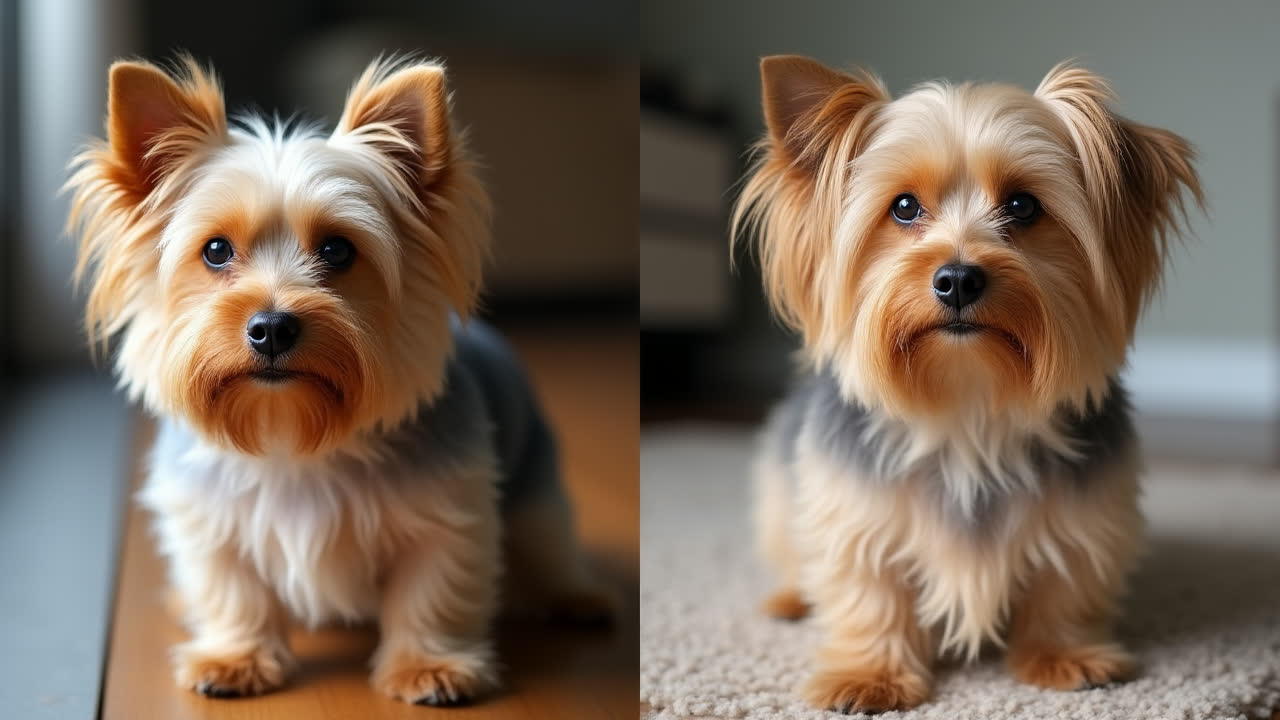
When it comes to small, adorable terriers, the Yorkshire Terrier and Silky Terrier often cause confusion due to their similar appearances. However, these distinct terrier breeds have unique characteristics that set them apart. If you're trying to decide between a Yorkie and a Silky Terrier as your next furry companion, understanding their differences is crucial for making the right choice for your lifestyle and preferences.
Terriers were originally bred in the United Kingdom to hunt vermin, keeping farms, homes, and shops free of rats and other pests. Today, these intelligent and energetic dogs have become beloved family pets worldwide. While they share common terrier traits like playfulness and intelligence, the Yorkie and Silky Terrier each bring their own unique qualities to the table.
Have you ever wondered why these similar-looking dogs are classified as different breeds? I certainly did before diving into research on these charming little companions! In this comprehensive comparison, we'll explore everything from their origins and physical attributes to temperament and care requirements, helping you determine which of these delightful terriers might be your perfect match.
Origins and History: Different Continents, Different Stories
The geographical origins of these breeds represent one of their most fundamental differences. The Yorkshire Terrier was developed in the mid-19th century in Yorkshire, England. Working-class people, particularly miners and mill workers, created this breed by crossing various terriers brought from Scotland. These small dogs were prized for their ability to catch rats in mills and mines where larger dogs couldn't navigate the tight spaces.
I've always found it fascinating how the Yorkie's development reflects England's industrial revolution – these tiny hunters were practical solutions to real workplace problems! Over time, their charm and distinctive appearance caught the attention of Victorian ladies, and the breed transitioned from working dog to fashionable companion.
In contrast, the Silky Terrier (also known as the Australian Silky Terrier) was developed in Australia in the early 20th century. Australian breeders crossed Yorkshire Terriers with Australian Terriers to create a dog that retained the Yorkie's silky coat while having a slightly more robust build suited to the Australian environment. The result was a terrier that excelled both as a companion and as a capable hunter of snakes and other small vermin.
This difference in development environments – England's urban industrial settings versus Australia's more rugged conditions – contributed significantly to the subtle differences we see between these breeds today. The Silky was officially recognized as a separate breed from the Yorkshire Terrier in Australia in 1926, then later in the United States and other countries.
Size and Physical Appearance: Similar Yet Distinct
At first glance, Yorkies and Silky Terriers may look quite similar to the untrained eye. Both have elegant silky coats and alert expressions that capture hearts instantly. However, there are notable differences in their size and physical characteristics that help distinguish between these two breeds.
Yorkshire Terriers are the smaller of the two breeds, typically standing about 8-9 inches tall at the shoulder and weighing between 4-7 pounds when fully grown. Their compact size makes them one of the smallest terrier breeds and perfect for apartment living. Yorkies have fine, straight, and silky hair that grows continuously (similar to human hair rather than typical dog fur) and requires regular trimming unless kept long for show purposes.
I remember being surprised when I first learned that the classic Yorkie coat colors are quite specific – they typically have a steel blue back extending from the back of the neck to the tail, with tan coloring on the face, chest, and legs. This distinctive color pattern is one of their trademark features and part of the breed standard.
Silky Terriers are noticeably larger, standing about 9-10 inches tall and weighing between 8-11 pounds. While this difference might seem small on paper, it's quite noticeable when you see the breeds side by side. The Silky Terrier has a more substantial bone structure and a slightly longer body proportion relative to height.
Regarding coat colors, Silky Terriers offer more variety. While they can have the blue and tan pattern similar to Yorkies, they may also come in black and tan, blue, silver, or gray. Their coat is similarly silky and straight but tends to be shorter and easier to maintain than the traditional long Yorkie coat seen in show dogs.
Yorkie vs Silky Terrier: Side-by-Side Comparison
| Characteristic | Yorkshire Terrier (Yorkie) | Silky Terrier |
|---|---|---|
| Origin | Yorkshire, England | Australia |
| Height | 8-9 inches | 9-10 inches |
| Weight | 4-7 pounds | 8-11 pounds |
| Coat Colors | Steel blue and tan | Black, black and tan, blue, silver, gray |
| Grooming Needs | High maintenance | Moderate maintenance |
| Barking Tendency | Frequent | Occasional |
| Litter Size | 1-5 puppies | 3-5 puppies |
| Adaptability | Very high | High |
Temperament and Personality: Small Dogs with Big Attitudes
Both breeds share classic terrier traits: they're energetic, intelligent, and possess a confidence that often seems disproportionate to their small size! However, subtle temperament differences can help you decide which might be a better fit for your household.
Yorkshire Terriers are known for their spirited, sometimes feisty personality. Despite their diminutive size, they often act like they're much larger dogs and won't hesitate to stand their ground. This bold attitude is charming but can occasionally lead to them challenging much larger dogs – something owners need to manage carefully. Yorkies tend to be more vocal than many other breeds, making them excellent watchdogs who will alert you to any unusual activity.
Something I've noticed with the Yorkies I've known is their tendency to form very strong bonds with one person, though they can certainly be affectionate with the entire family. They often have a bit of a diva personality – they know they're adorable and aren't afraid to use it to their advantage! This confidence combined with their intelligence makes them highly trainable, though they can occasionally exhibit a stubborn streak.
Silky Terriers share many of these traits but are generally considered slightly more laid-back and adaptable. While still possessing typical terrier alertness and energy, they tend to be less prone to excessive barking compared to Yorkies. Their Australian Terrier heritage gives them a slightly more independent nature, though they remain devoted companions who thrive on human interaction.
Silkies often demonstrate a more consistent temperament across the breed, whereas Yorkie personalities can vary more widely from dog to dog. The Silky Terrier's moderate energy level makes them versatile companions – happy to engage in play and activities but also content to curl up beside you during quiet evenings at home.
Care and Grooming Requirements: Beauty Maintenance
The silky, hair-like coats of both breeds are among their most distinctive features, but they come with significant grooming responsibilities. Understanding the differences in care requirements is essential for prospective owners.
Yorkshire Terriers have particularly high grooming needs, especially if you maintain their coat at show length. Their fine, silky hair grows continuously and can easily become tangled and matted without regular attention. Daily brushing is recommended, along with professional grooming every 4-6 weeks. Many pet owners opt for a shorter "puppy cut" that's much easier to maintain while still preserving the breed's adorable appearance.
When I first met my neighbor's Yorkie, I was amazed at how much time she dedicated to maintaining her dog's beautiful coat! Beyond basic brushing, Yorkies often need regular baths to keep their coat clean and silky, regular ear cleaning to prevent infections in their drop ears, and dental care to address the dental issues common in small breeds. Their minimal shedding makes them potentially suitable for some allergy sufferers, though no dog is truly hypoallergenic.
Silky Terriers require moderate grooming compared to Yorkies. Their coat is somewhat easier to maintain, though still needs regular brushing (about 2-3 times weekly) to prevent tangles. Like Yorkies, many Silky owners opt for shorter cuts that reduce maintenance requirements. Their slightly more robust constitution sometimes translates to fewer health concerns, though they share many of the same small-breed health considerations.
Both breeds benefit from early socialization and consistent training to manage some of their more challenging terrier traits, such as potential stubbornness or excessive barking. Their intelligence makes them quick learners, but their independent streak means they respond best to positive reinforcement methods rather than harsh corrections.
Lifestyle Compatibility: Which Terrier Suits You Best?
Choosing between a Yorkie and a Silky Terrier often comes down to which breed better matches your lifestyle, living situation, and personal preferences. Both make wonderful companions but may thrive in slightly different environments.
Yorkshire Terriers adapt exceptionally well to apartment living due to their tiny size. They need relatively little space to exercise, though they do enjoy short walks and play sessions. Their alert nature and tendency to bark make them excellent watchdogs, but this can be problematic in buildings with noise restrictions. Yorkies often do well with gentle, considerate older children and adults who understand how to handle such small dogs carefully.
I've always been impressed by how versatile Yorkies can be – they're equally at home lounging on a silk pillow or accompanying their owners on adventures in a secure carrier! Their portable size makes them excellent travel companions, though their delicate build means they need protection from rough handling and jumps from furniture that could result in injuries.
Silky Terriers, with their slightly larger size and more robust build, may be a better choice for families with older children who understand proper handling. Their marginally lower grooming requirements make them somewhat easier for busy families or those who prefer not to spend quite as much time on coat maintenance. Silkies also tend to be less vocal than Yorkies, which might make them more suitable for living situations where noise could be an issue.
Both breeds have relatively long lifespans – often 12-15 years or more with proper care – making them long-term companions who will be part of your family for many years. This longevity is an important consideration when choosing any dog breed, particularly for families with young children who will grow up alongside their canine friend.
Frequently Asked Questions About Yorkie and Silky Terriers
Are Yorkies and Silky Terriers good for first-time dog owners?
Both breeds can be suitable for first-time owners who are committed to training and grooming needs. Yorkies may require more patience due to their stubborn streak and higher grooming demands. Silky Terriers are often recommended as slightly easier for novice owners thanks to their more consistent temperament and moderate grooming requirements. First-time owners should be prepared for the training challenges that come with intelligent, sometimes headstrong terrier breeds. Professional training classes can be especially valuable for new dog owners working with these smart, spirited breeds.
Do Yorkshire Terriers and Silky Terriers get along with other pets?
Both breeds can coexist with other pets when properly socialized from an early age. Their terrier instincts may cause them to chase smaller animals like rodents or birds. Silky Terriers sometimes display stronger prey drive due to their Australian Terrier heritage. Early and consistent socialization is key to helping these breeds live harmoniously with cats and other dogs. Remember that their small size means they should be supervised around larger dogs to prevent accidental injuries during play. With proper introduction techniques and ongoing management, many Yorkies and Silkies successfully share homes with various other pets.
How much do Yorkie and Silky Terrier puppies typically cost?
Yorkshire Terrier puppies from reputable breeders typically cost between $800-$3,000, with show-quality dogs commanding higher prices. Silky Terriers are generally more expensive, with prices ranging from $1,000-$4,000 due to their relative rarity compared to the extremely popular Yorkie. These prices reflect puppies from health-tested parents with appropriate documentation. Adoption from rescue organizations is a more affordable option, typically costing $300-$500 in adoption fees. Remember that the initial purchase price is just the beginning – quality food, veterinary care, grooming, and supplies will add to the lifetime cost of owning either breed.
Conclusion: Making Your Choice Between Yorkie and Silky Terrier
Choosing between a Yorkshire Terrier and a Silky Terrier ultimately depends on your specific preferences, lifestyle, and what you're looking for in a canine companion. Both breeds offer the delightful terrier personality in small, adorable packages with relatively long lifespans.
If you prefer a truly tiny companion with a glamorous coat and don't mind the extra grooming commitment, the Yorkshire Terrier might be your perfect match. Their extreme portability, adaptability to apartment living, and bold personality packed into a diminutive frame have made them consistently popular worldwide.
For those seeking a slightly more robust small dog with a touch more independence and potentially fewer grooming demands, the Silky Terrier offers many of the same charming qualities in a marginally larger package. Their lower tendency to bark and slightly more laid-back nature might make them better suited to certain living situations.
Whichever breed you choose, prepare for years of companionship with an intelligent, spirited little dog who will bring energy, affection, and no small amount of terrier attitude into your life. Both breeds reward dedicated owners with unwavering loyalty and the special joy that comes from sharing your life with these captivating small terriers.